
Drip Irrigation Installation: 8 Things to Know Before You Start
Jun 15th 2026
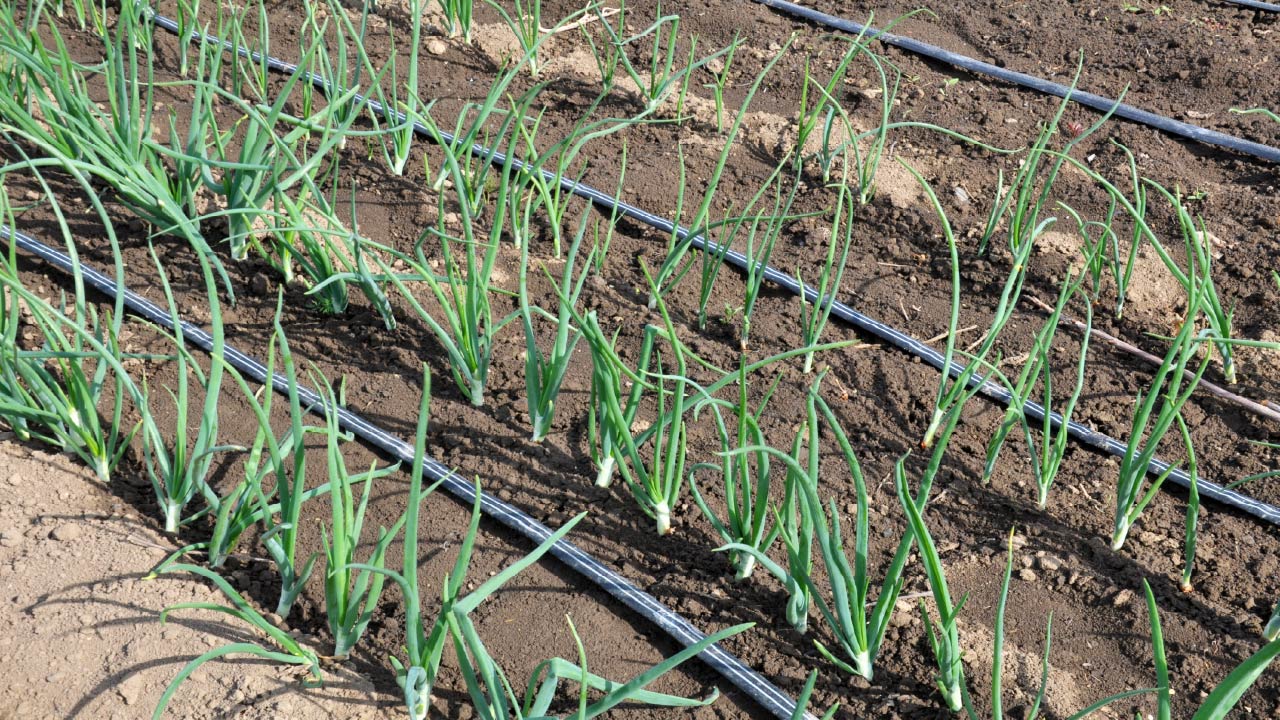
Drip irrigation or micro irrigation, is the most water-efficient way to irrigate gardens, raised beds, vegetable plots, orchards, greenhouses, and landscape plants. This focused irrigation method uses a network of tubing to deliver a low-flow, low-pressure water supply to plants' roots. Water is applied much more slowly than with traditional sprinkler irrigation. Therefore, drip irrigation exceeds 70 percent efficiency, whereas sprinkler systems are 50-70% efficient. Drip irrigation uses water so efficiently that many water utilities exempt landscapes irrigated with drip irrigation from certain drought restrictions. So, it's no surprise that more homeowners and growers across the country are switching to drip systems.
However, a highly efficient drip system installation requires proper planning. Before you purchase tubing, fittings, and emitters, there are several important factors you should understand. You must take the time to plan your system correctly, which will save you money, reduce maintenance, and help your garden thrive for years.
Here are 8 important things every gardener and landscaper should know before designing and installing a flawless, professional-grade drip irrigation system.
1. Assess Your Garden Water Requirements and Make a Layout
All plant types do not need the same amount of water. Assess which plants in your garden need watering so you can choose the right system layout. Different plants need different amounts of water, so it's important to plan your irrigation setup accordingly.
One of the biggest mistakes gardeners make is treating every part of the garden as if it has the same watering needs. Vegetables, herbs, flowers, shrubs, fruit trees, succulents, and native plants all require different amounts of moisture. For example:
- Tomatoes are water-lovers. They need regular watering throughout the season.
- Fruits require deep watering but less frequently.
- Leafy vegetables also need more regular moisture.
- Succulents thrive in dry conditions.
After evaluation, draw a garden map that includes all raised beds, vegetable rows, trees, shrubs, and walkways. Measure everything carefully so you can accurately calculate the length of mainline tubing, number of emitters, fittings, and stakes. Good planning also helps identify potential obstacles in the irrigation system layout, such as patios, fences, retaining walls, and pathways.
2. Know Your Water Pressure
Most home water systems or outdoor faucets may deliver water at a pressure of 70 to 80 Pounds per Square Inch (PSI). This is perfect for running a heavy-duty lawn sprinkler, washing your car, or other household tasks, but it is too high for a drip irrigation system.
Drip components are designed to work efficiently at a low pressure between 15 and 25 PSI. If you expose poly drip tubing, drip tape, or emitters to excessive household pressure, your fittings can separate, your tubing can burst, your emitters can be damaged, and your garden will flood. Conversely, if the water pressure drops too low, only the first few emitters will release enough water, leaving the plants at the far end of your garden bed completely dry.
Before installing the drip system, test the pressure at your outdoor faucet with a simple pressure gauge. To prevent pressure problems, you must install a pressure regulator right at the water source. A pressure regulator is one of the most important drip components because it protects the entire system and ensures consistent performance.
3. Choose the Right Drip Watering Product for the Right Plant
A drip irrigation system does not include just one type of tubing instead, it's an entire system of specialized tubing and emitters. Choosing the wrong water distribution product for your specific garden layout results in wasted water and uneven plant growth. You need to match the watering device to the planting style.
Drip Tape
It is the best choice for watering long, straight rows of vegetables in gardens, raised beds, or on farms. Drip tape is a thin-walled tubing that lies completely flat when empty. It operates at very low pressure (10-15 PSI) and has pre-spaced emitters every 6 to 12 inches.
1/2" In-line Drip Emitter Tubing
Emitter tubing is ideal for raised bed plants, on long or short rows, in loops around trees, in perennial borders, on flat or hilly terrains, and in flower beds. This is heavy-duty, thick-walled poly tubing with pre-installed pressure-compensating emitters at regular intervals (9-, 12-, 18-, 24-, or 36-inch spacing) inside the tubing itself. It is highly durable and can be looped through a bed for years.
Spot Spitters and C-Frame Down Sprayers
These drip watering tools are best for large nursery pots, fruit trees, raised beds, and delicate flower gardens. You can easily pair these sprayers with 1/4" micro tubing and rigid stakes for a highly efficient irrigation setup. Rather than dripping a single spot, these spray water downward in a precise, tight pattern to thoroughly wet the entire root zone without leaving a dry area in the soil.
4. Choose the Right Emitters on Slopes
Emitters are the key component of any drip irrigation system. These small devices control how much water each plant receives. Choosing the wrong emitter can result in poor watering efficiency. If your garden is completely flat, you can use basic, non-pressure-compensating emitters. However, if your landscape has any slope, hills, or long runs over 100 feet, you must choose pressure-compensating (PC) Emitters and understand the difference between PC and non-PC emitters.
Non-PC Emitters: These have flow rates of 15-20 PSI, meaning you will have a lower flow at lower pressure and a higher flow at slightly higher pressure. These non-pressure-compensating emitters work better at very low pressure. They are not suitable for use in sloped areas because water naturally flows downhill, causing pressure to build up at the lowest point of your system. As a result, the plants at the bottom of a hill will drown in mud, while the plants at the top of the hill will get less or no water.
Pressure-Compensating (PC) Emitters: PC emitters deliver a precise amount of water every time. These contain a tiny, flexible internal silicone diaphragm. When water pressure increases, the diaphragm ensures the emitter releases the exact same amount of water regardless of pressure changes.
5. Drip Irrigation Requires Filtration
Many growers overlook the importance of water filtration. Drip emitters have very small openings that can be clogged by a single grain of sand, rust particles, sediment, mineral deposits, or algae.
If you are on city water, you might think your water is clean enough to skip filtration. It isn't. Even municipal water can contain particles that affect drip system performance over time. Therefore, you need to install the best-quality drip irrigation filter above your pressure regulator.
Common filter options for a drip system include screen, disc, and mesh filters. For standard drip systems, use a filter with a 120-150-mesh screen or a 130-micron screen.
6. Automation with Smart Timers Makes Drip Irrigation More Effective
One of the main goals of installing a drip system is to reduce manual labor and transition to a precise, well-managed watering schedule. A manual system requires someone to remember when to turn the water on and off. Forgetting it can cause stressed plants or wasted water. These factors are crucial for giving your plants deep, infrequent watering without delay.
A good-quality timer ensures a consistent watering schedule, provides convenience during vacation, reduces water waste, and protects your plant's health.
- Battery-Operated Hose-End Timers: These are perfect for simple, single- or dual-zone garden setups that run off an outdoor spigot. Look for models with digital screens and easy-to-program settings.
- Smart WiFi Controllers: If you have multiple zones or a large garden, a smart controller from Hunter or Irritrol is a gamechanger.
7. Backflow Prevention is a Safety and Legal Requirement
When you connect a drip irrigation system to your home's clean water supply, you create a direct link between your drinking water and the soil. Backflow can occur when water pressure suddenly drops, such as during a water main break or heavy municipal water demand. As a result, contaminated water from your irrigation tubing can flow backward into your household plumbing, contaminating your potable water.
So, a drip system installation connected to a potable water source requires a backflow preventer. It maintains water quality and reduces the risk of legal and health issues. In many states and municipalities, backflow prevention is also a legal requirement.
Note: Always check your local regulations and building codes before installation to ensure your system complies with backflow standards.
8. Winterization and Routine Maintenance are Essential
Drip irrigation is not a "set it and forget it" irrigation solution. Although it is a highly efficient, modern irrigation system, it also requires some maintenance to function properly. Maintenance requirements are lower than those of sprinkler systems, but regular inspections are still necessary.
Poly tubing is placed across the surface of your soil or buried beneath a layer of organic mulch, so it is exposed to environmental conditions, shifting soil, wildlife, and intense seasonal freezing temperatures. Routine system maintenance prevents small issues from becoming costly repairs later. Also, a well-maintained drip system can operate efficiently for many years.
Below is a drip irrigation maintenance checklist.
- Check and clean filters every two weeks to prevent clogging.
- Check drip emitters regularly for blockages. Clean emitters thoroughly to remove mineral deposits.
- Flush the system at the end of each growing season by removing end caps and running water through the lines until it is clear.
- Winterize the drip system before your first frost. Water expands when it freezes. If your poly lines, pressure regulators, or automated timers are full of water during a hard freeze, the plastic will crack and shatter. Store your drip irrigation system components indoors during winter. Drain all the water from the tubing and leave them open outdoors to prevent bursting.
- Check loose fittings and inspect tubing monthly for damage from rodents, root intrusion, pets, or frost.
- Replace worn or damaged components
The Bottom Line
Drip irrigation is the most rewarding and sustainable irrigation solution, ensuring your garden survives heatwaves and dry spells while conserving water. Successful drip system installation requires more than just laying tubing across the garden. Before installing drip irrigation, take time to evaluate your garden's unique conditions, create a layout, follow all these steps, and invest in quality drip components from a trusted irrigation brand. A properly designed system will save a lot of water while also promoting healthier plants, higher yields, and a more productive garden for years to come.
With a drip irrigation system, you can ensure that each of your plants gets just the right amount of water. The rewards include lush plants, healthy harvests, long-term savings, and peace of mind. Drip irrigation installation is well worth the effort, so give it a try. Your garden, your wallet, and your health will thank you.