
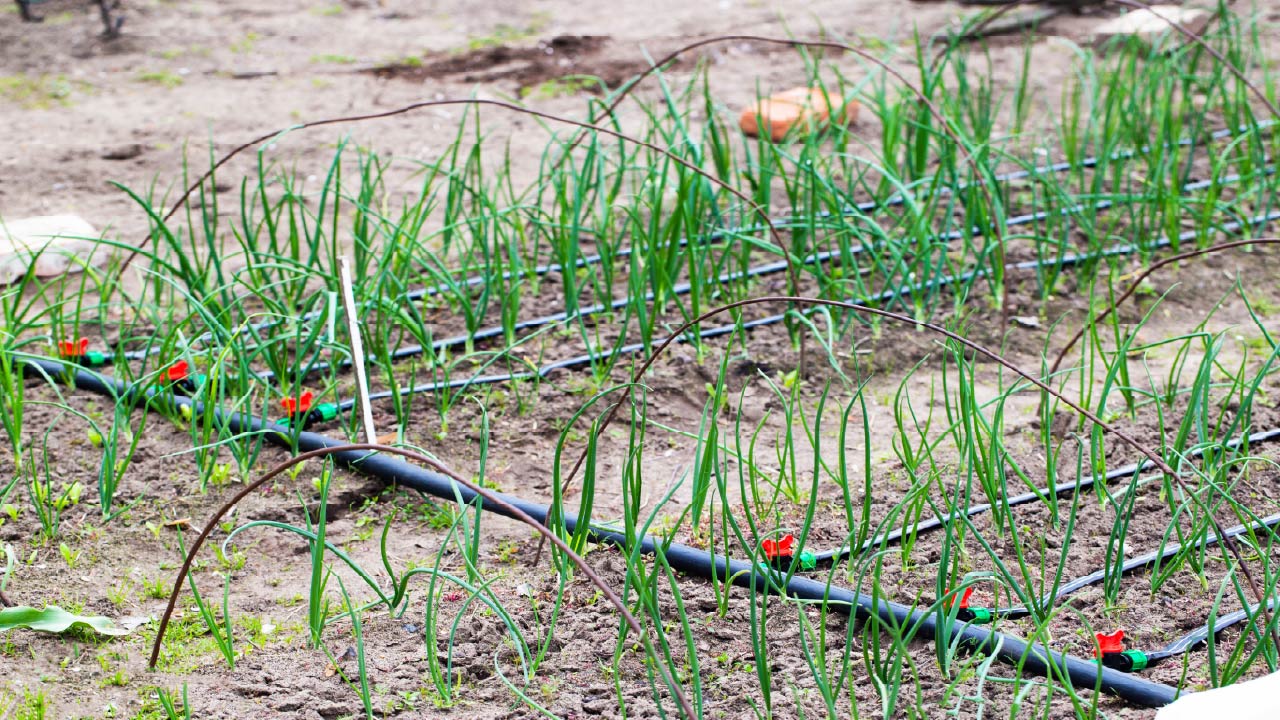
When Should You Replace Your Drip Irrigation System? Upgrade or Replace
Feb 26th 2026
A drip irrigation system plays a major role in enhancing your landscape's beauty, improving its health, and boosting your home's curb appeal. A well-functioning drip irrigation system is the smartest investment any gardener or landscaper can make. It is the most reliable and water-efficient way to irrigate plants, trees, shrubs, containers, and hanging baskets. This smart system helps conserve water, improve soil health, reduce weed growth, deliver water directly to plant roots, and produce healthier plants. But like any garden irrigation system, it doesn't last forever. Even with regular maintenance and repairs, the time will come when it needs replacement.
You might be asking: when should you do it, and when is the right time to replace my old drip irrigation system? In this guide, you'll find detailed answers to all your questions, clearing up any confusion and helping you run an efficient drip irrigation system.
How long does a Drip System Usually Last?
Most gardeners get 7 to 10 good years from their main tubing with light use and no major damage. If you take care of your system, avoid direct sunlight, use filters, and install pressure regulators, you might be able to stretch it to 15 years, especially if you don't make big changes every year. Pro drip irrigation systems with pressure regulators, best-quality emitters, automated flushing, durable tubing, and premium filters are built for long hauls.
The lifespan of your drip system depends on several factors, including materials, usage, maintenance, and climate.
Material Quality: High-quality materials like HDPE and LDPE ensure longer durability.
Environmental Exposure: Chemicals, UV rays, and weather conditions can cause wear and tear in the system's components.
Maintenance: Regular upkeep and cleaning of drip irrigation components help them last longer.
Usage: Excessive use or improper installation can shorten your system's lifespan.
Average Lifespan Expectations of Components
Drip Tubing: A high-quality tubing can last 3 to 10 years. Above-ground lines protected by mulch can last 10 to 12 years with light use and careful winter storage.
Drip Emitters: 2-5 years
Some emitters and drip heads usually get clogged after 2-3 growing seasons and drip water at half-speed or are completely blocked. This is normal. You should install the filter and clean the emitters before each growing season. Also, keep extra emitters in your collection to replace damaged ones every spring.
Drip Tape: Most drip tape is designed to last 5 to 8 years under normal conditions, which makes it a cost-effective investment for years.
Drip Fittings: The quality of the materials used determines how long drip fittings last. Premium-quality fittings can last for years, while lower-quality fittings can degrade more quickly.
Filters and pressure regulators: 5–10 years
Irrigation timers: 5–15 years
Regular maintenance can extend the lifespan of high-quality systems by almost ten years. In three to five years, lower-quality systems that are overly exposed to intense sunlight or have poor water quality may fail.
Signs that it's Time to Replace Your Drip Irrigation System
Here are the major warning signs that it's time to replace your old garden drip irrigation system.
Multiple Leaks
Leaks are a common issue in irrigation systems. They usually occur in the mainline tubing and are found in older systems. Over time, sun exposure and temperature changes can weaken the main tubing. This is the tubing that carries pressurized water from your water source to your drip lines and emitters. It is simple to fix minor leaks, including those in valves or nozzles.
However, if the mainline tubing leaks, your system will start to perform poorly because there won't be enough water reaching the emitters for distribution.
Learn How to Fix a Leak in a Drip Irrigation System!
Repeating Clogging in Emitters
Clogged drippers are a common problem found in drip irrigation systems. Over time, debris, sand particles, mineral buildup, and algae in the water can block water flow. Even high-quality emitters can become clogged by hard water. Occasional clogging in emitters is normal, but if they clog repeatedly, cleaning doesn't restore flow, and plants keep showing uneven watering patterns, it's time to replace the system.
All these signs indicate that your system is not operating effectively. Additionally, mineral buildup can permanently damage emitters in hard water areas.
Low Water Pressure
If your drip irrigation system can no longer deliver water as efficiently as it used to, it is a clear sign that it needs some help. Consistent low water pressure in the system reduces drip irrigation efficiency.
It is recommended to have a system inspection by irrigation experts to determine whether it needs repair or a complete upgrade. Typically, if pressure problems continue after repairs, it may be time for a complete irrigation system repair.
Signs of low water pressure in the system include:
- Low emitter output
- Inconsistent drip flow
- Water takes much longer to reach the end of the line
This can happen due to broken tubing or internal debris buildup.
Constant Repairs
If you're repairing dip tubing every season, replacing clogged emitters monthly, and spending a lot of time fixing your garden irrigation system, you should consider replacing your system. The cost of materials and labor can exceed that of a new installation.
Landscape Design Upgraded
Garden upgrades also require upgrades to the irrigation system. If you've added new raised beds to your garden, planted new trees, changed plant spacing, or expanded your garden, you may need to replace or redesign your drip irrigation system. An old design will no longer provide proper coverage.
Uneven Plant Growth
Inconsistent plant growth is one of the main warning signs. If you notice symptoms like
- Dry spots in the yard
- Some plants grow well while others wilt
- Reduced yields
- Some areas are overwatered next to dry zones
These signs indicate your drip irrigation system is no longer evenly distributing water, resulting in uneven plant growth. Uneven watering could sign of damaged driplines, pressure problems, or failing emitters.
Outdated Irrigation System
How old is your drip irrigation system, and how many years approximately does it have left? Have you noticed any repeated signs of wear and tear?
The older the system, the more likely it is to break down and need repair because all systems have an average lifespan. Additionally, it may be more expensive to fix outdated systems than to upgrade them to new ones. Older drip systems are usually less efficient compared to modern systems with water-saving irrigation technology.
If you notice water wastage, pay for high bills, or manage larger landscapes, it is best to replace your old irrigation system to improve efficiency.
Advanced new systems offer:
- Pressure-compensating emitters
- Smart controllers for automation
- Anti-siphon valves
- Soil moisture sensors
- Rain sensors
- Improved filtration systems
When is the Best Time of Year to Replace a Drip Irrigation System
The ideal replacement time is before the peak growing season. The two seasons include:
- Late winter or early spring, before planting season begins.
- Fall season is after harvest but prior to winter.
Avoid replacing the system in mid-summer unless necessary, because plant stress is already high. Replacing your system ensures proper root development, healthy plant establishment, and efficient water distribution.
There is no universal timeline.
- Replace drip tubing every 5-10 years.
- Replace emitters every 2–5 years.
- Replace the system sooner if exposed to extreme UV or hard water.
- Regular maintenance can extend system life significantly.
Learn How to Save Time with a Drip Irrigation System
When Should You Repair Your System Instead of Replacing?
Your system doesn't need a full replacement for small issues. Do a seasonal system inspection to determine whether the issue is minor or systemic. Some problems can be resolved with repairs, such as:
- Only one part of the tubing is damaged.
- Tubing is still flexible and strong.
- Emitters clog as they can be cleaned.
- Your system is less than 5 years old
- Filters need maintenance
How Often to Replace the Drip Irrigation System
There is no universal timeline to exist, but depending on the system's condition,
- Replace the drip tubing every 5 to10 years.
- Replace drip emitters every 2 to 5 years.
- If the system is exposed to extreme UV or hard water, replace it sooner.
Tips to Extend the Life of Your Drip Irrigation System
Here are the best drip irrigation maintenance practices to make it last longer.
- Install a high-quality screen or disc filter. Even if your water looks clean, small particles of sand or dirt can still clog the emitters.
- Clean the filter every few months or sooner if you notice a pressure change.
- Flush the system at least once a season.
- Install pressure regulators to maintain system pressure and prevent damage.
- Protect your tubing from direct sunlight.
- Winterize the system in cold climates.
- Inspect your system once a month during peak season.
The Bottom Line
A well-functioning drip irrigation system is important for a thriving, beautiful garden. If your system requires frequent repairs, causes uneven watering, increases water bills, or shows other warning signs, it is time to invest in system replacement. Keeping track of all these warning signs will help you determine whether your drip irrigation system requires repair or replacement. So, follow the guide to invest in a high-efficiency, long-lasting garden irrigation system that supports healthy plants, conserves water, saves money, and reduces maintenance stress.
Visit the DripWorks store for all your lawn and garden irrigation needs and ensure your plants receive consistent, sustainable watering through the best-quality components.