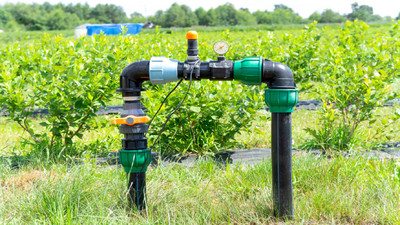
This series is designed to protect against back siphonage of toxic or non-toxic liquids. It features a durable bronze body, check valve, and air-opening port in one assembly. The maximum working pressure is 150 psi (10.3 bar).
The series 765 Pressure Vacuum Breakers come with a built-in freeze sensor designed for use with SentryPlus Alert® technology. This sensor efficiently signals when the ambient temperature approaches the freeze threshold, and triggers freeze alerts. The connection kit, available for your building/irrigation management system (BMS/IMS), further enhances the convenience of this feature.
Features:
- The sensor on PVB signals when the temperature nears the freezing point
- Freeze alerts help extend the use of the PVB device by reducing damage and repair
- Freeze alerts feature available with add-on connection kit for irrigation management systems
- All bronze body for durability. One check valve and an air opening port in one assembly
- Lightweight poppet seals air opening under minimum flow conditions
- Simple service procedures. All internal parts serviceable in line from the top of the unit
- Designed for minimum head loss