
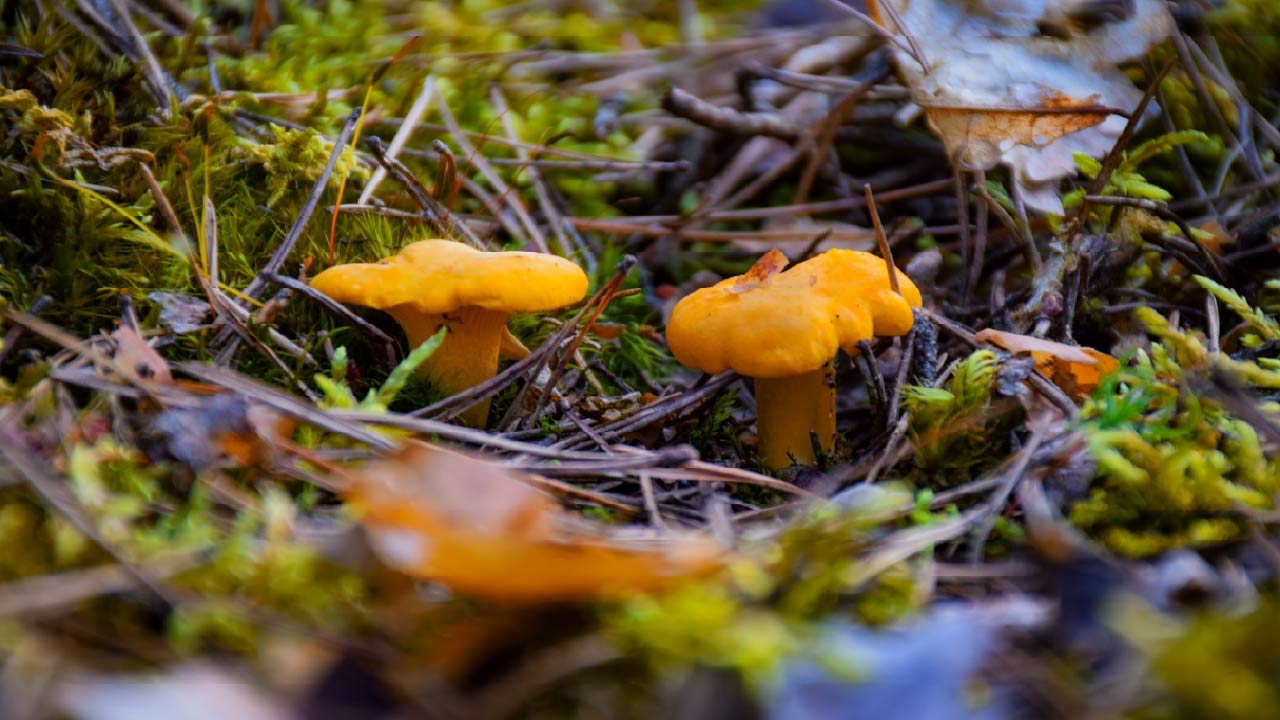
How to Forage for Mushrooms in Northern California
Apr 2nd 2026
For many people, mushroom foraging combines the quiet joy of wandering through damp forests with the thrill of discovering nature's hidden bounty. In Northern California, with its redwood groves, oak woodlands, and moist coastal forests, the mushroom‑hunting season can produce some of the richest finds you'll ever taste. But foraging here isn't just a free meal; it's a practice that requires respect, knowledge, and caution.
In this guide, I'll tell you how to forage mushrooms in Northern California safely and responsibly. We'll cover where and when to hunt, how to identify what you pick, what tools to bring, and how to follow local rules while keeping ecosystems healthy.
Why Forage Mushrooms and Why Northern California Is Special
Northern California's varied landscapes, from coastal redwoods and foggy seashores to inland oak woodlands and mountainous terrain, provide ideal habitats for a huge diversity of fungi. Mushrooms thrive on damp forest floors, decaying wood, and the rich leaf litter that carpets these ecosystems.
After autumn or winter rains, the forest seems to burst into life overnight. Mushrooms sprout from hidden corners: under oak canopies, along mossy logs, and beneath pines. The seasonal climate, with wet winters and mild temperatures, triggers fruiting, making late fall through spring prime for mushroom hunting.
For many, foraging becomes more than collecting food. It's a way to connect with the land to step slowly under towering trees, breathe the damp air, and find nourishment in unexpected places. But with this reward comes responsibility.
Understanding the Rules & Ethics of Mushroom Foraging
What's legal and what's not
- Rules can vary significantly depending on where you go. Not all public lands allow mushroom collecting.
- For example, many regional or local parks in Northern California forbid foraging entirely. According to one local policy overview, "mushroom picking is not allowed in any of the regional, city, or town parks in Sonoma County."
- Some state or federal lands may permit small‑scale personal foraging but only under certain conditions (e.g., limits on quantity, prohibition on commercial harvest, or need for a permit).
- One example: Salt Point State Park in Sonoma County is often cited as a rare public park where personal mushroom collecting is allowed with restrictions.
Always check current regulations for the area you plan to forage. Contact the management agency or look online before you go. When in doubt, don't pick.
Ethical & sustainable foraging
Responsible foraging isn't just about legality, it's about preserving ecosystems. Best practices include:
- Only take what you need. Never strip a patch completely. Some foragers follow a "take no more than ⅓" rule or even less, to leave enough for wildlife and future mushroom growth.
- Pick mature specimens, avoid juvenile mushrooms that haven't released spores yet, and avoid old, decaying ones.
- Harvest carefully, using a knife or scissors to cut mushrooms at the base instead of pulling them; avoid disturbing soil, mycelium, or the forest floor.
- Respect private property. Never forage there without the landowner's permission.
- Leave no trace, don't leave litter or damage vegetation, tread lightly.
When & Where to Forage in Northern California
Best Seasons and Environmental Conditions
- Late winter through spring (and sometimes early summer): After the first significant rainfall, the forest floor becomes moist. This moisture kick starts fungal fruiting across many species.
- Following rains: Timing Mushrooms often appear 7–14 days after heavy rainfall, when humidity remains high, and soil is damp.
- Shaded, damp areas: Look under mature trees (oaks, redwoods, conifers), along fallen logs, in deep leaf litter, or near creek These are ideal micro‑habitats.
Great Regions to Explore
Northern California offers plenty of public lands and natural areas, but not all allow collecting. Some known foraging-friendly zones (with permitted or historically tolerated mushroom hunting) include:
- Old-growth redwood and mixed forests along the coast and inland hills, especially after rains.
- Mixed oak‑conifer woodlands at mid-elevation hillsides are often good for chanterelles, boletes, and other species.
- Forest patches, managed woodlands, or state demonstration forests where rules may permit personal, non-commercial collecting (though always check first).
What to Bring: Your Mushroom Foraging Toolkit
Foraging safely and responsibly is easier with the right tools:
- Gloves to handle damp logs, decaying wood, soil, or mushrooms safely and hygienically.
- A knife or scissors to cut mushrooms at the base without damaging the mycelium or substrate.
- A trowel useful for gently digging around logs or leaf litter (only if permitted; avoid digging in protected lands), or to examine the substrate beneath mushrooms.
- A basket or breathable container mushrooms stored in plastic bags spoil faster; a basket or mesh bag lets spores fall and helps sustain future growth cycles.
- A good field guide tailored to Northern California fungi, avoid relying solely on photos from the internet. Many local mycological societies recommend cross‑referencing 3–5 traits per mushroom before consuming.
Identifying Mushrooms: Caution, Knowledge & Verification
Foragers often say, "When in doubt, throw it out." That's because in Northern California forests, edible mushrooms often grow alongside deadly look‑alikes. Mistakes are common and dangerous.
Common Edible Mushrooms & Their Habitat
Some of the mushrooms frequently reported as edible in Northern California include various species of Agaricus (field mushrooms), boletes, chanterelles, hedgehogs, and others, depending on exactly where you hunt and the season.
Mushrooms often appear:
- On or near decaying logs or stumps
- Under oak or conifer trees
- In leaf litter or mossy forest floor after rain
- In damp, humid areas, such as creeks, ravines, and shaded slopes
Common Poisonous and Potentially Deadly Look‑Alikes
Northern California is home to several highly toxic mushrooms, including varieties of Amanita phalloides (Death Cap), Amanita ocreata (Destroying Angel), and other dangerous fungi.
Key warning traits many experts recommend avoiding:
Mushrooms with white gills, a bulbous base or sac (volva), and a ring (skirt) on the stem are often found in deadly Amanita species.
Bright‑colored caps, such as red, yellow, or very vibrant hues, often (but not always) correspond to poisonous species.
Safe Foraging Practice: Don't Rush Identification
- Use multiple field guides (it's common to cross‑check 3–5 traits per mushroom).
- If possible, join a local mycological society or foraging group. For example, the Sonoma County Mycological Association (SOMA) recommends that beginners forage with experienced hunters and using region‑specific guides.
- Never eat mushrooms you're not 100% sure about, even if they look familiar.
- Avoid collecting mushrooms near polluted sites, roadsides, and industrial areas, as fungi absorb pollutants.
How to Forage for Mushrooms: Step‑by‑Step Guide
Step 1: Plan & Research Ahead of Time
- Check rainfall patterns and aim for foraging within a week after significant rain.
- Look up land‑use regulations for your chosen site. Permit rules vary.
- Prepare your tools (gloves, knife/scissors, trowel, basket, guidebook) and ensure you have a map or GPS, as forests can be disorienting.
Step 2: Dress & Equip Yourself Properly
Wear sturdy shoes or boots, long pants, and if needed gloves. Bring water, a small field notebook or smartphone, and perhaps a compass or map.
Step 3: Search for the Right Habitats
Walk slowly, scan under trees, around fallen logs, near mossy tree bases, or in leaf litter. Focus on shady, damp spots, these are where mushrooms most often emerge.
Step 4: Gently Harvest, Respecting the Ecosystem
Use a knife or scissors to cut mushrooms at the base instead of pulling ; this minimizes damage to the mycelium underground. Use a basket or mesh bag so spores can fall and help reseed the forest floor.
If digging or disturbing soil is required, use a trowel but only where allowed, and be very careful not to damage roots or fungal networks.
Step 5: Document & Identify Each Specimen
Take photos of the top, underside, and stem base, note the habitat type of trees nearby, substrate, surrounding environment, and consult at least two reputable mushroom field guides, or better, a local expert, before deciding if something's edible.
Step 6: Respect Limits & Leave No Trace
Only take what you need, leave the rest for wildlife and renewal. Fill any holes, avoid damaging trees or logs.
Common Mistakes & How to Avoid Them
Rushing identification
Never assume a mushroom is safe because it looks "nice." Always doublecheck multiple traits.
Harvesting immature or over‑ripe mushrooms
Immature fungi haven't released spores; over‑ripe ones may be decaying or contaminated.
Breaking or yanking mushrooms
This can damage the mycelium, harming future growth. Always cut cleanly at the base.
Foraging in disallowed areas
It can result in fines, legal trouble, and environmental harm.
Overharvesting from a single patch
Depletes the resources for wildlife and future foragers.
Tips for Beginners & Safety‑First Foraging
- Start with an experienced friend or join a foraging group or mycological club. Learn in person.
- Use multiple trusted field guides avoid relying solely on internet photos.
- Carry good tools, gloves, a knife, a trowel, a breathable basket or mesh bag, and a light.
- Never consume a wild mushroom unless you are 100% sure of its identity and condition.
- If you harvest near roads or potentially polluted areas, skip consumption fungi can absorb toxins.
- Respect the land, don't disturb the forest floor more than necessary, and harvest sustainably.
The Bottom Line
Foraging mushrooms in Northern California can yield delicious meals, deepen your connection with wild places, and teach patience, observation, and respect for nature. A bright golden chanterelle, a tender bolete, or a hearty field mushroom harvested carefully and cooked simply, these are rewards no grocery store can match.
But the forest also counts on you. With so wide a variety of edible, inedible, and deadly, every trip demands caution, humility, and respect. Every careful harvest helps ensure future foragers and forest creatures can continue to enjoy nature's fungal bounty.