
How to Choose the Right Air Relief Valve: A Complete Guide
Mar 30th 2026
Air in an irrigation system is one of the most common causes of poor system performance, uneven watering, and costly pipe damage. If you've ever turned on your irrigation system and heard a banging or thumping sound that made your PVC pipes shudder, you've met the issue of trapped air. This makes it crucial to choose the right air relief valve to achieve great system performance and eliminate problems like airlocks and water hammer.
Air relief valves play a key role in maintaining the efficiency, safety, and longevity of pressurized water systems. But how can you select the right one for your specific system? DripWorks will help you. This guide explains the functions, main types, and selection criteria for air release valves in water lines. By the end of the blog, you'll be confident in selecting the correct valve for your specific irrigation setup.
What Is an Air Relief Valve in Irrigation?
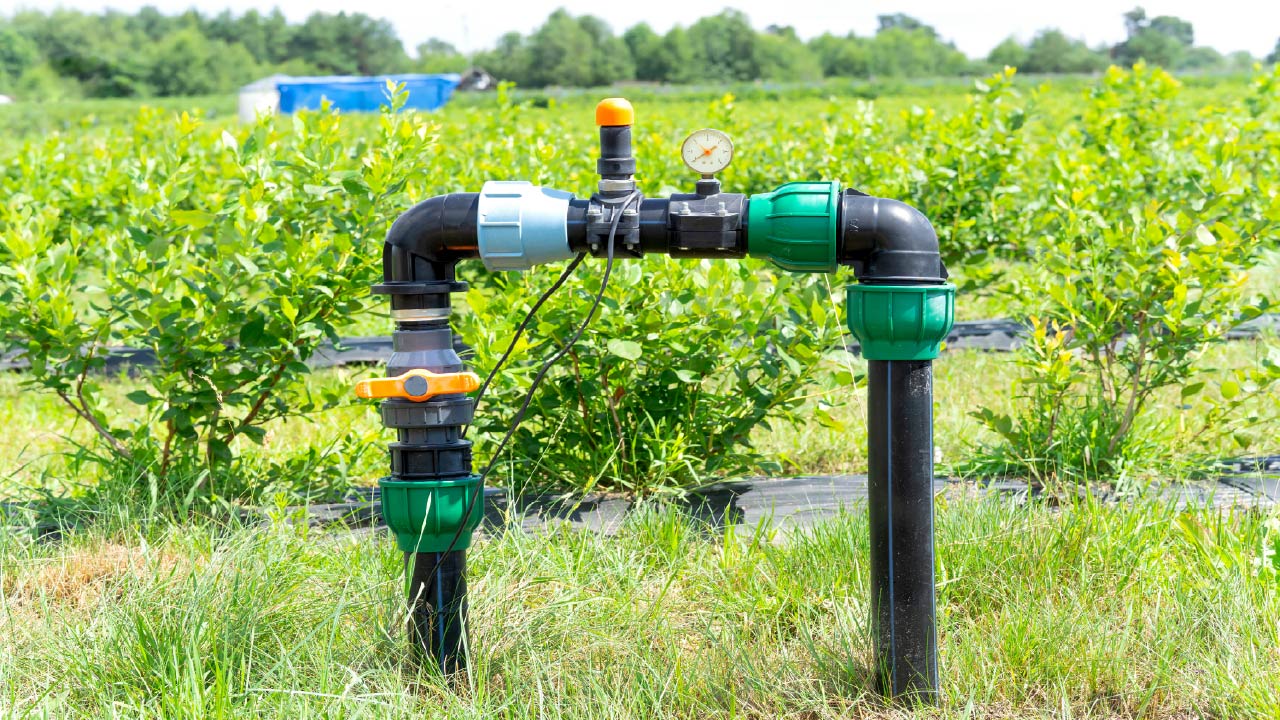
An air release valve is a small component installed on top of an irrigation pipeline to automatically release trapped air from the pipeline during system operation and to allow air to enter the system when needed.
Air can enter systems during system startup, temperature changes, leaks, changes in high elevation, or pump shutdown. When air accumulates at high points in the irrigation system, it can restrict water flow and cause sudden pressure spikes that can damage pipes. The air release valve for water is designed to safely and efficiently expel these air pockets without manual intervention. Therefore, it is also called an Automatic air valve.
For systems such as Sub-surface Drip Installation, proper air management is critical because trapped air can disrupt emitter performance and cause uneven moisture distribution underground.
Importance of Air Relief Valves for Irrigation Systems
Most irrigation issues are caused by trapped air. When water moves into an empty pipe, it pushes the air ahead of it. If that air has nowhere to go, it compresses into pockets that become invisible blockages. When the water hits these pockets, it creates water hammer. Air pockets block water inside pipelines, restrict flow, and create sudden pressure spikes that can damage pipes and fittings. For landscapers and growers running long irrigation lines, dealing with elevation changes, or using automated systems, air relief valves are essential system protection devices.
If air is not properly managed, the trapped air can lead to serious system problems, such as:
- Pipe bursts
- Reduced water flow
- Pressure fluctuations
- Uneven watering
- Pump damage
- Water hammer
Benefits of Air Relief Valves
Implementing the right air release valves for irrigation systems offers several advantages, such as:
- Prevent water hammer and pipe damage.
- Improves irrigation system efficiency.
- Ensures uniform water distribution.
- Protects drip emitters.
- Maintains consistent water pressure.
- Extends system lifespan.
- Offers back siphoning protection.
Types of Air Release Valves Used in Irrigation Systems
Not all air valves are created equal. You should understand the different valve types to choose the correct solution for your system. Depending on your specific system layout, you'll need one of these three:
1. Automatic Air Release Valve
This is a standard air relief valve that continuously releases small pockets of air that accumulate while the system is running under full pressure.
Key Features
- Automatically releases trapped air.
- Improves water flow efficiency.
- Reduces pressure fluctuations.
- Clog-resistant.
Best for: High points in drip irrigation systems, sprinkler systems, and systems where air naturally migrates and becomes continuously trapped during operation.
2. Vacuum Relief Valve (Air/Vacuum Valve)
A Vacuum relief valve releases large volumes of air during system startup and allows air to enter the system during shutdown. They are designed to enter or exit large volumes of air during initial filling and during draining. This prevents vacuum formation that can collapse pipes.
Key Features
- Prevents pipe collapse.
- Protects pumps.
- Reduces vacuum damage.
- Allows rapid air intake.
Best for: The starting point of a mainline or at the end of long lateral runs, sub-surface drip systems, systems with elevation changes, and systems that need back siphoning prevention
3. Combination Air Valve
This type of air valve combines the functions of both an Automatic air relief valve and a Vacuum relief valve. It is the most versatile and widely used option for modern irrigation systems. It can handle both small and bulk air movement during startup and shutdown. Additionally, it has internal smarts to bleed off small air pockets during the watering cycle.
Key Features
- Handles both small and large air volumes.
- Provides complete air management.
- Improves system efficiency.
- Reduces maintenance needs.
- Often made to be clog resistant.
Best for: Large irrigation systems, automated irrigation systems, and terrain where air pockets are a constant threat.
Also Read: Understanding Water Hammer: Causes, Effects, and Prevention Tips
Factors to Consider When Choosing the Right Air Relief Valve
Evaluate these factors first before selecting the correct air relief valve.
Pipe Size
Pipe diameter directly affects the size of the Air relief valve required. For irrigation systems, you should always use an air release valve designed to handle variable flow and sediment. Remember
- Larger pipes require larger valves, such as Guardian Air/Vacuum Relief Vent.
- Longer pipelines require greater air-release capacity.
- Mainlines require larger valves than lateral lines.
Operating Pressure and Flow Rate
Check the valve's minimum and maximum operating pressure. Make sure that the selected valve matches your system's operating pressure. Most professional valves require at least 3–5 PSI to operate. Every irrigation system works within a specific pressure range. If you have a very low-pressure gravity system, you might need a specialized low-pressure model.
Choose a valve that matches your system pressure for reliable performance. High-flow systems are more prone to pressure surges, making protection devices such as water-hammer arrestor and check valves essential for system protection.
Irrigation Pressure Ranges
- Drip irrigation systems: 15-40 PSI
- Sprinkler irrigation systems: 30-80 PSI
- Agricultural irrigation: 40-120 PSI
Pro Tip: Always select a valve rated slightly above your system's maximum operating pressure.
Installation Location
Where you install the valve is just as important as selecting the correct model. The best locations for air relief valves are the highest points in the pipeline, at elevation changes, at the end of long runs, and before pressure regulators. Keep in mind that air naturally rises in pipes, so it is wiser to install valves at high points to remove air efficiently.
Irrigation System Type
Different irrigation systems require different air management techniques.
Drip Irrigation Systems require:
- Small Air relief valve units
- Frequent air removal
- Protection for emitters
Sub-surface Drip Systems
These systems require careful air management because the tubing is buried below the soil surface. This system requires:
- Vacuum relief valve protection
- Reliable back-siphoning prevention (which can be achieved with vacuum breakers)
- Debris protection
- Durable valve materials
- High-quality air valve units
Sprinkler Irrigation Systems require:
- Larger air valve units
- Startup protection
- Pressure surge protection
Where to Install Air Relief Valves in an Irrigation System
Proper placement of air valves improves system performance. Install an air relief valve for irrigation every 500 to 1,000 feet of pipeline and at every major elevation change. In addition, here are the recommended installation locations.
- Highest points in the pipeline
- Long horizontal runs
- Before check valves
- At the pipeline ends
- On steep slopes
- Near filtration systems
Read More:Irrigation Valves: What is a Valve and How to Fix or Replace Them
Common Mistakes to Avoid When Choosing an Air Relief Valve
- Choosing the wrong valve type when another type is required.
- Installing too few valves in large systems because they require multiple valves
- Ignoring back-siphoning prevention which risks allowing contaminated water or soil to enter the system.
- Using the wrong size because small valves cannot release enough air during system startup.
- Ignoring pressure issues, sudden pressure spikes can damage pipes if protective devices like a water hammer arrestor are not installed.
The Bottom Line
The right Air relief valve is a powerful investment in your irrigation system that delivers major protection. It prevents air buildup, reduces pressure problems, supports back-siphoning prevention, and ensures consistent irrigation.
So, follow all the steps in this guide to select the best air relief valve for irrigation and keep your system running efficiently for years to come. With the best-quality air relief valves from DripWorks, you'll protect your system and extend the life of your pipes.