
Top 8 Heat-Tolerant and Drought Resistant Herbs That Grow Well in Hot Climates
Mar 31st 2026
If you live in hot regions like Arizona, Southern California, Texas, Florida, New Mexico, or other parts of the South and Southwest, it must be a struggle to grow food during the peak of the hot summer. However, there is no shortage of herbs that can handle the heat, and some heat-tolerant herb varieties are excellent alternatives to those that thrive in cooler seasons. Heat-loving herb varieties offer many of the warm-season options. Spring is a prime time to start these herbs and enjoy abundant harvests all summer. Herbs thrive in hot climates as they benefit from proper air circulation, consistent moisture, well-draining soils, and, depending on the variety, protection from direct sun.
The eight heat-tolerant herbs listed in this post are well-suited for hot climates. They'll grow pretty much anywhere and survive the heat and dry conditions of this season. Let's discuss these herbs one by one, along with their growing requirements.
1. Basil
Sun Requirements: Full sun to partial shade
Hardiness Zones: 10
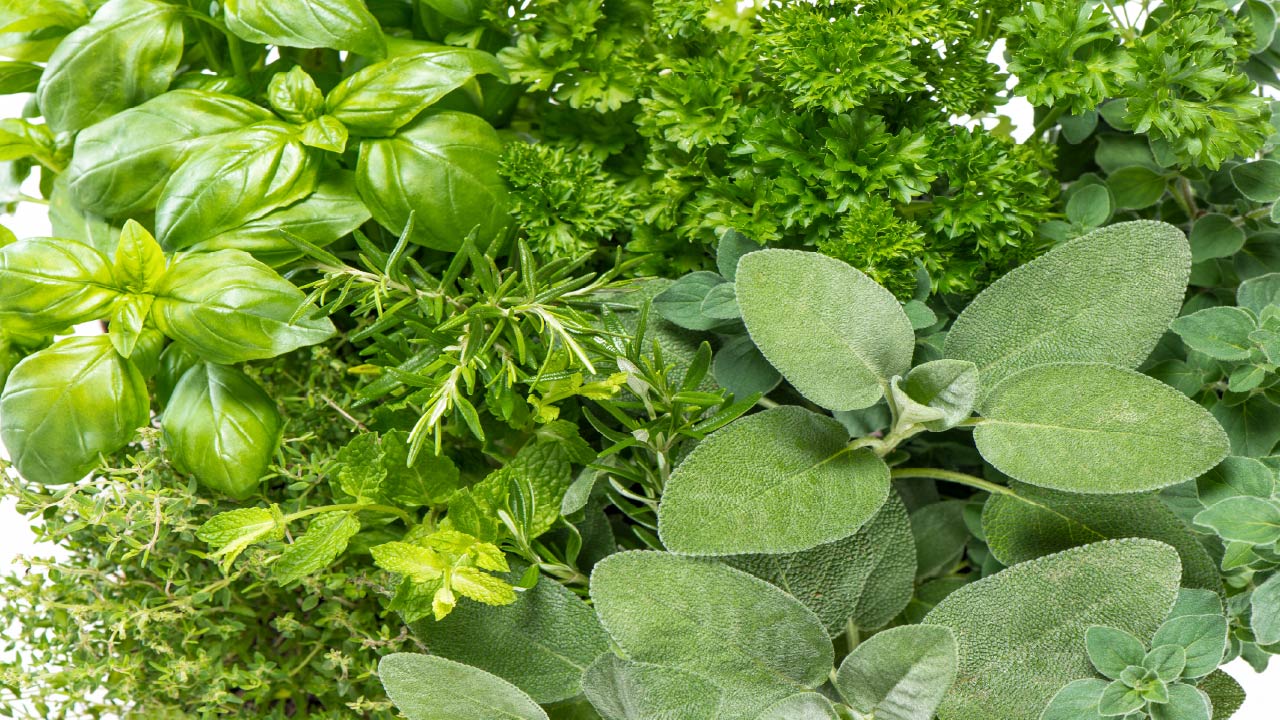
Basil is one of the attractive heat-tolerant garden herbs that flourishes in summer. In fact, if the temperature is too low, it won't grow very well. Basil features broad, dark green leaves or narrow, deep green leaves, based on its variety.
Basil leaves smell like heaven. Give basil 6-8 hours of sunlight and grow it in a nutrient-rich, well-drained soil, and you will have a bumper crop in no time.
Use for: Add fresh basil leaves to soups and sauces. It tastes delicious right from the garden in salads or sandwiches.
2. Rosemary
Sun Requirements: Full sun
Hardiness Zones: 8-10
Rosemary brings amazing texture and fragrance to the summer herb garden. This aromatic shrub is native to the Mediterranean and grows perfectly in drier summer weather. Rosemary requires little to grow into a healthy, beautiful plant that can produce stunning blue flowers. It is a low-maintenance, drought-tolerant perennial that gives a striking display in multiple seasons.
Use for: Rosemary makes a delightful addition to an iced glass of fresh lemonade. Also, its herby, needled foliage is perfect for clipping for fragrance, décor, and culinary purposes.
3. Sage
Sun Requirements: Full sun to partial shade
Hardiness Zones: 4-8
Sage is a classic herb, and the velvet texture is divine. The best thing about this garden favorite is that it returns every year, even in cold climates. Like basil, sage loves full sun and well-drained soil. It has a crisp, earthy scent and velvety leaves, making it unique. Sage varieties produce leaves in purple, blue-gray, gold, and tricolor. They're also great for sensory gardens, rock gardens, and perennial borders.
Use for: Add sage to a variety of dishes, from traditional turkey stuffing to pasta and bean soups. Its earthy, aromatic flavor pairs well with sweet fruits, fatty meats, and butter.
4. Oregano
Sun Requirements: Full sun
Hardiness Zones: 3-10
Oregano is a lovely herb and a garden ornamental with its delicate foliage, mounding habit, and tiny pink, white, or purple blooms. It looks pretty in both the perennial border and the herb garden. Like many Mediterranean culinary plants, this heat-tolerant herb prefers drier soil and plenty of sunshine. Plant this herb in a raised bed or container for best results. Oregano also benefits from consistent moisture. It can tolerate light afternoon shade in the summer heat.
Use for: Oregano can add amazing flavor to soups, stews, marinades, and pesto. It also tastes heavenly with olive oil and garlic.
5. Mint
Sun Requirements: Full sun to partial shade
Hardiness Zones: 2-10
Mint is one of the most heat-tolerant herbs, able to withstand high temperatures. This classic herb can grow anywhere under any conditions. Mint creates a low-growing carpet of fragrant leaves. Spearmint and peppermint are popular mint species and are very easy to grow.
Mint is an excellent container-grown herb. It grows well in moist, well-draining soils with full sun to moderate shade in very hot climates. Harvest the leaves regularly to enjoy more produce and to prevent the plant from spreading, flowering, and producing seeds.
Use for: Mint adds flavor to many Mediterranean dishes. It is great for tea, fresh juice, smoothies, or homemade ice cream.
Also Read: How to Grow Herbs Indoors
6. Lemon Balm
Sun Requirements: Full sun to partial shade
Hardiness Zones: 3-7
Lemon balm is worth planting for the sheer pleasure of running your hand across the lemony-scented foliage as you walk through the garden. Lemon balm makes a wonderful tea. Although it is well-suited for hot climates, it does not mind some afternoon shade. Its leaves are edible, with the fresh young leaves being the most flavorful.
Lemon balm spreads easily, so keep trimming and deadheading the plant with the proper garden tools to keep it in check and encourage a new flush of leaves. You can grow this heat-tolerant herb in containers or raised beds to keep it from spreading too far.
Use for: This minty/lemony herb works perfectly with fruits or salads. It provides instant refreshment with aromatic uses, both fresh or dried, as well as culinary flavors for soups, sauces, teas, beverages, and more.
7. Thyme
Sun Requirements: Full sun
Hardiness Zones: 5-9
Thyme is a carefree, hardy herb that may be used in the garden for both culinary and ornamental purposes, making it ideal for small spaces. There are over 300 varieties, or closer to 400 varieties, of thyme. Common thyme is most used for culinary purposes and has a minty clove aroma. Orange, lemon, and nutmeg are other cultivars with unique scent and flavor notes. Though the plants are hardy, thyme has small leaves on wiry stems giving it a delicate appearance. This versatile herb is happy with dry conditions and lots of sunshine. It performs best in fast-draining soils, particularly in southern climates. Once established, thyme is drought tolerant. Plants wither in very wet conditions.
Use for: Thyme is an earthy and aromatic herb that adds depth to any recipe. It's a tried-and-true combo with chicken and lemon. Thyme can be used fresh or dried and pairs well with soups, sauces, pastas, pizzas, roasted vegetables, and more.
8. Lavender
Sun Requirements: Full sun to partial shade
Hardiness Zones: 5-9
Lavender is a lovely, heat-tolerant, fragrant herb that is well known for attracting bees. It has a refreshing fragrance, silvery leaves, purple bloom spikes, and several uses, from cleansing to culinary. Lavender, like many Mediterranean herbs, enjoys well-drained soil and lots of sunshine. This beautiful herb makes an eye-catching, evergreen plant in the herb garden. This sun-loving shrub grows well in arid, warm summers and cool winters. The plant also tolerates dry conditions.
Use for: You can add dried or fresh lavender flowers to drinks, desserts, or savory dishes like roast chicken or lamb. Lavender adds flavor to bread, shortbread, and jams. It is also a common ingredient in lotions, soaps, shampoos, and cleaning products.
Tips to Successfully Grow Herbs in Hot Climates
Provide Enough Sunlight: Herbs perform well with 6 to 8 hours of sunlight, and afternoon shade is preferable in hot summers. Many heat-tolerant herbs can tolerate even full afternoon sun in hot climates.
Good Drainage: Plant herbs in a location with proper drainage, as they do best in well-draining soil that allows excess water to escape quickly.
Plant Invasive Herbs in Containers: Herbs with spreading roots, such as mint and oregano, thrive in containers. However, all eight listed herbs grow well in containers.
Don't Overwater: They need less water than summer vegetables and flowers. Herbs are killed by overwatering. Give them moderate and balanced watering with garden sprayers or rotor sprinklers. Their flavor and aroma will increase if you water correctly.
Don't Overfertilize: Add compost to the soil twice a year in spring and fall. Overfertilizing may promote green growth at the price of flavor and scent.
Harvest and Use Daily: The best thing about growing these herbs is that you can harvest them daily, and you usually don't need to preserve them. Harvest your herbs regularly and lightly all over to promote bushy growth.
The Bottom Line
Growing these best heat-tolerant herbs in your garden will offer you a bounty of fresh garden produce. These herbs are easy to grow and can add amazing flavors and diversity to your summer dishes.
Herbs are also incredibly attractive, adding beauty, interest, and color to your garden. Just give them a little care, provide enough water, and they'll thrive in hot temperatures. Not only do we love these herbs, but also pollinators and beneficial insects. Another benefit? Many of these plants are aromatic and have textured foliage, which discourages deer and rabbits from munching. So, plant these warm season herbs this spring and be ready to enjoy summer harvests.