
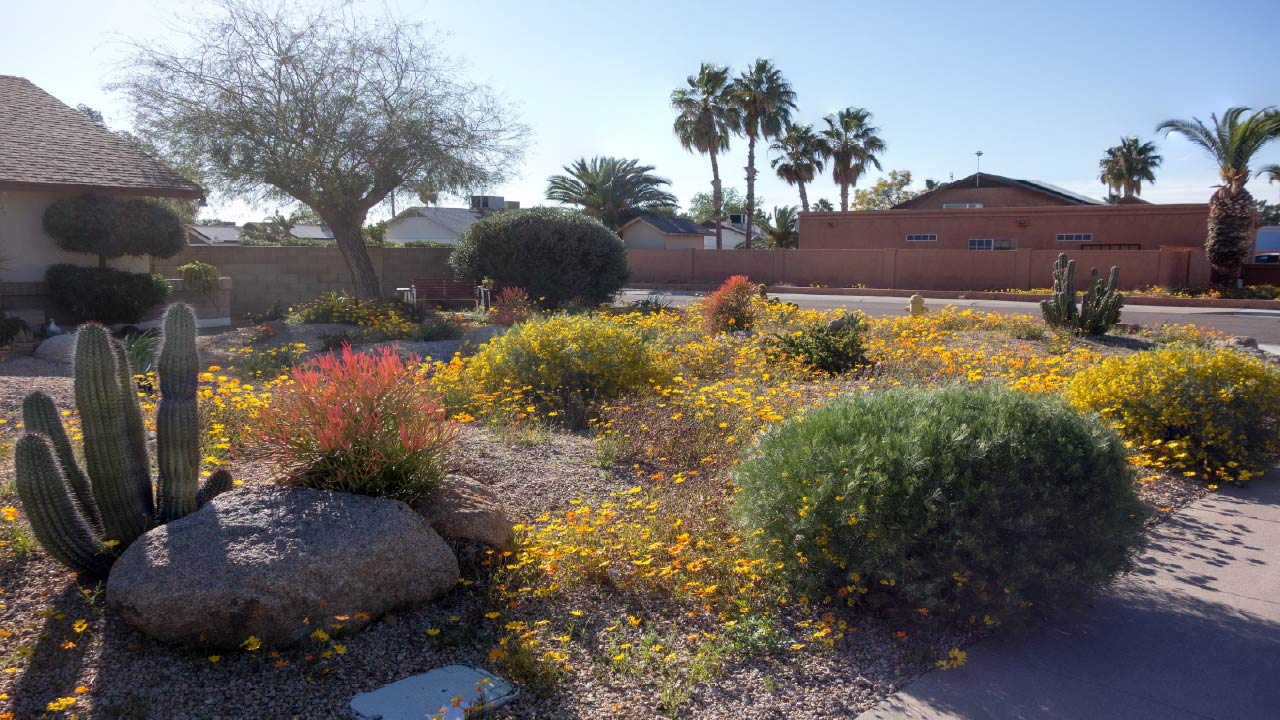
Eco-Friendly Garden Design: Sustainable Materials for a Greener Yard
Jul 9th 2026
Sustainable landscaping transforms outdoor spaces into thriving environments that naturally support biodiversity and improve local climates. Eco garden design focuses on creating spaces that reduce environmental impact while maximizing your space's health and functionality. Creating an eco-friendly garden with sustainable materials benefits the environment and enhances the beauty and functionality of your outdoor space. It incorporates sustainable landscaping practices, from water conservation to growing native plants that support local wildlife and climate.
Whether you have a small backyard garden or a sprawling landscape, sustainability can help you reduce your environmental footprint and create a stunning, natural landscape. Below, we explore smart eco-design strategies, the best sustainable materials, and practical ideas to help you build a garden that is both environmentally friendly and beautiful.
Why Sustainable Materials and Eco Garden Design Matter
Sustainable gardening helps reduce waste, conserve water, and limit air, water, and soil pollution. It is about reducing your carbon footprint without sacrificing beauty, function, or financial practicality.
Environmental Benefits
When you use natural materials, reduce water consumption, and choose native plants that thrive in local climates, you benefit the environment and lower your landscape's overall environmental impact. It also reduces landfill waste, protects natural habitats, and decreases pollution.
Biodiversity
Eco-friendly gardens attract beneficial wildlife, from birds and bees to butterflies, which enhances the ecosystem in your area. They become natural caretakers, reducing the need for chemical interventions.
Low Maintenance
Many eco garden designs require less upkeep. This saves you time and reduces your garden's dependence on chemicals and artificial fertilizers.
Aesthetic Appeal
Environmentally friendly gardens look more beautiful than traditional gardens because they blend seamlessly with the natural surroundings of your space.
Soil and structural protection
Healthy landscaping prevents erosion, improves soil quality, and protects your house from damage caused by flooding and extreme weather.
Increased property value
Sustainable landscapes are smart investments. Homes with eco-friendly gardens often have higher market value, making sustainability a financially smart choice.
Better Garden Performance
Natural and durable materials work better than cheaper synthetic alternatives. They offer better drainage, less heat absorption, better weather resistance, and a more natural appearance as materials age.
Month-by-Month Garden Checklist: What to Do All Year Long
How to Build a Sustainable and Eco-Friendly Garden Design
Each component of sustainable landscaping, from paving and pathways to trees, shrubs, and soil, plays an important role in creating outdoor spaces that are both environmentally responsible and enjoyable.
There are several principles to consider when planning an eco-garden design. Here are some of the most important aspects to help you create a space that is both sustainable and beautiful.
1. Incorporate Native and Non-native Plants
One of the best ways to create a sustainable garden is to grow native plants in your garden beds. These plants are well-adapted to your local climate conditions and soil type, making them more resilient to droughts and less dependent on chemical fertilizers. As a result, they require less irrigation, fewer fertilizers, fewer pesticides, and less maintenance.
Also, native plants provide essential food and shelter for local wildlife, promoting biodiversity. Combine native planting with pollinator-friendly non-native species to create a garden for your wildlife friends to enjoy and ensure your space looks stunning all year round.
2. Conserve Water
Water is a precious resource, and saving it is a main principle of eco-garden design. Here are the best ways to save water while effectively irrigating your plants.
Rainwater Harvesting
Install a rainwater harvesting system or water butts to collect water for your garden. You can use this water to irrigate your plants and reduce the demand for the main water supply. Rainwater harvesting reduces reliance on municipal water supply while lowering utility bills.
Popular rainwater collection systems are rain barrels, decorative rain chains, collection tanks, and gravity-fed irrigation systems.
Smart Irrigation
If you must irrigate, replace the wasteful overhead oscillating sprinklers with a water-efficient drip irrigation system. Overhead watering loses an immense amount of water to evaporation and wind drift.
Use Drip Irrigation with Timers: These systems deliver water directly to the plants' root zones, reducing water waste by up to 50%. They deeply water the bases of the plants without any waste.
Install Smart Controllers: Modern irrigation timers collect local weather forecast data via Wi-Fi. If rain comes, the system automatically skips the watering cycle, preventing overwatering and saving money.
Design Gardens That Need Less Water
Sustainable garden design also involves planning landscapes wisely. Group plants with similar water requirements together. This technique, called hydrozoning, allows irrigation systems to deliver water more efficiently.
Additionally, skip irrigation on unnecessary lawn areas to reduce demand; although they may turn brown during periods of extreme heat, they always return to life in the wetter months. Adding mulch in your garden beds can also help retain moisture and reduce evaporation, further reducing water usage.
Efficient Gardening: Homeowner's Guide to Drip Irrigation
3. Create Wildlife Habitats
A thriving sustainable garden supports more than your plants. Wildlife-friendly landscapes create habitats for numerous beneficial creatures. A garden that welcomes birds, insects, and small mammals is more vibrant and helps balance the ecosystem.
You can attract beneficial wildlife to your garden with these tips.
- Plant berry-producing shrubs and native wildflowers to provide food for bees and butterflies
- Include features such as bird houses, baths, and nesting boxes.
- Create a pond or any other water feature to offer a cool home for insects and amphibians.
- Introduce log piles or habitats from recycled waste such as bricks, roof tiles, rubble, and sand.
4. Reduce Lawn Space
Lawns require plenty of water and chemical treatments to maintain their lush appearance. In eco garden design, you should reduce lawn space to lower water usage and chemical dependency.
Consider growing ground covers such as clover, phlox, or thyme, which are low-maintenance and require less water. You can also expand garden beds, add gravel borders, or plant wildflower meadows and flowering bulbs in tall grass for a more natural, unmown look.
5. Use Sustainable Materials
The materials you choose to include in your garden can have a high environmental impact. Choose locally sourced, sustainable materials for pathways, decking, raised beds, containers, and other structures. Reclaimed stone, wood, and recycled materials are excellent options for creating a beautiful, eco-friendly garden. Less hard landscaping is also essential for eco-friendly gardening.
6. Reuse Existing Materials
One of the greenest materials is the one you already own. Before purchasing new products, evaluate what can be reused. It includes reusing pavers, repurposing old bricks, rebuilding retaining walls, recycling fencing materials, or converting logs into seating.
7. Install Eco-Friendly Garden Lighting
Modern outdoor lighting enhances the safety and beauty of your home, but it shouldn't waste energy. Consider installing LED lighting fixtures, solar-powered lights, timers, sensors, and downward-facing fixtures to reduce light pollution. Energy efficient lighting saves electricity while protecting nocturnal wildlife.
Top 7 Ways to Enhance Your Home's Curb Appeal This Spring with Exterior Lighting
8. Compost Garden Waste Instead of Throwing It Away
Leaves, grass clippings, food scraps, and small branches are valuable resources for your soil and plants. With these materials, you can create nutrient-rich compost for your garden. This gold compost will support plant growth without the need for synthetic fertilizers.
Composting is an amazing way to recycle organic waste and improve your soil. So, compost all of your garden and kitchen waste. It also helps reduce the amount of waste sent to landfills, promoting sustainability.
9. Avoid Harmful Chemicals
One of the biggest elements of eco-design is reducing chemical dependence. Instead of frequent pesticide applications, use these organic practices to manage pests.
- Monitor pest population.
- Encourage beneficial insects.
- Hand-remove pests.
- Improve plant health.
- Choose disease-resistant varieties.
- Apply organic treatments only when necessary.
Choose Sustainable Hardscape Materials
This is another key element of creating a sustainable and eco-friendly garden. Hardscaping includes patios, walkways, retaining walls, edging, and outdoor living spaces. These features remain in place for decades, so you should use environmentally responsible materials to have a lasting impact.
Reclaimed Brick and Stone
It is perfect for rustic walkways, patio borders, and raised garden beds. Using reclaimed stone is the most sustainable choice.
Instead of using new stone, it is best to use reclaimed materials that come from old buildings, reclaimed yards, historic sidewalks, and demolition projects.
Recycled Concrete
Broken concrete doesn't have to end up in landfill. Known as "urbanite," recycled concrete can be used for patios, garden paths, retaining walls, decorative edging, and stepping stones.
Locally Sourced Natural Stone
If reclaimed stone isn't available, use locally quarried stone, as it is another eco-conscious option.
Local stone materials reduce fuel consumption, transportation costs, and shipping emissions.
Learn How to Choose the Perfect Outdoor Furniture for Your Garden or Patio
Permeable Pavers
Traditional concrete surfaces prevent rainwater from soaking into the ground. However, permeable pavers allow rainwater to infiltrate the ground naturally and pass through the particles into the soil below. Permeable hardscaping reduces erosion, minimizes runoff, prevents flooding, and reduces puddles.
Eco-Friendly Wood Choices
Wood is another popular landscaping material. Look for sustainably managed wood species or reclaimed lumber.
Naturally Rot-Resistant Wood: Instead of pressure-treated lumber polluted with harsh chemicals, choose local, naturally resilient species like Pacific Northwest Western Red Cedar, Black Locust, reclaimed barn wood, or Redwood.
Black Locust: It is a popular eco-alternative to tropical hardwoods. It is highly dense, lasts for decades in ground contact, and grows abundantly in the Eastern region.
Recycled Garden Edging Materials
Use eco-friendly garden edging materials like reclaimed bricks, recycled steel edging, plastic edging, salvaged stone, or natural logs from fallen trees. These materials define planting beds, make them look nice, and reduce waste.
From Ordinary to Extraordinary: 7 Design Mistakes to Avoid in Your Garden
The Bottom Line
Creating an eco-friendly garden is the most impactful way to enhance your outdoor space and make a positive change to the environment. You should embrace eco-garden design that blends sustainability and beauty to enjoy a space in harmony with nature. Whether you want to conserve water, attract wildlife, or reduce your garden's reliance on chemicals, you can bring your vision to life with these practices.
Make these sustainable choices to create a beautiful, environmentally friendly garden. You don't have to transform your entire yard overnight. Start with a few sustainable improvements, such as using a smart irrigation system or choosing recycled materials for your next landscape project. DripWorks provides a range of garden and landscaping products that support eco-friendly gardening practices, helping you achieve a greener outdoor space.