
10 Groundcovers That Suppress Weeds Naturally
Jun 4th 2026
Ground cover plants offer remarkable versatility and beauty for any landscape. These resilient, easy-care plants can quickly transform a plain yard into a picturesque retreat. These low-growing plants spread extensively, blanketing the ground with their bright colors and eye-catching flowers. They add color and texture to your garden, but they aren't just pretty to look at. Growing these lush layers makes your gardening job easier. Many ground covers are excellent at suppressing weeds, so you won't have to spend your Sunday afternoons pulling them up by hand. They also prevent erosion and help soil retain its moisture.
Looking for a low-maintenance solution to fill bare spaces, cover slopes, and block weeds naturally? Ground covers are the best solution as they act as living mulch, choking out weeds, reducing erosion, and saving you time on mowing, weeding, and maintenance.
We've put together a list of 10 fast-growing groundcovers that will smother out weeds and enhance the beauty of your landscape.
Why Choose Groundcovers to Suppress Weeds?
Groundcovers are low-growing perennial plants that never exceed a couple of inches in height. These amazing plants have the natural ability to suppress weeds, prevent erosion, retain soil moisture, and attract pollinators without requiring much maintenance. So, whether you're looking for an eco-friendly lawn alternative, an aesthetic way to fill tricky spots, or a beautiful addition to garden beds and borders, ground cover plants will get the job done.
Additionally, they can be beneficial to pollinators, stabilize soil, and grow where other plants won't grow, such as under a shady tree. Layering these beneficial plants into your garden is very easy, as there are many that grow quickly.
The key to success is choosing the right groundcover for your growing conditions and giving it enough time to establish.
1. Creeping Thyme
USDA Hardiness Zones: 4a to 9b
Sun Exposure: Full sun
Soil Type: Well-Draining, Sandy, Loamy, Rocky soil
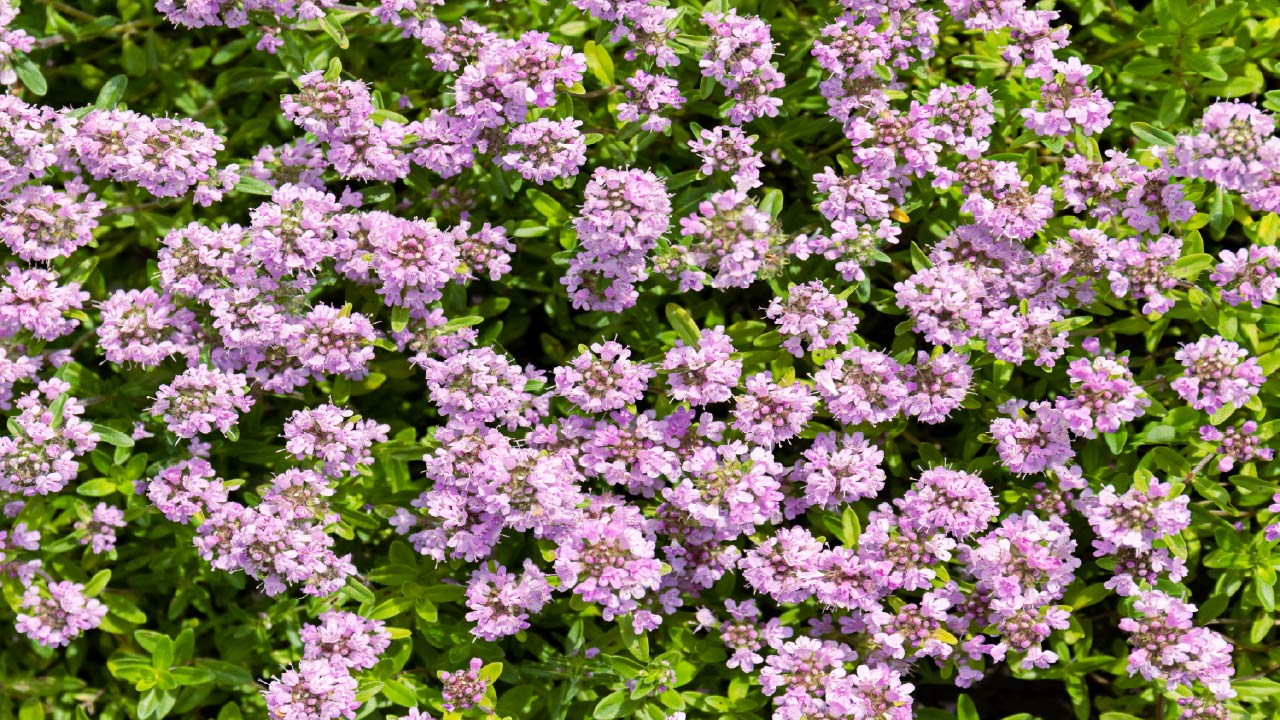
Creeping Thyme (Thymus serpyllum) is a sun-loving, fragrant perennial herb with small lavender flowers that bloom in the heat of summer and produce an evergreen mat of low-growing foliage. Its dense growth blocks sunlight from weeds. There are numerous varieties available in different sizes, some creeping and some upright. The plant produces a carpet of flowers in white, pink, red, or purple colors throughout the summer. The plants' leaves range from dark green to gold to a variety of colors.
Besides their aesthetic benefits, they're sun-loving, pollinator-friendly plants that can handle heavy foot traffic. It is also drought-tolerant once established. Gardeners often grow creeping thyme between steppingstones or as a lawn alternative in low-traffic areas.
2. Moss Phlox
USDA Hardiness Zones: 3 to 9
Sun Exposure: Full sun
Soil Type: Well-drained soil
Moss phlox, also known as creeping phlox, forms a tight mat that strangles weeds and creates a stunning carpet of springtime blooms in blue, pink, purple, or white colors. Once established, the needle-like foliage of this plant produces a dense mat that keeps weeds from emerging.
Moss phlox thrives in hot, dry locations. In full sun, phlox provides a thick carpet of foliage, completely covered with abundant blooms. This groundcover is great for slopes and rock gardens. Its vibrant blooms make it the most visually impressive groundcover plant for sunny gardens.
3. Creeping Jenny
USDA Hardiness Zones: 3 to 8
Sun Exposure: Full sun or partial shade
Soil Type: Neutral, wet
Creeping Jenny is beloved for its vibrant chartreuse foliage that brightens garden beds. Only a few inches tall, this ground cover is a good choice for wet areas in your garden. This low-growing, semi-evergreen plant spreads quickly and forms a thick layer over the soil surface, helping reduce weed germination. This chartreuse charmer spreads like a dream in the ground and in raised beds, providing a bright, golden-green carpet that shines in partial shade to full sun.
Note: Creeping Jenny plant spreads rapidly in some regions and may become invasive. Therefore, make sure to check your local recommendations before planting it and monitor its growth regularly.
4. Sedum
USDA Hardiness Zones: 3 to 10
Sun Exposure: Full sun
Soil Type: Rocky, sandy soil
Sedum, also called stonecrop, is a fantastic choice for dry, sunny landscapes. Sedum comes in plenty of shapes and sizes, but the low-growing varieties are perfect groundcovers for hot, dry slopes where nothing else grows. Low-growing sedum varieties form dense mats that shade the soil and prevent weed establishment. These spreading, mat-forming sedums store water in their fleshy stems and roots, allowing them to thrive in tough conditions where weeds often invade.
5. Lamb's Ear
USDA Hardiness Zones: 4 to 9
Sun Exposure: Full to partial sun
Soil Type: Well-drained soil
Thanks to its fuzzy texture and soft silver leaves, this low-maintenance ground cover is a favorite plant among gardeners. Their large green leaves with a silver finish will add freshness and softness to your garden. Its dense foliage shades the soil, discourages weed growth, and adds unique texture to garden beds. This drought-tolerant perennial works well in sunny borders and cottage gardens.
6. Pachysandra
USDA Hardiness Zones: 4 to 8
Sun Exposure: Full to partial shade
Soil Type: Rich, well-drained soil
Pachysandra is one of the most common ground cover plants that is shade-tolerant, drought-tolerant, and deer- and rabbit-resistant. What's more, their evergreen leaves stay green all year, so they provide year-round interest while reducing maintenance. This classic evergreen groundcover is commonly used in shaded landscapes. It creates a dense carpet of glossy green leaves that effectively smother weeds. Plant these dense, leafy carpets in shaded areas under trees and shrubs, and they'll block weeds.
7. Sweet Woodruff
USDA Hardiness Zones: 3 to 9
Sun Exposure: Full shade
Soil Type: Moist, well-draining soil
If you struggle with weeds in shady areas, sweet woodruff is an excellent low-growing groundcover for shady spots and under trees. It stays green until the snow hits. With bright green, fragrant leaves, sweet woodruff bears clusters of elegant white flowers in spring. They add a woodland garden appearance to your landscape.
8. Ajuga (Bugleweed)
USDA Hardiness Zones: 3 to 9
Sun Exposure: Full Sun to Full Shade
Soil Type: Well-Draining, Average
One of the fastest-growing ground covers, bugleweed creates a compact mat of lush foliage in green, purple, or ruby shades. It spreads quickly and will deter weeds with its dense, overlapping foliage, which blocks sunlight. The evergreen foliage is topped by deep purple or blue flower spikes in mid to late spring. Bugleweed begins to spread after 1 season, with significant growth within 1-2 years. There are several types of bugleweed available that offer variety in leaf and flower color, as well as in the overall size and spread of the plant.
9. Irish Moss
USDA Hardiness Zones: 4 to 8
Sun Exposure: Full Sun to Partial Shade
Soil Type: Well-Draining soil
This low-growing, evergreen perennial forms a dense mat of slender stems that root at the nodes, spreading quickly. Irish moss gets its name from the bright green moss-like leaves and small, lovely white daisy-like flowers.
10. Vinca Minor (Periwinkle)
USDA Hardiness Zones: 7 to 9
Sun Exposure: Full Sun to Partial Shade
Soil Type: Well-draining soil
Periwinkle is another perennial ground cover that forms a dense mat to keep weeds at bay. It tolerates heat well, grows about 6 inches high, and produces blue to violet flowers in the spring. Its trailing stems root as they spread and create a thick weed-blocking mat. This groundcover is highly useful on slopes and difficult-to-maintain areas. It has a rapid growth rate, and its ability to root at the nodes allows it to form a thick mat over a wide area. It can be invasive, so keep a close check on it before it spreads across your garden.
Discover Top 10 Money-Saving Vegetables to Grow in Your 2026 Garden
Tips for Successfully Using Groundcovers to Block Weeds
Even the best groundcovers need proper planting and care during the first growing season. Follow these tips to get the most lush, weed-blocking coverage from your groundcover plants and suppress weeds more effectively.
Start with Weed-Free Soil
Before planting, prepare the soil by removing any existing weeds or grass so your groundcover doesn't have to compete with them later. Loosen the top few inches of soil and add some compost to improve drainage and root growth.
Mulch
You may apply a light layer of mulch around plants. This reduces weed pressure when the groundcover fills in.
Space Plants Correctly
Spacing depends on the plant's variety. Closer spacing causes faster coverage. Proper spacing allows plants to spread efficiently without overcrowding.
Water Well
Water deeply with a drip irrigation system right after planting, and continue watering regularly until your plants are well-established, about the first 4–6 weeks. Once established, many groundcovers become drought-tolerant and only need watering during dry spells.
Match Plants to Local Conditions
You must choose groundcovers based on your hardiness zone, sun exposure, garden location, and foot traffic needs.
Feed Lightly
Groundcovers usually do not need much fertilizer. A light dressing of compost in early spring is enough to encourage growth without overfeeding.
Trim and Tidy as Needed
Some ground covers are fast spreaders and may appreciate a light trim after flowering to encourage dense, even growth. This also keeps the edges neat and tidy.
The Bottom Line
Ground covers are nature's answer to weed barriers. They fill gaps, fight weeds in your garden, and bring year-round color and texture to your landscape, all while saving you time, money, and effort. And don't just think of ground covers as cover-ups. They can also benefit pollinators, stabilize soil, beautify your landscape, and grow where nothing else will. So, whether you need a walkable carpet between walkways, erosion control for a slope, or a lawn alternative, the right groundcover can transform your spaces into beautiful, functional areas.
Start by choosing plants that match your garden's conditions, plant the groundcover correctly, give them time to establish, and enjoy a landscape that looks fuller, healthier, and far easier to maintain throughout the seasons.