
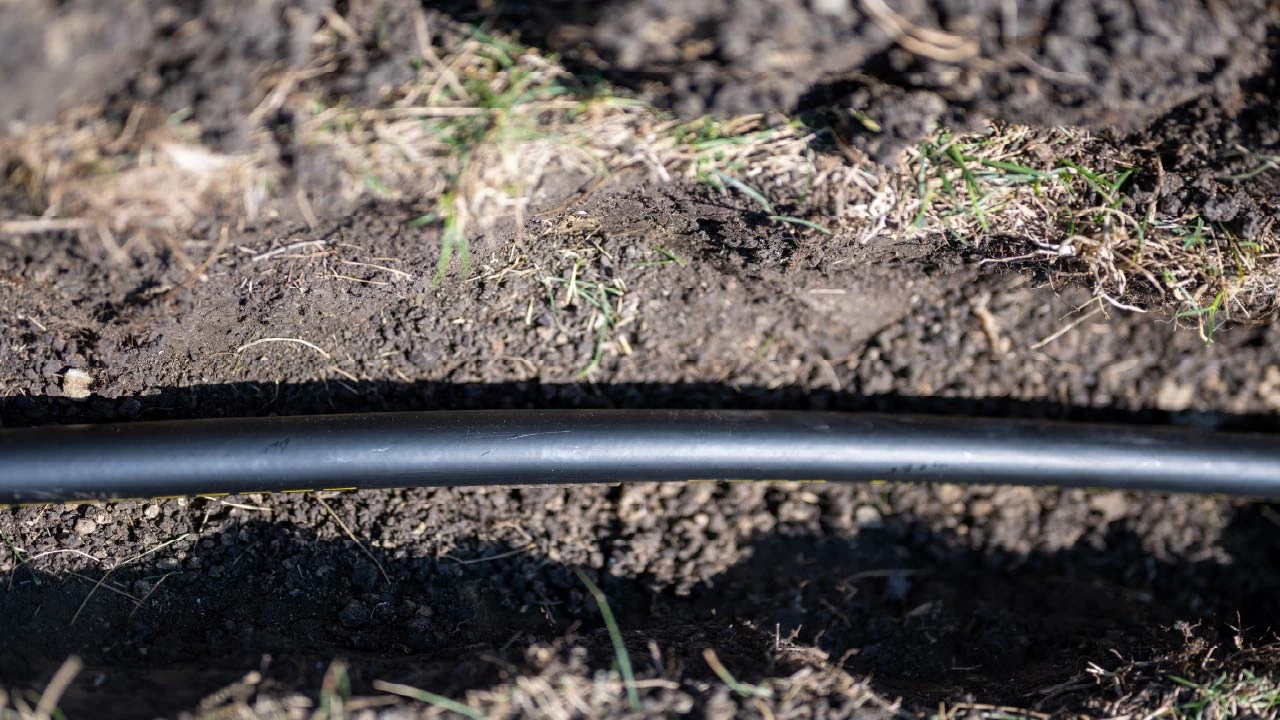
Drip Irrigation: How to Repair Irrigation Hoses
May 6th 2026
Drip irrigation hoses help maintain water-smart landscapes. They deliver water directly to plant roots, conserve water, and help maintain healthy soil conditions. But like any component in your drip irrigation system, hoses can develop leaks, cracks, clogs, or connection issues over time. Most hose problems are simple to fix with essential tools and a little know-how. With a basic toolkit and some patience, you can repair irrigation tubing yourself, no pricey contractor, no long wait times, and no stress.
Fast and proper hose repairs can save water, prevent plant stress, and extend the life of your entire system. Our team at DripWorks will walk you through the complete process for repairing a drip irrigation line.
Importance of Timely Irrigation Hose Repairs
Ignoring a small drip in the tubing today can turn into a costly repair tomorrow. Even a tiny leak can waste hundreds of gallons of water over time and reduce the effectiveness of your irrigation system. Therefore, you should know how to repair a bad section of tubing promptly the next time. Luckily, tubing repair is easy.
Common Drip Irrigation Hose Problems
Here are the most common issues gardeners and landscapers encounter with drip irrigation tubing. You must understand these problems to make faster and more effective repairs.
1. Leaks and Small Holes
Leaks are the most common problem in drip irrigation hoses. Even a small leak in a hose can reduce system efficiency. Most leaks in drip hoses are caused by animal damage, high water pressure, lawn equipment, or aging tubing.
2. Cracks and Splits
Irrigation hoses can also become brittle and develop cracks due to extreme temperatures and other factors.
This can occur due to
- Freezing weather
- Excessive sun exposure
- Poor-quality materials
- Improper storage
- Excessive pressure
3. Clogged Hoses
Clogging is common in older irrigation systems or areas with hard water. They prevent water from reaching plants. Clogs are caused by
- Dirt and sediment in tubing
- Mineral buildup
- Algae growth
- Debris entering the hose.
5. Kinks and Blockages
Kinks restrict water flow and reduce the efficiency of your drip irrigation system efficiency. They usually occur when hoses are bent sharply, buried incorrectly, or when heavy objects are placed on the hose.
Essential Tools You Need to Repair Drip Hoses
Before starting repairs, gather the right tools for your project to save time and ensure a smooth repair process.
- Heavy-Duty, Sharp Pipe Cutter
- Couplers or hose connectors
- Perma-Loc or Compression Fittings
- Goof Plugs
- Replacement tubing
- Gloves
Many of these tools are available in inexpensive DripWorks drip irrigation repair kits.
How to Repair a Drip Irrigation Hose
Follow these simple steps to fix the issue and restore your system.
Step 1: Turn Off the Water Supply
The first thing to do is to turn off the water before starting the repair project. This move is to prevent flooding, stop pressure from pushing the damage further, and allow you to work comfortably.
Step 2: Locate and Inspect the Damaged Area
Move mulch or potting soil carefully from the hose so that you don't add new holes while trying to fix the old ones. Take a moment to inspect the hose and see whether you're dealing with a single issue or the early signs of system wear. Look for cracks, holes, loose fittings, wet soil, or any visible water spray. You may need to run the system briefly to find the exact location.
Step 3: Cut the Damaged Section
Now take your poly tubing cutter from the toolkit to remove the damaged part of the hose. It is important to make a clean-cut perpendicular to the hose. An angled cut won't set properly against the coupler's internal stop and may lead to future leaks.
- Make clean, straight cuts and avoid rough edges.
- Remove at least one inch of damaged tubing.
Step 4: Insert a Coupler
Insert a coupling connector into both ends of the cut hose. Here are the steps to follow:
- Push the tubing firmly onto the connector.
- Ensure a tight and leak-free seal. A tight seal looks clean and secure.
- Secure with hose clamps if necessary.
The tubing should sit firm against the coupling. If water sprays out when you test it, don't worry, just recut the tubing and install the coupler again.
Step 5: Test the Repair
Turn the water back on and check the connection for leaks. If water flows smoothly and no leaks appear, the repair process is complete.
Discover 10 Reasons Why You Should Consider Drip Irrigation for Your Farm and Garden
Repair Small Holes Using Goof Plugs
Goof plugs are the simplest and most effective repair tools for small punctures in tubing. If you accidentally punched a hole in the wrong place or a tiny leak with a tool, this is the best solution to fix it. These plugs are simple, affordable, and effective, perfect for small gardens and large installations alike.
When to Use Goof Plugs
- Small punctures from tools
- Misplaced emitters
- Accidental holes from installation mistakes
Repairing Steps
- Turn off the water supply.
- Remove the damaged emitter if present.
- Push the barbed end of the plug straight into the hole until it locks in place.
- Press firmly until sealed. You should feel a firm snap or resistance to ensure the connection is sealed.
- Turn the water back on and test the repair. It's a quick fix, and one of the easiest repairs you'll ever make in a drip system.
How to Repair Cracked or Split Irrigation Tubing
Cracks usually require replacing a section of tubing. Here are the steps to follow for this repair.
Repair Process
- Turn off the water supply.
- Cut out the cracked section.
- Measure the replacement tubing. Cut a length that matches what you cut out, minus the extra length of the exposed part of the couplers.
- Insert couplers into both ends.
- Secure the connections.
- Test the system.
How to Repair Loose or Leaking Connections
Loose connections are the quickest problems to fix with these simple steps.
- Turn off the water supply.
- Tighten the fitting.
- Replace damaged connectors.
- Use sealant tape on connections for better sealing.
- Turn the water back on.
- Inspect for leaks.
When to Replace a Drip Irrigation Tubing Instead of Repairing It
There comes a point when repairing a hose is not worth the effort, and replacement is the better option. If the tubing is brittle, cracking everywhere, or leaking at several spots, replacement is the smarter, more efficient option. If you have more than three repairs within a 10-foot section of hose, it is more cost-effective to cut out the entire 10-foot section and replace it with a new length of tubing. For large properties or commercial landscapes, a full replacement often saves more money than repeated repair jobs.
Replace the Drip Hose If:
- There are multiple leaks.
- The tubing is brittle or cracked in multiple spots.
- Repairs are frequent.
- Water pressure is inconsistent.
- The hose is more than 5–10 years old.
Important Steps After Any Drip Tubing Repair
Once you have repaired the hose, follow these tips to keep your system running
smoothly.
Flush the Line Before Closing the System
Before sealing everything, open an end cap and let the water run. This clears out debris or soil particles that may have entered the tubing during the repair. This step will prevent clogged emitters later.
Turn on the water supply and inspect for Leaks
Now it's time for the final check. Turn the water on and slowly walk along the hose. Look for bubbling soil, dripping connections, or weak pressure. Catch issues now, so you won't have to troubleshoot in the middle of the busy spring season.
Best Practices to Prevent Future Damage to Your Drip System
- Inspect hoses monthly.
- Keep hoses out of direct sunlight.
- If you want fewer repairs, bury it lightly or cover it with mulch.
- Install high-quality pressure regulators to prevent inconsistent water pressure.
- Use filters to prevent debris buildup in the system.
- Avoid stepping on the tubing.
- Protect hoses from heavy lawn equipment.
- Replace worn components promptly.
- Winterize your drip system.
The Bottom Line
Drip irrigation hoses are a smart investment in the future of your soil and the health of your plants. When they develop clogs, leaks, or cracks, quick repairs can prevent water waste, protect your plant health, and maintain system performance. Hose repairs are simple, inexpensive, and easy to do with basic tools. Tiny holes can be easily plugged, bigger cracks can be fixed with couplings, and old tubing can be replaced quickly. So, master these simple repair techniques to keep your system running smoothly and create a thriving place.
DripWorks provides gardeners with quality drip irrigation solutions that make every growing space more productive. Our drip irrigation systems deliver moisture efficiently to plant roots, helping you conserve water while supporting healthier growth. We offer a complete lineup of sprinkler systems,misting systems, and irrigation controllers, giving you flexible irrigation options for everything from raised garden beds to greenhouses.