
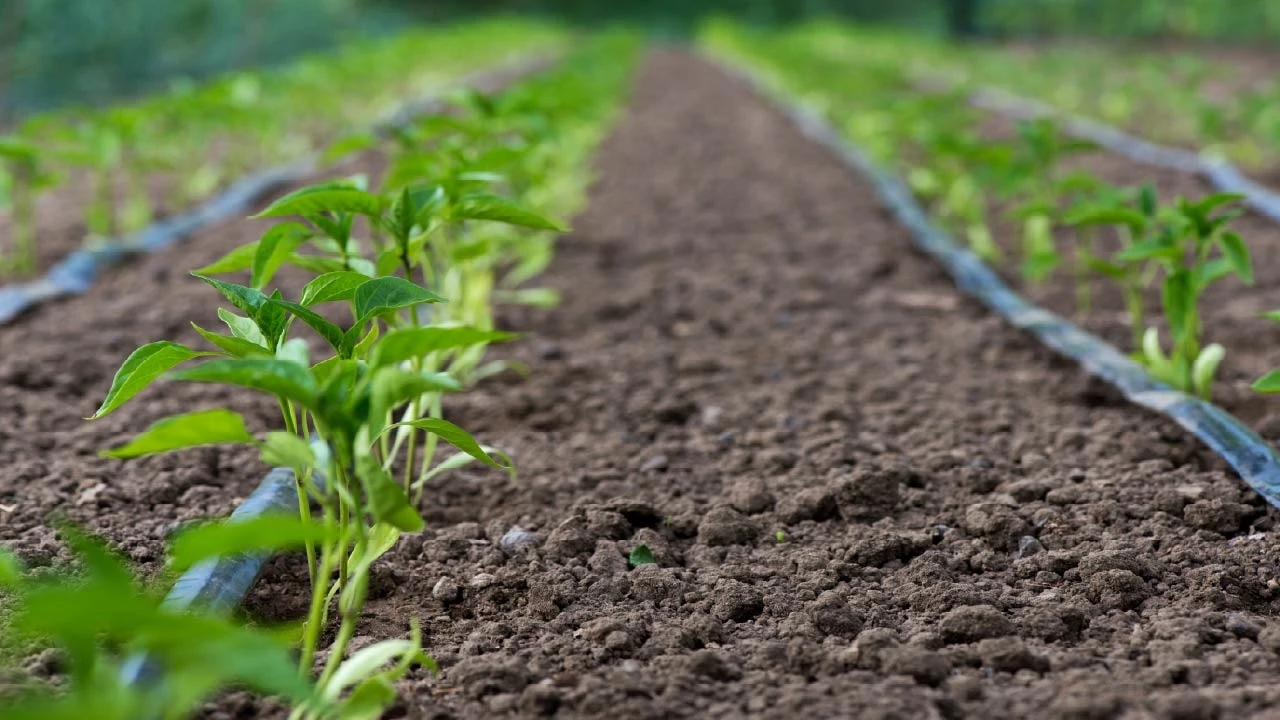
Drip Irrigation: How Does It Help Your Plants Survive in the Summer
Aug 26th 2026
Summer, heat, and drought can be the toughest time for a gardener. A few days of intense heat can turn healthy leaves limp, dry out containers overnight, cause vegetables to drop flowers, and leave shallow-rooted plants struggling to recover. The problem isn't always that plants need more water in heat, but that they need it delivered better. Choosing the right irrigation method helps you water summer crops properly while saving as much water as possible. That is where drip irrigation can make a major difference in summer.
Drip irrigation is the most effective way to keep vegetables, flowers, shrubs, and fruit trees alive through intense summer heat. By delivering water directly to plant roots at low pressure and low volume minimizes water loss while keeping root networks hydrated and cool.
For gardeners across the hotter regions from the high desert of Arizona to the humid parts of Texas and the hot valleys of California, drip irrigation has become one of the most efficient ways to keep a garden fresh and thriving. If you are a gardener or farmer looking for a way to get through summer heat without losing crops, this blog will help. Let's find out how it works, why it matters so much in summer, and what you need to know to make it work in your own yard.
How Drip Irrigation Helps Plants Survive Summer Heat
The goal of summer watering is not to keep the soil constantly wet. It is to maintain enough moisture in the root zone so plants can continue taking up water without repeatedly going through severe dry periods. This is exactly where drip irrigation has an advantage.
To understand why drip irrigation excels in hot weather, let's look at how it helps plants below the soil surface when temperatures soar.
It Delivers Water Directly to the Root Zone
Roots do the real work. When overhead sprinklers throw water into the air on a 95°F Day, high heat and humidity evaporate much of that water instantly. Water that falls on plant leaves often evaporates before it reaches the soil.
When a drip system delivers water directly to the soil around the root zone, rather than the surface or foliage, plants absorb it far more efficiently. Water loss to wind drift or evaporation is minimal because it never has a chance to become mist.
This targeted delivery means that even during a heat wave, your plants get water precisely where they need it most. The water goes deep enough to reach active roots, not just the top inch of soil that dries out within hours.
It Encourages Deeper, Stronger Root Growth
Drip irrigation applies water slowly over a longer period, so moisture has time to soak downward into the soil without running off or pooling on the surface. Over time, this trains plant roots to grow deeper in search of that consistent moisture. Deep roots are drought-resilient roots.
A plant with a strong, deep root system can reach cooler, moister soil layers during intense heat. It makes the plant more resilient than a shallow-rooted plant that depends entirely on moisture near the soil surface. A stronger, more established root system can give plants a better chance of handling periods of heat and dry weather.
It Maintains Consistent Soil Moisture Levels
Extreme moisture swings between dry and soaking-wet soil stress summer plants. This water inconsistency weakens plants, encourages blossom-end rot in tomatoes and peppers, and makes fruit split. Fluctuating soil moisture can contribute to many plant problems. Consistent moisture is especially important for summer crops such as tomatoes, cucumbers, peppers, squash, melons, beans, strawberries, and leafy greens.
When a drip system is paired with an irrigation timer, it applies water in small, consistent amounts at the set time without any delay. This keeps the soil moisture level stable around the roots.
It Reduces Water Loss from Evaporation
Overhead sprinkler systems lose a lot of water to evaporation, especially when run during the heat of the day or on windy afternoons. Since drip irrigation applies water at soil level under any mulch you have in place, evaporation loss drops significantly.
Studies from several agricultural extension offices cite drip irrigation as up to 30–50 percent more water efficient than traditional sprinkler systems. In summers when water bills spike and some regions impose restrictions, this efficiency benefits your plants, your wallet and your community's water supply.
It Keeps Foliage Dry to Stop Disease Outbreaks
Fungal pathogens like powdery mildew, early blight, and leaf spot thrive when leaves stay wet in warm, humid weather. Drip irrigation targets the soil rather than the plant's foliage, so leaves stay dry and disease risk drops.
It Reduces Weed Growth
Weeds germinate and thrive when broad areas of soil are kept moist, which happens with overhead watering. Drip irrigation waters only the area around your desired plants and leaves the spaces between rows drier. Fewer weeds mean less competition for the water and nutrients your plants need most during stressful summer months.
It Saves You Time and Reduces Burnout
Hand-watering a garden by dragging a hose every single day during a heat wave is exhausting, and it's one of the top reasons many gardeners give up on vegetable gardening.
An automated drip system automatically waters your garden whether you're at work, or on vacation. You can program your irrigation controller to run in the early morning.
This feature is especially valuable during a heat wave, vacation, or busy period when missing even a few watering sessions could seriously stress sensitive plants.
The Best Drip Irrigation Systems for Raised Beds, Gardens, and Row Crops
What Plants Benefit Most from Drip Irrigation in Summer?
Almost any landscape or garden plant can benefit from efficient root-zone watering when the system is designed correctly. But here's a closer look at the plants that benefit most from this irrigation system.
Vegetable Gardens
Vegetables often use a lot of water during the growing season. Tomatoes, cucumbers, squash, peppers, and melons need consistent moisture when they are actively growing and producing fruit. Drip irrigation in the garden delivers water deep into the root zone along rows or to individual plants, helping produce healthy plants and greater harvests.
Raised Beds
Raised beds drain faster than in-ground gardens. Their elevated soil also warms up quickly during summer. So, a raised bed drip irrigation system is the most efficient choice for watering these crops. A dripline installed across the raised bed provides even, targeted watering without the daily chore of hand watering.
Top 5 Drip Irrigation Systems for Raised Garden Beds
Container Plants
Containers can dry out extremely quickly in summer. A drip emitter system can provide regular moisture to individual pots, hanging baskets, or container gardens.
How to Install Drip Irrigation for Containers and Hanging Baskets
Flower Beds
Annual flowers have relatively limited root systems and may quickly show signs of drought stress. A drip system can help maintain more consistent soil moisture while keeping flowers and foliage from being repeatedly soaked.
Trees and Shrubs
Young trees and newly planted shrubs are highly vulnerable during their first few growing seasons. A properly positioned drip system is the best irrigation option for slowly soaking the root zone and providing deeper watering than a quick hose spray.
How to Set Up Drip Irrigation for Maximum Summer Benefit
If you're new to drip irrigation or want to optimize an existing setup for summer conditions, follow these tips to keep your drip irrigation running smoothly and protect your summer crops.
Mulch Around Plants and Drip Lines.
Drip irrigation works best with a thick layer of organic mulch. A 2–3-inch layer of organic mulch traps the moisture that the drip system delivers and slows evaporation even further. Keep mulch 2 inches away from main plant trunks to prevent bark rot.
Water Early in the Morning.
Even with drip irrigation, running your system between 5 and 8 a.m. is highly recommended. Early morning irrigation reduces evaporation loss and gives plants moisture before the heat of the day hits.
Adjust Run Times Seasonally.
Summer requires longer or more frequent watering cycles than spring or fall. Change the run time and watering frequency settings on the timer based on the summer season and plant needs.
Check Emitters Regularly.
Mineral scale and fine soil particles can clog small emitter openings. Heat and mineral buildup can clog emitters faster in summer. Walk your zones while the system runs, inspect all emitters, and clean clogged emitters. A quick monthly inspection helps you catch dry spots before they become problems.
Flush the Lines Monthly.
Warm water encourages bacterial slime and algae growth inside lateral tubing. Flush the system monthly to remove accumulated debris.
Group Plants by Water Needs.
Divide your plants into various zones based on their high, low, or moderate watering needs. Keep thirsty plants like squash and cucumbers on a different line than more drought-tolerant plants like herbs or succulents.
How to Plan Drip Irrigation Zones for Different Plant Water Needs
Use a Timer.
A simple hose-end timer ensures your plants receive consistent watering even when you forget or are away from home. If you have a large garden, consider investing in a smart controller to benefit more from this smart irrigation system.
Protect Exposed Tubing.
Direct sunlight can heat water inside tubing, which can scald shallow roots when the system turns on. Cover mainline tubing under 2–3 inches of organic mulch or soil.
Use Shade When Necessary.
Temporary shade cloth can help protect sensitive plants during extreme heat. Use lightweight row covers or shade cloth during peak hours to cover leafy greens and young transplants.
Test Soil Moisture Before Watering More.
Stick a finger 2–3 inches into the topsoil near the root zone. If it's still moist, don't increase watering, even in extreme heat. If it's dry, it's time to water.
Is Drip Irrigation Worth It for Home Gardeners?
Absolutely yes. Drip irrigation is the most efficient, modern way to water vegetables, herbs, and trees without losing water. The upfront cost of a system will pay for itself within a season or two through water savings, reduced plant loss, and significantly less time spent watering by hand.
Besides, there's something deeply satisfying about walking outside on a scorching afternoon and seeing tomatoes still standing tall, basil still green, and peppers still setting fruit.
How Often should I Run my Drip Irrigation System in Summer?
Run times depend on your emitter output, soil type, local weather conditions, and plant demands. Most gardens benefit from daily watering during peak summer heat, for 30 to 60 minutes depending on soil type and plant needs.
You should consider your garden soil. Sandy soil drains faster and may need more frequent, shorter cycles. Clay soils hold moisture longer and need less frequent watering.
Monitor soil moisture regularly and adjust your schedule as temperatures and rainfall change, rather than relying on one fixed schedule all season.
Check out this helpful guide for a detailed answer.
How Long to Run Drip Irrigation for a Vegetable Garden
The Bottom Line
Summer doesn't have to mean sacrificing your thriving garden to the heat. Your plants just need moisture at the right depth, in the right amount, and at the right frequency to survive the heat. A well-designed drip irrigation system gives you much greater control over all three. Drip irrigation works with your plants' needs, encouraging deep roots, maintaining steady soil moisture, reducing disease and weeds, and doing it all while using a lot of less water than sprinklers or hand watering.
Check your soil, watch your plants, inspect your emitters. Then adjust your schedule as temperatures, rainfall, and plant growth change. With these practices, your garden will stay productive and attractive throughout the hottest part of the year.
Explore DripWorks quality drip irrigation products and ready-to-install kits to build a system that helps your garden stay healthy, hydrated, and productive all summer long.