
5 Common Drip Line Problems and How to Resolve Them
May 29th 2026
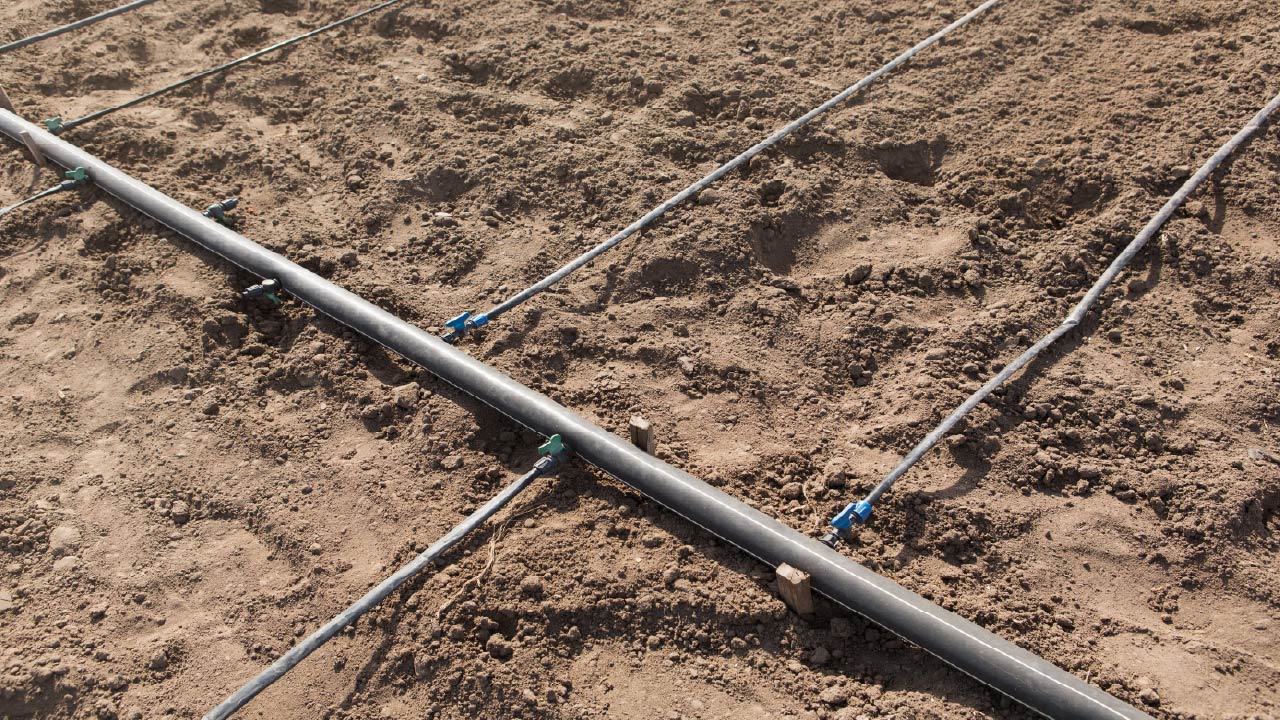
Drip lines are the main component of a drip irrigation system responsible for precise, efficient water delivery. This flexible tubing delivers water directly to plant roots via built-in emitters along its length. When drip lines function properly, they drip consistent moisture, reduce water waste, and support healthy plant growth. However, like any irrigation system, drip lines can experience some issues over time, such as clogging, leaks, pressure problems, and root intrusion, which can affect performance.
When problems develop within the drip line, plants can suffer from stress, disease, or uneven growth. Most issues arise from physical wear, environmental exposure, installation errors, or maintenance gaps. When these problems go unchecked, plants may receive too much or too little water, leading to poor growth and wasted resources.
The good news is that you can prevent and fix most of these drip line problems once you know what to look for. In this drip irrigation guide, we will explore common drip line problems that must be addressed quickly, explain why they happen, and provide solutions to keep your drip irrigation system running smoothly all season long.
1. Clogged Emitters in Drip Lines
Clogging is the most frequent problem affecting drip irrigation systems. Emitters in drip lines release water through very small openings, which can be easily blocked by debris, sand, mineral deposits, or algae. This affects the drip line's performance, reducing or completely stopping water flow to plants and crops.
You'll notice this problem when a certain area of your garden looks stressed while the surrounding plants thrive. If you dig a few inches into the soil under a clogged emitter and find it super dry, you have a clog.
Common Causes of Clogged Emitters
- Sediment or dirt entering the line through the water supply.
- Hard water mineral buildup.
- Algae or bacterial growth inside the tubing.
- Fertilizer residue accumulated in the system.
- Inadequate filtration.
Warning Signs to Look for
- Uneven plant growth.
- Dry spots in the garden.
- Reduced water flow from emitters.
- Plants are wilting despite regular irrigation.
- Some sections of the drip line are not releasing water.
- Slow or inconsistent dripping.
- Uneven soil moisture along the drip line.
How to Fix and Prevent Clogging
- Install a high-quality filter at the entry point of your irrigation system.
- Flush drip lines at the start and end of the season.
- Install pressure regulators to maintain proper pressure throughout the system.
2. Inconsistent Water Pressure
Drip line irrigation systems can often experience water pressure issues. If the water pressure is too high, it can pop off the fittings and risk damaging the drip lines. With too low water pressure, drippers may spray instead of drip, resulting in insufficient watering for plants.
Low Water Pressure
Low water pressure reduces the effectiveness of a drip irrigation system. When pressure drops, emitters don't release enough water to reach plant roots.
Common Causes of Low Pressure
- Clogged filters
- Leaks in the system
- Long drip lines
- Faulty pressure regulator
Signs of Low Pressure
- Weak or slow water flow.
- Drip emitters barely releasing water
- Inconsistent watering coverage
- Uneven plant growth, thriving plants near the water source, and dying plants at the end.
How to Fix and Prevent Low Pressure Problem
- Clean filters regularly.
- Check for leaks in the drip line.
- Choose drip line sizing based on your plants' needs and the system's capacity.
- Divide the large system into smaller irrigation zones.
High Water Pressure
Low pressure can reduce system performance, but high pressure can be even more damaging. Too much pressure can cause emitters to burst, drip tubing to crack, and connections to fail. Also, if left unchecked for long, high pressure can cause system failure.
Common Causes
- Missing pressure regulator
- Incorrect system design
Signs of High Pressure
- Frequent leaks in tubing
- Emitters spraying or misting rather than dripping
- Fittings frequently leaking or disconnecting
- Drip lines popping off connectors
How to Fix and Prevent High-Pressure Problems
- Install a pressure regulator. Never connect a drip system directly to a house spigot without a regulator.
- Monitor system pressure regularly.
- Use pressure-rated tubing and pressure-compensating (PC) emitters, especially in sloped landscapes. PC emitters are designed to deliver the same amount of water regardless of pressure from 15 PSI or 45 PSI.
- Replace damaged fittings and drip line promptly.
3. Uneven Water Distribution
Uneven watering is a common drip line problem that affects plant health and landscape appearance. Some plants may receive too much water while others receive too little, leading to drought stress.
Common Causes
- Blocked emitters
- Incorrect emitter spacing
- Pressure differences along the drip line
- Sloped landscape
- Improper system design
Signs of Uneven Water Distribution
- Yellowing leaves and stressed plants
- Plants growing at different rates
- Water pooling in certain areas
- Dry soil patches
- A swampy smell when you dig into the soil
How to Fix and Prevent Uneven Watering
- Use pressure-compensating emitters.
- Use a high-quality drip line of appropriate size.
- Install pressure regulators
- Design multiple zones based on plant type and water requirements.
- Monitor soil moisture regularly.
- Perform the finger test. Before the next watering, stick your finger 3-4 inches into the soil. If it's still cool and moist, skip the watering.
- Install a quality multi-station timer with a rain sensor or soil moisture sensor. This ensures your plants receive water only when they need it, saving water and preventing root rot.
4. Leaks and Breaks in Drip Line
Drip lines are often placed on the surface or under a thin layer of mulch, making them highly vulnerable to physical damage. Wear, UV exposure, rodents, and even environmental stress can cause the tubing to break or leak. Also, cracks or splits in drip lines are common, especially in older tubing. These openings allow water to escape before it reaches the plants.
Even a small leak can waste significant amounts of water over time and reduce system efficiency. Cheap, non-UV-rated tubing will become brittle and crack after a single summer in the sun.
Common Causes
- Aging or brittle tubing
- Freezing temperatures or high sun exposure
- Physical damage from tools or lawn equipment
- Animal chewing
- Excessive bending or stretching
- High internal pressure
Signs
- Visible water spraying from the line
- Sudden drop in water flow
- Wet or muddy areas around the drip line
- Sudden rise in water bills
- Brittle or stiff tubing
How to Fix the Cracked Drip Line
- Cut out the damaged tubing part.
- Install a repair connector.
- Replace severely damaged lines with a high-quality one.
Prevention Tips
- Use high-quality, flexible tubing from a reliable brand.
- Cover your drip lines with 2-3 inches of organic mulch. This protects against extreme temperatures.
- Avoid sharp bends during installation.
- Replace old tubing every few years.
- Inspect drip lines regularly for damage.
- Replace worn or cracked tubing.
- Use repair couplers to fix small holes.
- Always keep a stock of goof plugs to seal accidental holes and couplers to connect cut lines.
5. Root Intrusion into Drip Lines
This is another big dripline problem many landscapers face. Plant roots naturally grow toward water sources. Over time, these roots can enter the drip line emitters or small openings, blocking water flow.
This issue is common in buried drip lines near trees and shrubs, as well as in gardens with aggressive root systems.
Common Causes
- Continuous moisture around emitters
- Large root systems
- Old or worn tubing
- Lack of root barrier
- Poor installation depth
Signs of Root Intrusion
- Sudden drop in water flow
- Blocked emitters
- Some plants showing water stress
- Roots visible near irrigation lines
How to Fix and Prevent Root Intrusion
- Flush the drip line.
- Install drip lines slightly away from large roots.
- Install root barriers in problem areas.
- Inspect drip lines occasionally.
- Replace aging tubing.
- Remove and replace affected sections.
When to Replace Your Drip Lines
Even with proper maintenance and care, drip lines eventually wear out after some years. You should know when to replace them to avoid system failure and protect your landscape. Below are signs showing it's time to replace your drip lines.
- Frequent leaks or repairs
- Brittle or cracked tubing
- Repeated clogging issues
- Uneven watering
- Tubing older than 5–10 years
Seasonal Maintenance Tips for Drip Irrigation Systems
Below are some seasonal tips every landscaper should follow to keep their drip lines working throughout the growing season and save stress.
Spring
- Inspect tubing for visible cracks or leaks.
- Flush the irrigation system at the start of the season.
- Check filters and pressure regulators for any damage.
- Test drip lines for uniform water flow.
- Repair damaged components before restarting the system.
Here are Drip Irrigation System: Spring Garden Tasks and Tips
Summer
- Monitor soil moisture regularly.
- Check for clogged emitters.
- Inspect lines regularly for sun damage.
- Adjust watering when temperatures rise.
Fall
- Flush drip lines before winter.
- Clean the filters.
- Inspect system components.
- Repair leaks.
Winter
- Drain water from drip lines.
- Store sensitive components indoors.
How often to flush your drip lines?
Drip lines should be flushed at least once at the start of the growing season and at the end of the season. Flush the system periodically throughout the year, especially if the water quality is poor.
How long do drip lines last?
Most drip lines last 5 to 10 years, depending on material quality, sunlight exposure, and maintenance.
Can drip irrigation lines be repaired?
Yes. You can quickly repair small leaks or damage using connectors or couplers. However, if the line is severely damaged or old, it's better to replace it.
Also Read: When Should You Replace Your Drip Irrigation System? Upgrade or Replace
The Bottom Line
Drip irrigation is a smart investment in your landscape that can significantly boost your yields. They are durable, efficient tools for watering plants, but they are not immune to wear and damage. Most drip line problems, such as clogging, cracks, punctures, root intrusion, and disconnections, develop slowly but can be fixed easily when detected early. With seasonal maintenance, proper installation, and timely repairs, you can create a smart drip irrigation system that delivers the best performance for many years.
Keep your filters clean, your pressure balanced, and your drip repair kit handy, and your garden will reward you with a lush, efficient, and sustainable growing season.
DripWorks Irrigation store is a trusted name among retailers of drip irrigation systems in the United States. Our wide range of drip irrigation products from top brands helps you grow smarter and more. Explore our comprehensive range of drip irrigation kits, designed to meet the needs of every garden.