
10 Plants to Grow in August for a Late Summer Garden
Aug 18th 2026
August offers a prime time to refresh your garden beds before temperatures drop. While tomatoes ripen, flowers bloom rapidly, and lawns deal with heat, you still have plenty of time to put new plants in the ground. Warm soil helps greens, root crops, cold-tolerant crops, and perennial roots establish quickly, setting the stage for abundant yields and vibrant blooms that last well into fall.
In August, many local nurseries offer discounts on premium perennials and cool-season seeds. So, it is one of the best, budget-friendly times of the year to plant a late-summer garden and revitalize your landscape. Depending on your region, August can also be the best time to establish ornamental plants and fall-blooming perennials.
Here are 10 of the best plants to grow this month that reward you with strong growth, minimal fuss, and a genuinely satisfying harvest or bloom later in the season.
Bush Beans
Bush beans are one of the most underrated August crops. They mature quickly, in 50 to 60 days, making them perfect for a second planting once you've harvested your spring beans.
Unlike pole beans, bush beans don't need trellis. They're a low-maintenance option for gardeners who want a fast, reliable harvest before frost.
Beans Planting Tips
- Choose a fast-maturing variety like Provider or Contender.
- Water beans consistently with a garden drip system because they are sensitive to drought stress during pod formation.
- Succession plants every two weeks through mid-August for a regular harvest.
Radishes and Turnips
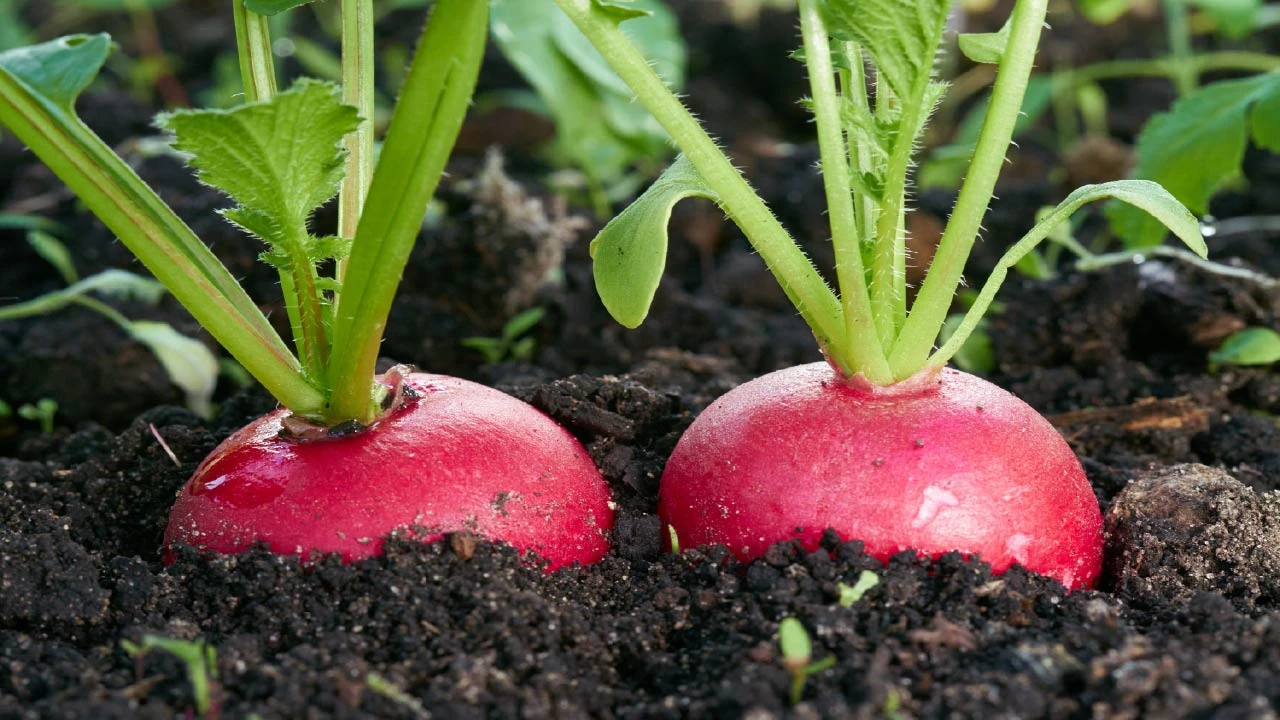
If you want quick harvests, radishes are the best choice. They are one of the easiest and fastest vegetables to plant in August. Many radish varieties mature quickly in as little as 25 to 30 days, making them one of the fastest crops you can plant in August and still harvest before the first frost. Varieties like 'French Breakfast' or 'Cherry Belle' can go from seed to salad bowl in as little as 22 to 30 days.
Turnips also deserve a place in your late-summer garden. August is also the prime month to plant fall-maturing Purple Top White Globe turnips. Turnips can be useful when you have space in a raised bed after harvesting an earlier crop. Radishes and turnips are excellent crops for metal raised beds and small gardens because they take up little space and mature quickly.
Planting Tips:
- Once seedlings emerge, thin radish seedlings to 2 inches apart and turnips to 4 inches apart. Crowded root crops will produce lush green tops but small, distorted bulbs.
- Give plants consistent, even moisture. Fluctuating soil moisture can cause root crops to split open or turn unpleasantly spicy.
Learn how to grow Radish in your garden.
Kale and Collard Greens
Kale and collards are among the most reliable crops for a productive late-summer and fall kitchen garden. Few plants handle the transition from summer heat to fall chill as gracefully as kale. In fact, kale planted in August performs better than spring-planted kale because it avoids the early bolting that warm spring weather can trigger.
Depending on your zone and variety, August-planted kale can provide a harvest before winter or continue producing after temperatures drop. A little frost in October or November sweetens the leaves.
Planting Tips
- Direct sow or transplant seedlings for a head start.
- Space plants 12 to 18 inches apart to allow for mature growth.
- Harvest outer leaves continuously to encourage new growth from the center.
- Inspect plants for imported cabbageworm caterpillars in August. Protect young seedlings with lightweight floating row covers.
Learn how to grow kale in your garden.
Spinach
Spinach is a classic cool-season green, and August is the best time to start it for a fall harvest. Spring spinach can struggle as temperatures rise and days get longer. It germinates poorly in hot soil, so many gardeners wait until late August, when overnight temperatures start to dip, to get the best germination rates. By August, shortening days and cooler weather can create better conditions for a fall crop.
Planting Tips
- Choose a bolt-resistant variety such as Bloomsdale or Tyee.
- Provide afternoon shade during a heat wave.
- Keep soil moist. Inconsistent watering encourages premature bolting.
Broccoli
This is another perfect summer-to-fall crop that sprouts in the late summer and is ready to harvest by autumn. It is a versatile addition to many dishes. Use its nutritious and delicious florets in everything from fresh salads to casseroles.
Broccoli grown for a fall harvest produces tighter, more flavorful heads than spring broccoli because it doesn't have to deal with rising temperatures.
- If you start transplants in August, it sets the plant up to mature during the cooler days of September and October. Use transplants rather than seed if your growing window is tight. Use seeds if your season is long enough.
- Space broccoli plants 18-24 inches apart for proper head development.
- Watch for cabbage worms, which are very active in late summer.
Top Drip Irrigation Systems for Vegetable Gardens
Black-Eyed Susan's
Shifting from edibles to ornamentals, few plants represent late-summer landscapes better than black-eyed Susans. Black-Eyed Susan bloom beautifully from August straight through October. Their gorgeous blooms feature daisy-like golden-yellow petals surrounding a prominent dark brown center cone.
- Highly drought-tolerant once established.
- Exceptional seed heads that feed goldfinches and native songbirds in your garden throughout winter.
- They are resistant to deer and rabbits due to coarse, hairy foliage.
Asters
Asters are one of the best flowering plants for a late-summer and fall garden. To create a late-season haven for native pollinators, grow asters. Ranging from vibrant violet and indigo to cool magenta and pink, asters produce abundant blooms in late August. Their star-shaped flowers in purple, pink, and blue add beautiful color right when many summer perennials start to fade.
Planting Tips for Asters:
- Plant in full sun for the strongest bloom production.
- Trim back growth in early August to encourage bushier plants.
- Water deeply but infrequently with a drip system to encourage strong root development before fall.
Mums (chrysanthemums)
August is also a good time to plant mums (chrysanthemums), especially if you buy established plants from a nursery. Mums are valuable plants because they provide bright fall color when many summer flowers are starting to fade. For landscapers, they are an easy, high-impact way to refresh container plantings and entryway displays without a major redesign. Planting them in late summer gives their roots enough time to establish before the cooler weather arrives.
Planting Tips:
- Plant in well-draining soil, as mums are prone to root rot in soggy conditions.
- Choose a sunny location.
- Trim buds until early August if you started with spring plants, then let them bloom.
- Divide overcrowded clumps every two to three years for continued growth,
Coneflowers
While Purple Coneflowers start their display in July, August is an ideal month to plant mature, container-grown specimens. Planting them now gives them a head start on building a strong taproot system for the following spring.
Coneflowers are also a low-maintenance, drought-tolerant perennial once established. This plant is a smart long-term investment for both home gardens and larger landscape projects.
Planting Tips:
- Choose a sunny, well-draining location because coneflowers dislike wet soil.
- Water regularly during the first few weeks to support root establishment.
- Leave seed heads standing through winter to feed birds and support next year's self-seeding.
Marigolds
Don't miss the classic Marigold for a late-summer punch. In August, you can plant fresh nursery flats or sow direct seeds of French or African Marigolds. If your area still has several weeks of warm weather ahead, planting in August gives you plenty of time to enjoy their colorful blooms before the first frost.
Marigolds thrive in late summer's warmth and produce rich shades of burnt orange, deep red, and yellow that match autumn color palettes.
Why Marigolds Work in August
Marigolds make excellent companion plants in edible gardens, attract pollinators, benefit plants, and provide bold color when many summer flowers begin to slow down. Once planted, they'll happily keep pumping out cheerful blooms until the first hard frost with very little fuss.
They are perfect for vegetable gardens as colorful companion plants, raised beds and borders, containers and window boxes.
Other Fall-Blooming Native Perennials
August isn't only about vegetables. If you're a landscaper or ornamental gardener, consider adding other fall-blooming native perennials to keep your landscape attractive after many summer flowers begin fading.
Plants such as goldenrod, ironweed, geranium, verbena, Japanese anemone, and other native perennials can add late-season color while providing nectar and pollen for pollinators.
Fall-blooming native perennials can provide important pollen and nectar late in the growing season, helping support pollinators before winter.
Note: When selecting plants, prioritize species native or well adapted to your local conditions rather than choosing strictly based on appearance.
Top 10 Early Blooming Perennials to Brighten Up Your Flower Beds
What to Consider Before Planting in August
The biggest mistake gardeners make with August planting is treating the entire country as if it has one climate. It doesn't. An August planting date that works beautifully in Minnesota may be completely unfit in southern Florida.
A gardener in Arizona may need to handle extreme heat, while another in the Pacific Northwest may already be thinking about falling crops. So, consider these essentials before planting anything.
Know Your First Frost Date
Your average first frost date matters when planning a fall vegetable garden. Compare the date with the number of days your chosen variety needs to mature. University of Minnesota Extension recommends using the average first frost date when deciding whether late-season crops have enough time to mature.
Know your frost date and count backward from your average first frost using each plant's days-to-maturity to make sure you have enough runway.
Don't Ignore August Heat
August heat can be intense. New seedlings have small roots that can dry out quickly. If temperatures are high, provide consistent irrigation with a drip system and consider temporary shade for newly planted crops.
Prepare Soil Before Replanting
If you are planting tomatoes, beans, cucumbers, peppers, or other summer crops, don't just drop new seeds into the old soil.
Get a trowel and remove spent plant material and weeds from your garden beds. Loosen up compacted areas, add organic matter, and replenish nutrients based on the needs of the next crop.
Protect New Plants from Weather
August planting can mean intense heat at planting time and frost just weeks later.
Keep row covers, shade cloth, or other season-extension materials available. Spinach and other tender greens can benefit from protection when freezing temperatures arrive.
Tips for August Planting Success
Planting at the right time in August makes a real difference in how well these plants perform. Planting during the heat of August requires a slightly different approach than spring planting. Follow these landscape maintenance rules as you get started to help your plants survive.
- Water Deeply: August planting needs water more, not less. Even heat-tolerant seedlings need consistent moisture to germinate and establish in warm August soil.
- Upgrade to Drip Irrigation: Overhead sprinklers lose up to 30-50% of their water to evaporation during high late-summer heat and wind. Switch to a water-efficient drip irrigation system. This targeted system delivers water directly to the root zone with minimal waste and keeps leaves dry to prevent fungal diseases.
- Mulch generously: A two-inch layer of mulch helps regulate soil temperature and reduces water loss during the last hot weeks of summer.
- Provide temporary shade: Protect young seedlings from heat waves. Install a shade cloth or row cover to protect young plants during the hottest part of the day.
- Feed lightly: Give a balanced, slow-release fertilizer at planting time. Feeding at this time gives new seedlings the nutrients they need without making excessive, heat-stressed growth.
Month-by-Month Garden Checklist: What to Do All Year Long
The Bottom Line
August is not the end of the gardening season, and it is the month when you start transitioning from a summer garden into a new fall garden. As we said above, timing is everything at this point. Check your first frost date, consider how many days remain in your growing season, choose varieties with suitable maturity times, and water properly while August temperatures remain high. This approach will keep your garden beds productive, add seasonal interest to the landscape, support pollinators, extend the harvest, and make the transition more rewarding.
Combine hardy late-season perennials such as asters with colorful cool-season crops in your raised beds to keep your garden vibrant and productive well into autumn. With a little planning and a trowel and gloves, you can extend the harvest, support pollinators, and enjoy blooms long after summer's peak.