
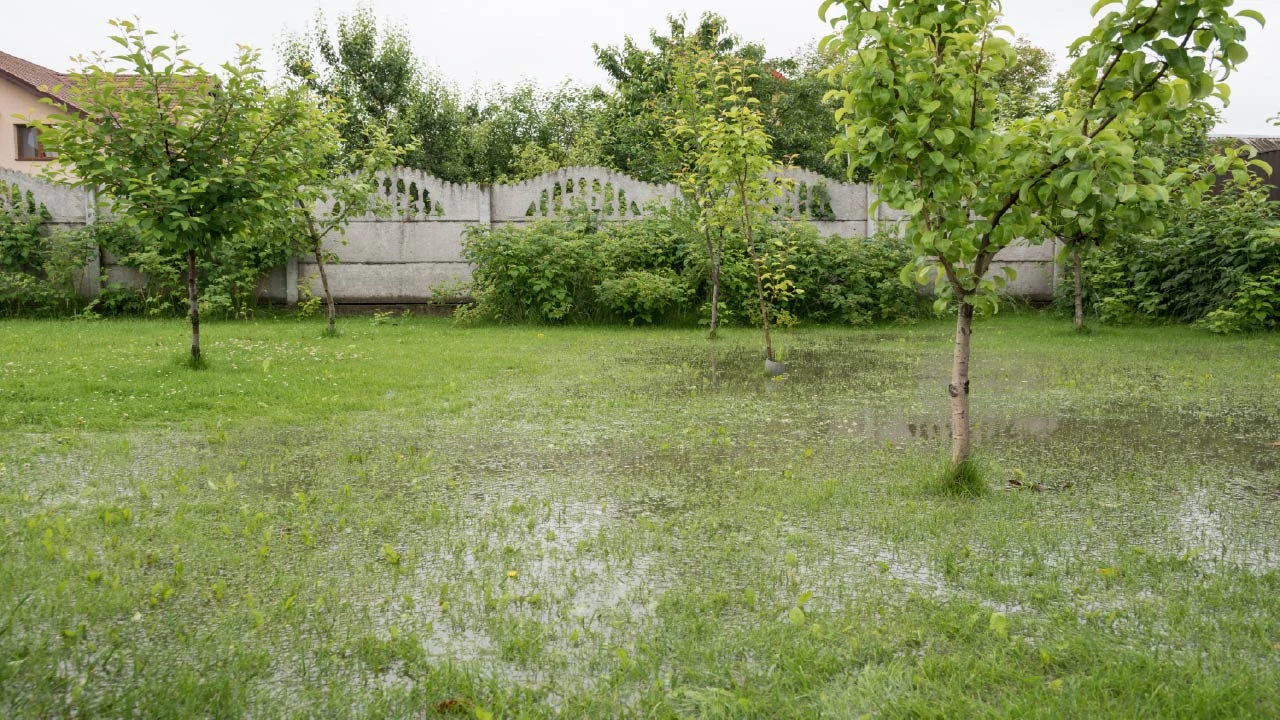
Tips to Prepare Your Yard for Heavy Rain: Fall and Winter
Oct 29th 2026
Fall is the season when homeowners start thinking about clearing leaves from the yard, doing lawn care, and getting the garden ready for colder temperatures. But another important part of fall yard preparation deserves just as much attention, which is getting your yard ready for weeks of heavy rain, saturated soil, and winter storms.
A yard that handles an occasional shower will behave very differently when several inches of rain arrive over a short period. Water can collect in low spots, overflow clogged gutters, wash mulch from garden beds, erode slopes, flood plant roots, and flow toward your home foundation. Unchecked water runoff can drown delicate plants, turn green lawns into muddy swamps and lead to basement flooding or foundation damage. Winter can make the situation even more complicated.
So, you need to take proactive steps before the heavy rain arrive to protect your landscape and spare you thousands of dollars in repairs. A few strategic practices such as cleaning drainage routes, redirecting downspouts, improving soil structure, protecting exposed soil, and checking irrigation can make your landscape much more resilient.
Here's how to prepare your yard for heavy fall and winter rain before the wettest weather arrives.
Walk Your Yard During and After the Rain
The simplest way to prepare your property is to walk the yard and observe where water naturally wants to go. You can't fix a drainage problem you haven't identified. Your best diagnostic tool is your own eyes during an actual rainstorm.
So, what should you do? Grab a raincoat and walk to your yard while it's raining, or immediately after. Look at the slope of the property, hard surfaces, garden beds, downspouts, pathways, and low areas.
Pay attention to:
- Where water pools and how long it takes to drain.
- Whether water is flowing toward your house instead of away from it.
- Low areas in the lawn that stay soggy longer than the rest of the yard.
- Gutters overflowing or downspouts dumping water in the wrong place.
Take notes or photos. These trouble spots are exactly where you'll focus your preparation work.
Clean Gutters and Check Every Downspout
Your home's gutter system plays an important role in controlling rainwater and directing it away from vulnerable areas around your property.
When gutters are packed with leaves, branches, and other debris, rainwater can overflow instead of moving through the downspouts. That water will spill directly against siding, garden beds, walkways, or the home's foundation.
Here is what you should do.
- Remove leaves, sediment, and other buildup from gutters and downspout openings.
- Inspect gutters for sagging sections, loose brackets, or separated joints.
- Make sure downspouts extend 4-6 feet away from your foundation.
- Install gutter guards if your yard collects heavy leaf litter every fall.
- Confirm downspouts discharge water onto splash blocks or into a drainage pipe, not directly onto soil next to the house.
You must redirect downspouts toward suitable lawn or landscape areas where water can infiltrate, while keeping discharge away from the home's foundation. Install a downspout extension to do this. Instead of dumping several gallons of roof runoff beside the house, it can move that water farther into an area that can absorb it.
Fix the Grading Around Your Foundation
Poor grading is one of those invisible issues that quietly causes big yard drainage problems. The soil around your home's foundation should slope away from the house about 1 inch per foot for at least the first 6-10 feet. Over time, settling soil, landscaping changes, and erosion can reduce that slope or even reverse it, causing water to move in the wrong direction.
To check your yard grading:
- Look for areas where soil sits flush with or too high above your siding or foundation.
- Watch for water pooling near the base of exterior walls during rain.
- Check flower beds built up against the house.
- Check thick layers of mulch that prevent water from moving away from the foundation
You can fix minor grading issues yourself. Just add soil to rebuild the slope, then re-seed or re-mulch. However, significant grading problems, especially near a home that has experienced basement leaks, may be worth a call to a landscaping or drainage professional.
Test How Well Your Soil Is Draining
Sometimes the problem isn't the amount of rain. The real issue may be that your soil simply can't absorb and move water quickly enough.
Clay-heavy or compacted soils drain slowly. After a heavy storm, these soil conditions can leave water sitting near the surface long after the rain has stopped.
You can inspect your soil by digging into problem areas. To check your soil's drainage capacity, dig into an area where water regularly collects and check for signs such as:
- Hard, tightly packed soil
- Few visible spaces or air pockets
- Water sitting on the surface
- Roots concentrated near the surface
- A compacted layer beneath the topsoil
- Soil that becomes sticky when wet but rock-hard when dry
Tip: Avoid walking or driving lawn equipment over saturated soil. Working wet soil can increase compaction and make future drainage problems worse.
Improve or Install Yard Drainage Systems
If certain areas of your yard stay wet long after the rain stops, simple solutions like aeration and grading adjustments may not be enough. You need to install a good drainage system that can collect and redirect excess water.
Here are a few of the most effective options.
- French drains: These systems consist of a gravel-filled trench with a perforated pipe that channels water away from problem areas underground. They are excellent for redirecting groundwater and surface runoff away from foundations, patios, or low spots.
- Dry wells: These are underground structures that collect and slowly disperse water. They can help manage downspout
- Catch basins: These are grated drains that are installed at the yard's lowest points. They are connected to piping that carries water from the low areas to a safer discharge outlet.
- Channel drains: Long, narrow drains often used along driveways, patios, or walkways where water tends to flow across the surface.
- Swales: Shallow, gently sloped channels that guide water across the landscape by gravity alone. You can plant them with grass or suitable groundcover to blend into the surrounding yard while helping control runoff.
You can install most of these drainage systems as weekend DIY projects with the right tools and materials like French drains and simple downspout extensions. However, larger systems involving major grading changes or complex piping may require professional help.
Protect Garden Beds and Prevent Erosion
Heavy fall and winter rain can wash away bare soil and damage newly planted beds in a few hours. Protecting your garden beds before the wet season arrives prevents a major spring cleanup.
- Apply 2 to 3 inches of mulch to garden beds to slow runoff and prevent soil splash.
- Install erosion control fabric or coconut coir matting to cover bare slopes.
- Add edging or small retaining borders around beds on an incline.
- Plant ground cover or ornamental grasses on erosion-prone slopes.
- Avoid leaving soil bare and cover it before the rainy season.
If your property has a steep slope, consider a more structural approach. Terracing or a properly designed low retaining wall can break one long slope into smaller sections, reducing runoff speed and volume and helping limit soil erosion.
Aerate and Overseed a Compacted Lawn
A healthy, well-aerated lawn absorbs more rainwater than compacted turf. Over summer, foot traffic, mowing, and heat stress compact soil and thin grass, so rain runs off instead of soaking in, contributing to puddling and erosion.
Fall is the ideal time to fix compacted lawn because cool-season grasses are entering their prime growth period. Before winter, inspect areas that receive heavy foot traffic.
Here is what to do.
- aerate the lawn to reduce compaction and improve water infiltration.
- Overseed thin or bare patches immediately after aerating.
- Apply a fall fertilizer to support root development before winter dormancy.
- Continue mowing until growth slows and keep the grass at a moderate height.
How to Deal with Water-Damaged Lawn: Lawn Recovery Tips
Adjust Your Irrigation System for the Rainy Season
Your irrigation system worked hard to keep your landscape hydrated through summer, but continuing the same watering schedule into a rainy fall can leave the soil overly saturated and unnecessarily stress plants.
As temperatures fall and rainfall increases, readjust your irrigation schedule.
If you have an automatic irrigation system:
- Reduce watering frequency
- Shorten run times when plants need less supplemental water
- Use rain or soil-moisture sensors if available
- Turn irrigation off when natural rainfall provides enough moisture
- Check for leaking emitters or sprinkler heads
- Inspect exposed tubing, fittings, and connections
Use Trees and Shrubs to Manage Storm water
Your landscape can do more than simply look attractive. What else? It can also help manage rainwater.
Trees can intercept rainfall in their canopies, while their root systems can contribute to healthier soil structure and water infiltration. According to Penn State Extension, trees can reduce the amount of water flowing toward storm drains by intercepting rainfall and allowing water to infiltrate through the soil.
Trees and shrubs work best as part of a long-term storm water strategy, along with healthy soil, appropriate drainage, vegetation, and thoughtful landscape design.
Winterize Irrigation and Outdoor Water Systems
Rain preparation and winterization aren't the same thing. In regions where freezing temperatures are common, trapped water in irrigation tubing, hoses, and emitters can freeze and expand, causing damage.
Before the first hard freeze, find out what type of winterization your irrigation system and other outdoor water equipment require.
Here are the winterization steps to take before temperatures drop below freezing.
- Drain and blow out irrigation lines before the first hard freeze.
- Disconnect and store garden hoses in a protected, dry location to prevent freeze damage.
- Insulate exposed outdoor spigots.
- You should also empty and clean rain barrels in freezing climates or divert their overflow properly for winter.
- Inspect drip irrigation components for cracks before storing them
Taking care of your irrigation system before freezing weather prevents costly repairs and ensures it's ready to run smoothly again in spring.
Create a Simple Yard Maintenance Routine
Preparing your yard once before fall doesn't mean you can forget about it for the rest of the season. If your area experiences frequent or heavy storms, regular inspections can help you catch drainage issues early, before a small problem turns into serious erosion, flooding, or landscape damage.
A quick before-and-after check after major storms can go a long way toward keeping your yard in good shape.
Before the Rainy Season
- Clean the gutters thoroughly.
- Inspect downspouts and extensions.
- Clear drainage channels.
- Check catch basins.
- Identify low spots and areas that stay wet.
- Repair thin or bare lawn areas.
- Cover exposed soil with mulch or suitable vegetation.
- Check irrigation settings and adjust them based on the rainfall.
- Inspect rain barrels and ensure they are clean, functioning properly, and have a safe overflow route.
After Major Storms
Once the weather has cleared and it is safe to walk around your property, take a few minutes to see how your yard handled the rainfall. You should look for:
- New erosion channels like trenches in the soil
- Washed-out mulch
- Exposed plant roots
- Blocked or overflowing drains
- Standing water for long
- Damaged plants or garden beds
- Signs of soil movement
- Overflowing drainage areas
The Bottom Line
Prepare your yard for heavy fall and winter rain by giving rainwater somewhere safe to go. A landscape designed to work with water rather than constantly fight it will be easier to maintain and more resilient when the weather turns wet.
Fall is the time to identify weak points in your yard drainage and fix them while the ground is still workable, before winter weather makes outdoor repairs more difficult. Start by cleaning gutters and drainage channels, checking downspouts, identifying low spots in the yard, protecting bare soil with vegetation or mulch, and adjusting the irrigation system.
Don't let heavy rain intimidate you. Instead, use it as an opportunity to work with nature, embrace the challenges Mother Nature brings, and better understand how your garden responds to changing weather.