
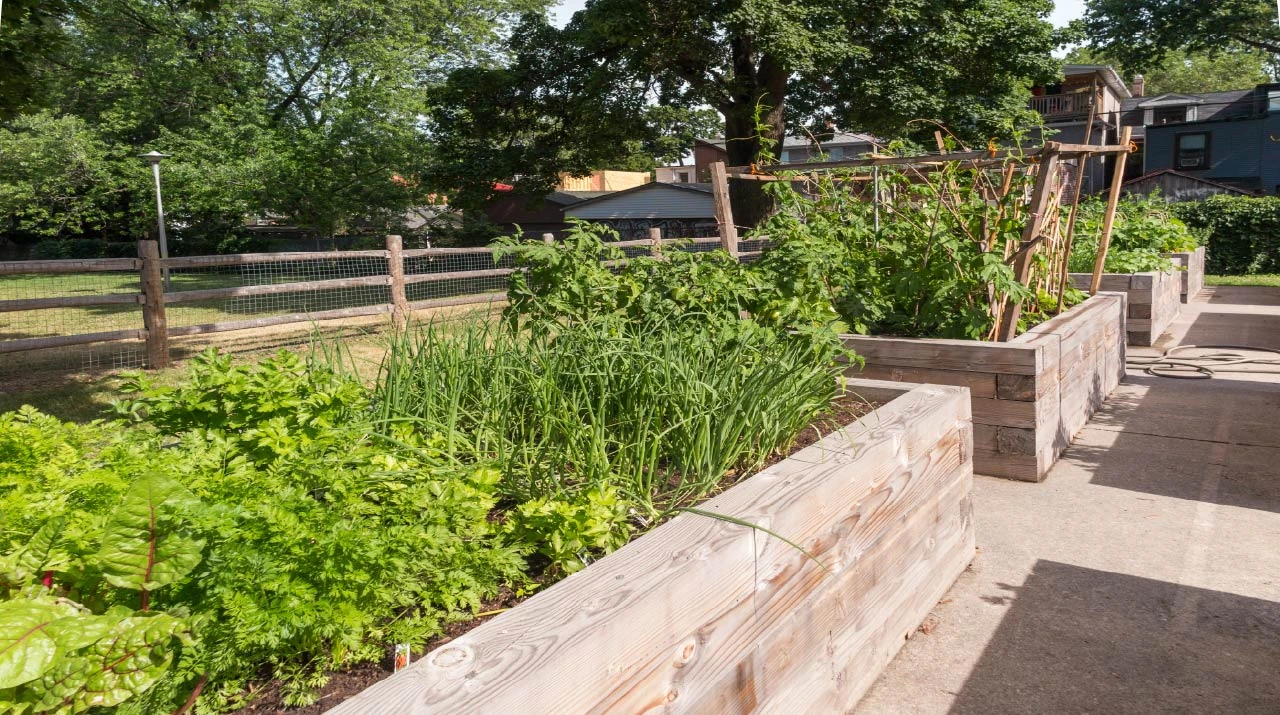
Spring Garden: May Garden Checklist For Zones 4-5
May 7th 2026
May is a busy and exciting month for gardeners in zones 4 and 5. After a long winter and a slow spring, your garden is finally waking up. If you've kept up with your late winter and early spring gardening chores, then this month should be an enjoyable one for you.
The soil is warming, the days are getting longer, and the risk of frost is slowly fading, but not entirely gone. So, it's tempting to plant everything at the first sign of a warm day, but May can bring unexpected weather that can harm your garden. Therefore, this is the month where careful planning meets action, and what you do now will shape your garden for the entire growing season. This comprehensive May garden checklist outlines all the tasks to do this month, step by step.
How is May Weather in Zones 4 and 5
Colder regions, such as parts of the Midwest, Northeast, and northern states, come in zones 4 and 5. In these areas, May is a transitional month. Early May can bring unexpected frost, and last frost dates are usually between mid to late May. Because of this, the timing of planting and fertilizing is everything. Starting too early can damage tender plants, while waiting too long can shorten your growing season.
Not sure what your zone is? Find your USDA zone here.
1. Monitor Frost Dates Closely
The first thing to do is keep a close eye on your local forecast and check your average last frost date.
- Zone 4: Between May 15 and June 1.
- Zone 5: Between April 15 and May 15.
After the last frost date in your region, unexpected cold nights can still happen. So, keep row covers, frost cloths, or old sheets ready to protect your sensitive plants from sudden cold snaps. Also, monitor nightly temperatures closely, and take measures when temperatures drop below 40°F.
2. Make Your Soil Ready for Planting
Healthy soil is the foundation of a thriving garden. By May, your soil should be workable, not too wet or frozen. Do a soil test. If you haven't already, do one now to learn how you may need to improve your soil and amend it for the best results. Learn when and how to test your garden soil. In May, you need to improve your soil structure to boost drainage, encourage root growth, and ensure your plants get the nutrients they need.
Soil Preparation Tasks
- Remove weeds with a weeder and debris from garden beds.
- Loosen soil using a garden fork.
- Mix in organic matter such as compost or aged manure.
Amend the Soil: Top-dress your raised garden beds and rows with 1 to 2 inches of well-rotted compost. If you are using worm castings, May is the perfect time to scratch them into the top few inches of soil to give a slow-release nutrient boost.
Mulch: Once the soil has warmed up in late May, apply a layer of organic mulch, such as clean straw, grass clippings, or shredded bark.
3. Organize Your Garden Tools
Make sure all your garden tools and accessories are ready and in good condition. They must be clean, of good quality, and sharp to carry out all garden jobs smoothly.
- Clean and sharpen pruners, shovels, and other cutting tools.
- Replace damaged tools with the best-quality, ergonomic ones.
- Your garden toolkit must include all the essential tools, including garden gloves, pruners, rake, trowel, weeder, scissors, transplanter, and other tools you need for your specific tasks.
Buy the best-quality ergonomic garden tools here!
4. Start Planting
It's time for warm-season crops, and you'll find lots of ideas about what to plant below. But don't overwhelm and keep your purpose in mind. What are the most important crops to you this season? Focus on the plants that will get you there. For example, if you really want to make lots of salsa this summer, prioritize prepping for and planting tomatoes and peppers.
Early May
Grow cool-weather plants that can handle light frost and prefer the cool, damp weather of Zone 4 and 5 spring.
- Vegetables to direct Sow: Peas, radishes, spinach, kale, carrots, and beets.
- Transplants: Broccoli, cauliflower, and cabbage.
- Flowers: Pansies, snapdragons, and sweet alyssum.
Mid-May
As soon as the soil temperature hits 50°F, you can start planting slightly more sensitive crops.
- Potatoes: Plant your seed potatoes now.
- Onion Sets: Get your onions in the ground.
- Hardening Off: Start hardening off your indoor seedlings of tomatoes and peppers. Move them outside and expose them to sunlight for 1 hour the first day, 2 hours the second, and then gradually increase their exposure to wind and sun over 7–10 days.
Harvest cool-season crops
Grab your knife or pruner and pick fresh snap peas, leafy greens, broccoli, and other goodies planted in early spring.
Planting Warm-Season Crops in Late May
Once the risk of frost has passed, it's time to plant your summer favorites. You can plant heat-loving vegetables like peppers, tomatoes, cucumbers, squash, beans, eggplants, pumpkins, and melons. Also, plant dahlias, gladiolus, and canna lilies once the soil is reliably warm.
Tips:
- Space plants properly for good airflow.
- Add support structures, such as cages or trellises, at planting time.
5. Plant Annual Flowers
If you're in zone 4-5, May is the perfect time to plant flowers and bring color and vibrancy to your garden beds and containers. These flowers will bloom throughout the summer and attract pollinators like bees and butterflies. However, make sure the risk of frost is entirely gone.
Popular annuals for USDA Zones 4–5: Zinnias, marigolds, petunias, impatiens, geraniums, and cosmos.
Tips:
- Choose sunny or shady varieties based on your garden location and microclimate.
- Water thoroughly with a smart drip irrigation after planting.
6. Divide and Transplant Perennials
If your perennials are overcrowded or are not blooming well, May is the best time to divide them. Any healthy plant eventually gets too crowded and uses up the available space and nutrients in the soil. Many perennials, including daylilies, echinacea, hostas, chrysanthemums, and Shasta daisies, benefit from being divided.
How to do it:
- Dig up the clump carefully.
- Split into quarters with a trowel.
- Enrich the soil with compost.
- Replant them immediately around the garden or share with gardening friends.
Benefits of Division:
- Encourages healthier plant growth
- Increases the number of plants in your garden
- Boost flowering
7. Mulch Garden Beds
Mulching is the simplest yet most effective task you can do in May. Apply 2 to 3 inches of mulch layer to your garden beds. However, keep it away from plant stems to prevent rot. The best organic mulch options are compost, wood chips, straw, or shredded bark.
Benefits of Mulching in May
- Mulch holds moisture in the soil and regulates soil temperature.
- Mulching suppresses weed growth in beds.
- Mulching improves soil health over time by providing essential nutrients.
8. Fertilize Strategically
Plants need nutrients to grow fully and produce well. So, give your soil and plants a nutrient boost with compost, balanced fertilizers, and soil amendments in May. You can fertilize vegetables, lawn, flower beds, and container-grown plants.
Before fertilizing, follow label instructions carefully. Also, avoid over-fertilizing, which can harm plants.
9. Check Watering Systems and Water Smartly
Consistent watering is essential as plants are actively growing and the hot season is ahead. Whether your garden has a drip system, sprinkler system, or hoses, it is important to ensure your irrigation system is working properly and all components are in good condition. If you live in an area with watering restrictions, make sure your watering schedule complies with them.
Drip irrigation is the most water-efficient and economical way to water your garden, landscape, and farm. If you want to conserve water, save money, grow healthier plants, and maximize yields, this modern irrigation method is the best choice. From raised beds, containers, and greenhouses to orchards, drip irrigation kits are available for any type of garden.
For long rows, consider a drip tape system or 1/2" emitter tubing. These target systems deliver water exactly to the roots where it's needed.
Smart Watering Tips
- Water early in the morning.
- Install a timer to automate your watering.
- Check soil moisture before watering.
- Install filters to prevent sediment or mineral buildup from clogging the emitter or tubing.
- If your garden has elevation changes, install an air relief valve at the high points of your system to prevent an air lock and ensure even pressure.
10. Watch for Pests and Diseases
Pest activity in the garden increases as temperatures rise. May is when the critters wake up, so early detection is your best defense. Common garden pests to look for include aphids, beetles, cutworms, and slugs.
Pest Prevention Tips
- Perform weekly inspection of plants.
- Inspect fruit trees regularly. Eastern tent caterpillars form clusters of tiny, hairy webs on fruit trees and ornamental crabapples and cherries. Remove and destroy or prune out limbs where they are nesting.
- Use organic pest control methods, such as neem oil or handpicking.
- Encourage beneficial insects in the garden.
- Avoid watering the plants in the evening. Plants that stay wet overnight are targets for powdery mildew. Water early in the morning so the sun can dry the leaves.
- Water with drip irrigation to ensure moisture reaches only the roots of plants, not the leaves or other parts.
11. Start a Compost Pile
If you don't already compost, May is a great time to start your own compost. Composting is the most effective and affordable way to enrich soil, improve garden sustainability, and reduce garden waste. You can add leaves, grass clippings, garden debris, and kitchen scraps (fruit and vegetable peels) into the pile.
12. Keep a Garden Journal
Tracking your garden activities and documenting experiences helps you improve each year. Walk through with your camera or sit down with a garden journal to record what you observe throughout the season. You can't remember everything, so it's helpful to record everything and learn from what works and what doesn't. You'll learn what works best in your specific zone and climate.
What to Record: Planting dates, pest issues, weather patterns, harvest times, things to upgrade, and garden bed expansion projects.
13. Visit Your Garden Daily
Make a habit of daily walking through your garden, observing the changes, and handling small tasks. Some days you can take care of small tasks like pulling a few weeds and picking something for dinner. Other days, it might be a quick visit to see what's happening or a few sweet moments to enjoy the space. And then there will be the wonderful days when you get to do bigger projects.
Decide on a regular time you could go out in your garden? Or how might you incorporate garden time into your daily routine? Perhaps after pouring your coffee, get some fresh air and morning sunshine. Or after you arrive home from work. What a lovely way to unwind after a long day.
14. Plant Heat Loving Plants
Heat-loving plants thrive in warm temperatures and need plenty of sunlight to produce their best yields. Popular types include tomatoes, peppers, eggplants, melons, squash, and okra. These crops should be planted after the last frost date, when the soil has warmed, usually in late spring for Zones 4 and 5. Starting seeds indoors or buying young transplants can give them a head start. For best results, choose a sunny spot and enrich the soil with compost or organic matter before planting.
Here is a Month-by-Month Garden Checklist: What to Do All Year Long
The Bottom Line
May in Zones 4 and 5 is all about healthy soil preparation, well-timed planting, and proper care. All these tasks will determine how successful your garden becomes in the coming months.
So, if you live in Zones 4-5, grab your garden tools, monitor the weather, stay consistent with your daily garden tasks, don't overwhelm yourself, and, most importantly, enjoy the process. Happy gardening!