
March Garden Task for Zone 8b
Feb 10th 2026
March is the most exciting month for gardeners in USDA Zone 8b. This is the month when winter is fading, the last frost date occurs, soil temperatures start rising, and every plant in your garden is waking up fast for the upcoming growing season. If you're in zone 8b, remember that the tasks you complete in March will determine the success of your vegetables, flowers, lawn, and fruit trees for the entire year. It will shape how healthy, thriving, and beautiful your garden becomes.
So, whether you want to know when to plant, what to prune, what to protect, and what else to do in March in zone 8b, this zone 8b March gardening guide will help you make the most of this month and complete all essential tasks for a productive growing season ahead.
Understanding March Weather in USDA Zone 8b
March in zone 8b came in cold and dreary, with a little wind, snow, hail, and sleet. Although days are warmer, cold snaps can still occur. In mid-March, you can feel the changes coming, and spring is arriving. USDA Zone 8b includes parts of the southern US, such as Georgia, Alabama, Texas, and South Carolina, as well as the Pacific Northwest. Weather conditions in this zone include:
- Average March temperatures: 55-70°F
- Average Soil temperatures: 50-60°F
- Last frost date: mid-to-late March (depending on location)
- More rain
March Garden Tasks Zone 8b
Here is a step-by-step march garden checklist you should follow to enjoy the abundant harvests and beauty till fall.
1. Improve Your Soil
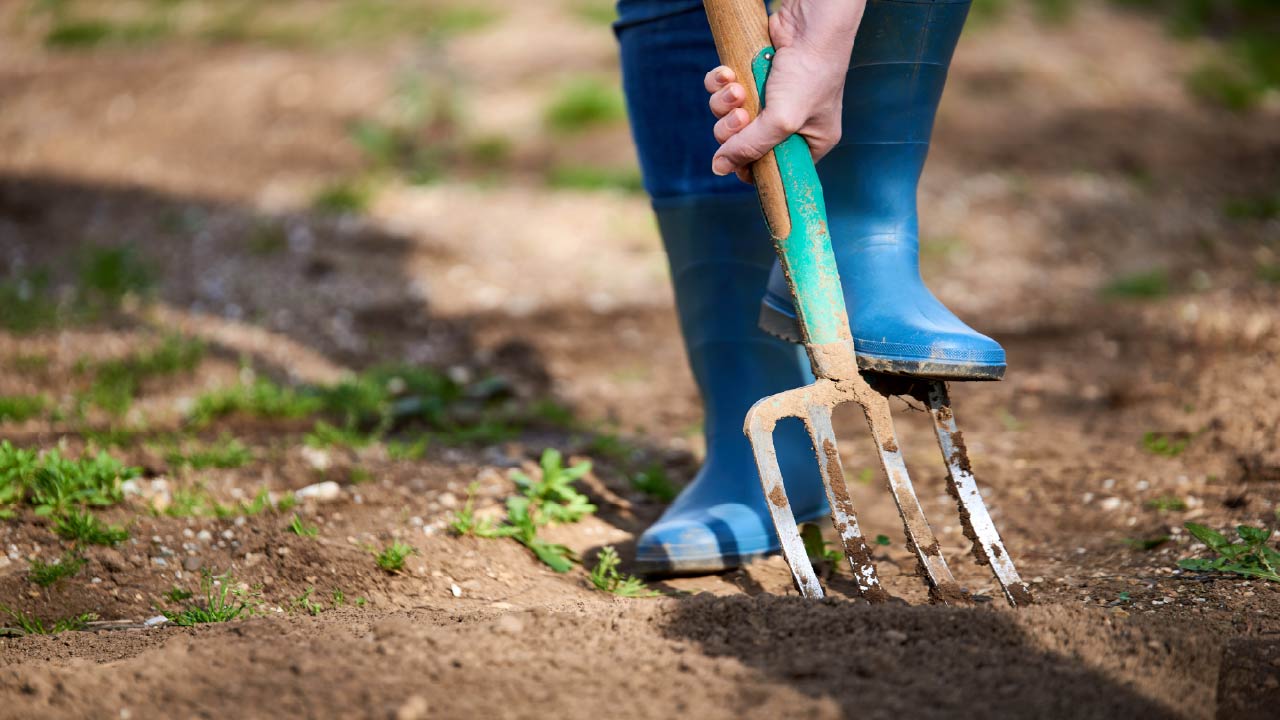
Remove fallen leaves, remaining winter debris, and weeds from your garden beds to prepare for new growth. A healthy garden starts with healthy soil. Test your garden soil to determine its pH and nutrient deficiencies. Till the soil and loosen it with a garden fork.
- Add 2–3 inches of compost to garden beds.
- Mix in aged manure or organic fertilizer.
- Add lime if the soil pH is below 6.0.
- Add sulfur if the soil pH is above 7.5.
Tip: Avoid amending the soil when it's soggy. If it turns into a sticky ball in your hand, wait a few days. Don't start cultivating until the soil is crumbly, not soggy, which could happen even in early April.
2. Prune Roses and Trees
On a warm sunny day, take out your best pruners, like Felco pruners, and prune your roses just as soon as the buds start to swell. Remove any dead, weak, or crossed branches to improve air circulation and encourage larger blooms. March in zone 8b is also a great time to prune trees to shape them and remove winter-damaged limbs that can invite disease later.
Thin crowded branches of fruit trees so sunlight can easily reach the center of the canopy. Make sure branches are open in the middle and don't cross each other. This will increase both fruit size and quality. Avoid pruning spring-blooming shrubs like azaleas. Prune them after they finish flowering because cutting them now would remove this year's blossoms.
3. Start an Irrigation System
March in USDA zone 8b is a time to check your garden irrigation system, inspect it thoroughly, and restart it for the growing seasons ahead. A complete inspection now will save time, water, stress, and money in the long term.
- Inspect drip lines, emitters, sprinklers, and valves for leaks.
- Check for clogged emitters, broken heads, loose connections, and cracked pipes.
- Test the irrigation controller and replace old batteries.
- Reprogram the controller for longer hours of springtime, based on your plants' needs and the weather.
- Install smart drip irrigation in vegetable garden beds to deliver slow, consistent moisture to your plants without wetting the leaves.
4. Plant Summer-blooming Bulbs
March in zone 8b is a great time to plant gorgeous flower bulbs that will brighten your garden in the coming months. Plant lilies, dahlias, gladiolus, elephant ear, and caladiums once the risk of hard frost has passed.
When planting bulbs, choose a location with full sun and well-drained soil enriched with compost. Bulbs, tubers, or rhizomes will rot if left in soggy soil. Water them deeply after planting to help their roots settle in.
Also Read:2026 Outdoor Living and Landscaping Trends to Transform Your Backyard
5. Remove Weeds from Garden Beds
As soon as temperatures warm, soil has moisture, and the sun starts shining, weeds in your garden will begin to grow faster and can quickly steal water and nutrients from the plants. Therefore, you need to keep your garden beds free of weeds as they can quickly get out of control. Pull weeds while they are young, and the soil is moist from rain. It is much easier than managing mature weeds in summer.
- Use a long-handled hoe to do most of the weeding without bending over.
- Use a weeder for larger weeds or turning beds.
- Add mulch in beds after weeding to block sunlight and prevent germination.
6. Prepare Your Raised Beds and Containers
Another March garden task is to refresh your raised garden beds, planters, and containers after winter weather. Remove old plant debris, disinfect old containers, and replace the top layer of soil with a mixture of compost and high-quality garden soil to replenish soil nutrients. Your containers may benefit from being washed with mild soap to get rid of salt buildup and disease spores before you start new planting.
Additionally, check drainage holes at the bottom of pots, lay weed barrier fabric on the bottom of raised beds, and replace any damaged raised beds to prevent problems later in the season.
7. Plant Cool-Season Veggies
March is ideal for crops that love mild temperatures. Sow cool-season veggies like spinach, lettuce, beets, carrots, radishes, and peas directly into the garden when the soil is workable. Additionally, transplants of cabbage, broccoli, kale, onions, and cauliflowers can settle in quickly in early spring. These crops prefer cooler temperatures and planting them now ensures they mature before summer heat arrives.
8. Clean and Repair Birdhouses, Birdfeeders
Your wildlife friends play an important role in creating a thriving garden, and they need some care this month. One essential March garden task in zone 8b is to properly clean out birdbaths, bird feeders, and birdhouses.
Remove old nesting material from birdhouses and gently clean the interiors so new birds can move in safely. Wash out the feeders, give the suet cake, and check for cracks to prevent the spread of disease.
If any birdhouse is damaged over the winter, repair it and hang it in the garden. Birds can control unwanted bugs in your garden without using insecticides and pesticides. The birdhouses are homes for paper wasps, which are wonderful pollinators.
9. Restart Your Lawn Care
Lawns begin to wake up this month, so they need some post-winter care. Rake away winter debris from the lawn to allow sunlight to reach the grass and boost air circulation. Early spring is a good time to aerate your warm-season lawn while the soil is still moist and soft. Once you aerate, you can overseed.
There are other preventive actions you can take this month to maintain your lawn's overall health. To prevent crabgrass or other weed seeds from germinating, apply a pre-emergent organic weed preventer.
Discover:10 Must-have Garden Tools Needed for a Vegetable Garden
What to Plant in March in Zone 8b
Below is a list of what you can plant throughout this prime planting month.
Early March
Direct Sow Outdoors: Peas, lettuce, spinach, beets, carrots, radishes, turnips, mustard, Swiss chard
Transplant Outdoors: Onion sets, cabbage, cauliflower, broccoli, kale
Start Indoors: You can start these crops in a greenhouse in early March. Tomatoes, eggplant, peppers, cucumbers, okra, basil
Planting Tip: Use floating row covers if night temperatures drop below 32°F.
Mid-March
Plant Outdoors: Potatoes, carrots, more lettuce, more spinach, parsley, cilantro, strawberries.
Transplant Outdoors: Kale, chard, lettuce starts, broccoli.
Start Indoors: Zucchini, squash, melons.
Late March
Plant Outdoors: Cucumbers, bush beans, summer squash, okra, and tomatoes with protection.
Transplant Outdoors: Tomatoes (with row covers), eggplants, peppers (with row covers), basil.
Tip: Always keep row covers or frost cloth ready because zone 8b can get sudden cold snaps.
The Bottom Line
As the winter fades, you might be feeling the pull of fresh air, warmer days, and that irresistible urge to get your hands into the soil. March in Zone 8b offers many opportunities for gardeners to make their gardening more rewarding. These essential March tasks will streamline your gardening season, ensure a smooth transition into the new season, and let you enjoy more sunny days later. A little effort now means bigger harvests, vibrant blooms, lush lawns, and less summer stress. Grab your gloves, spend some time each week completing this checklist, and your garden will reward you with a bounty from spring through fall.