
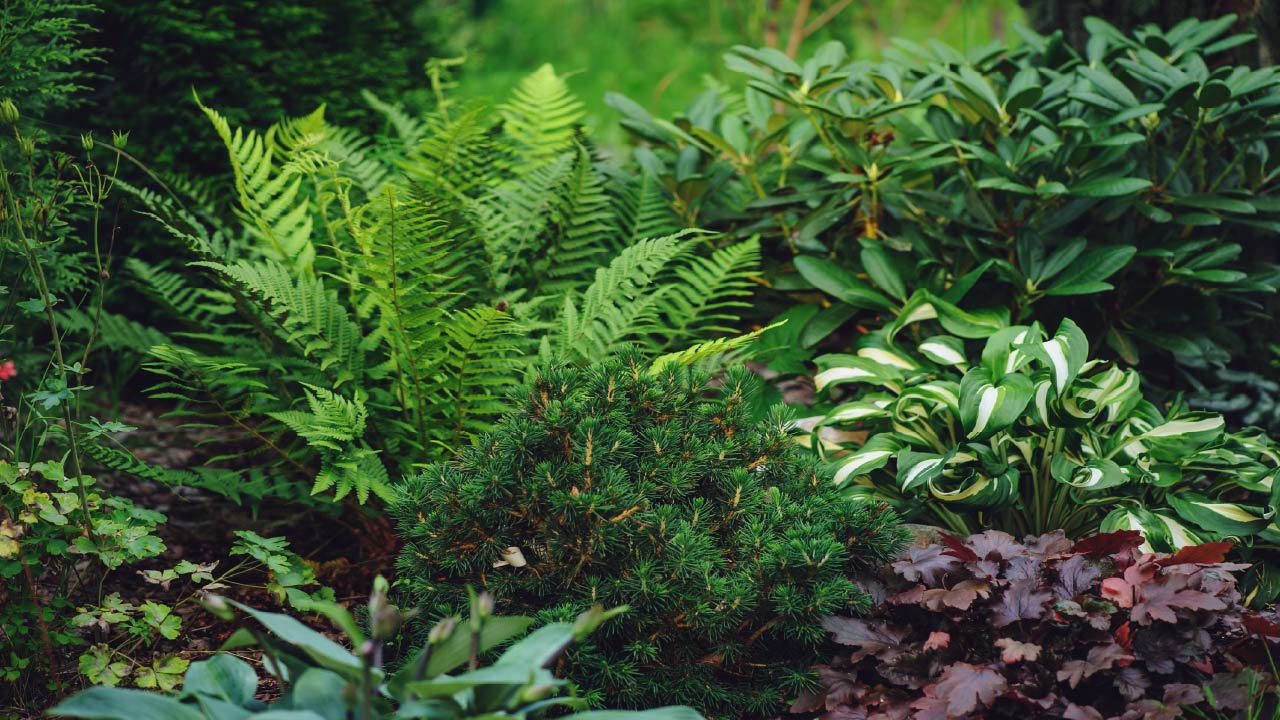
Low-Water Landscaping Ideas for Drought-Prone Areas
Aug 24th 2026
Low-water landscaping, often called xeriscaping, has evolved way past a few miserable cacti in a bed of white gravel. Modern drought-smart landscapes are lush, colorful, and texturally rich. If you live in any drought-prone state, from California and Arizona to Nevada, Texas, Colorado, New Mexico, and parts of the Pacific Northwest, and are wondering how to design a stunning landscape with low water usage, we've got you. Water-smart landscaping involves combining the right plants, healthier soil, efficient irrigation, thoughtful hardscaping, and maintenance practices that reduce unnecessary water loss.
A well-designed low-water landscape can be colorful, shady, wildlife-friendly, comfortable, and surprisingly lush. Learn how to work with your region's natural rainfall rather than fighting against it. This is the key to designing landscapes that thrive on low moisture, supports local pollinators, and cuts your outdoor water consumption by up to 70% or more.
So, what does a beautiful drought-tolerant landscape look like, and how do you achieve one? Here are the creative, practical, and highly effective strategies to create a resilient, beautiful, low-water landscape.
What Is Low-Water Landscaping?
Low-water landscaping is also sometimes called water-wise landscaping or xeriscaping, is a landscape approach designed to reduce watering demand while keeping plants healthy and the yard attractive. The goal is to select plants and design the landscape so that supplemental irrigation becomes minimal and targeted once the plants mature.
The EPA notes that established native and regionally appropriate plants can often survive with little supplemental water because they are adapted to local climate and soil conditions.
Why Low Water Landscaping Matter in 2026 and beyond?
Drought is becoming a long-term reality across much of the American West and Southwest. California has faced several state-declared drought emergencies over the past decade, while states such as Texas, Colorado, New Mexico, and Utah also face growing pressure on water supplies.
In dry climates, traditional lawns can require more than 40 inches of supplemental water a year while a well-designed low-water landscape can cut outdoor water use by 50 to 75%. That's real water and cost savings, season after season, while still maintaining an attractive yard.
Start With the Healthy Soil, Not the Plants
Before you buy a single plant for your landscape, focus on the soil beneath. Your soil is doing half the work before a single plant goes in the ground. In drought-prone regions, soil is your single most important water storage container. Rich, healthy soil holds onto every drop of moisture longer, feeds beneficial microbes and reduces runoff. Poor, compacted soil lets valuable water run off straight into the storm drains.
So before planting anything,
- Test your soil to determine pH levels, nutritional deficiencies, drainage, and composition. Sandy soil drains too fast, and heavy clay holds water but suffocates roots.
- Add aged compost to improve soil structure and water retention, especially in sandy or compacted soils.
- Avoid over-tilling the soil. It disrupts the soil's natural ability to hold moisture and support fungal networks that help plants access water.
- Grade the landscape thoughtfully so water flows toward planting beds instead of straight into the storm drain.
Choose Plants That Suit Your Climate
One of the biggest mistakes in drought-prone landscaping is choosing plants just because they look good in a catalog. A plant that thrives in coastal California may struggle in inland Arizona. Also, a drought-tolerant perennial that performs beautifully in Texas may not suit a high-elevation Colorado yard.
The goal of low-water landscaping is not to make your yard colorless and lifeless. Instead, choose plants that can thrive on rainfall alone once mature.
Before buying plants, study your climate and landscape. Look at USDA hardiness zone, summer temperatures, annual rainfall, slopes, soil type, wind conditions, sun exposure, frost conditions, and local watering restrictions.
8 Trendy Backyard Landscaping Ideas for a Modern Outdoor Look
Create a California-Style Native Plant Garden
If you're in California, native plants can be one of the smartest places to start. California's Department of Water Resources highlights native plants as an essential option for water-efficient landscapes. Native plant species can also support local biodiversity and pollinators.
Here are the best California and Southwest natives to plant in low-water landscaping:
- California Poppy: State flower, self-seeding and blooming nearly all year in mild climates.
- Manzanita: Striking red bark and delicate spring blooms.
- California Lilac: Fast-growing with vivid blue flowers.
- Toyon: Evergreen with bright red winter berries, great for wildlife.
- Penstemon: Tubular flowers that hummingbirds adore.
Not every California native suits every California yard. The state contains different climates, from coastal environments to hot inland valleys and mountain regions. Choose species based on your specific local conditions.
Build a Mediterranean-Style Landscape
If you want a drought-tolerant landscape that looks more like a vacation destination than a water-saving project, go for Mediterranean climate plants.
Mediterranean-inspired gardens work beautifully in regions with hot, dry summers and wet winters. Add aromatic herbs, silvery foliage, gravel paths, flowering perennials, sculptural shrubs, and small trees in this landscape design.
Mediterranean Climate Plants: Lavender, rosemary, olive trees, santolina, agave, yarrow, rockrose, and thyme.
Group Plants Into "Hydrozones" to Design Your Landscape like a Pro
Don't put a plant that needs regular moisture next to one that prefers dry soil. Planting a water-hungry hydrangea right next to a dry-loving lavender means one of them will suffer. So what to do? Create hydrozones. Professional landscapers use this technique and group plants by water needs rather than scattering them based on looks alone.
A hydrozone is simply an area where plants with similar water requirements are grouped together. This lets you adjust irrigation for each section instead of watering the entire landscape at the same rate.
Divide your landscape into the following three zones and add plants based on the water needs.
Low-water Zone:
Agave, native grasses, lavender, sage, drought-tolerant shrubs.
Moderate-water Zone:
Selected flowering perennials and shrubs.
Higher-water Zone:
Vegetables, container plants, or plants that require more watering.
Replace the "Big Green Lawn"
Turf grass is easily the single largest water consumer in residential landscapes. However, many homeowners often want a functional open green space for pets, kids, or visual breathing room. Modern landscape design offers outstanding lawn alternatives that use little or no water. You don't necessarily have to remove every square foot of turf. Instead, create a smaller functional lawn surrounded by drought-tolerant planting beds, trees, permeable pathways, and hardscape.
Here are some of the best options for reducing or replacing turf:
- Clover lawns: They are soft underfoot, naturally green, and far more drought-tolerant than traditional turf.
- Buffalo grass or blue grama: Native warm-season grasses need a fraction of the water of Kentucky bluegrass.
- Groundcovers: Low-growing groundcovers like creeping thyme, dymondia, or kurapia can give you a green blanket to walk on. They can handle light foot traffic and rarely need mowing.
- Hardscaping: Gravel or decomposed granite patios with structural plantings are also ideal for high-traffic zones that don't need to be green.
Try the Functional Lawn Approach
Keep grass in:
- Pet areas
- Outdoor recreation spaces
- Small seating areas
- Places where a soft surface is genuinely useful
Summer Watering Guide for 2026: Best Tips for a Greener Lawn
Make Trees the Focal Points of Your Landscape
A drought-tolerant yard doesn't have to include only shrubs. Trees can transform your outdoor space. A young tree may look unimportant when installed, but it can create a microclimate that makes the entire landscape more comfortable.
Strategically placed trees provide shade, privacy, wildlife habitat, vertical structure, seasonal interest, and cool outdoor spaces.
Choose appropriate climate trees that can be established successfully in your region.
Grow Pollinator-Friendly Drought-Tolerant Plants
A low-water garden can buzz with life and color if you choose the right plants. Choose flowering plants that provide nectar and habitat for bees, butterflies, hummingbirds, and beneficial insects.
Native plants are highly valuable because they support local ecosystems and are usually adapted to regional growing conditions.
Instead of planting a dozen flowering varieties that bloom at the same time, design for succession.
Spring: Plant early native flowers.
Summer: Grow salvia, penstemons, yarrow, and other heat-tolerant bloomers.
Fall: Plant late-season flowering perennials and seed-producing plants.
Don't Forget to Add Mulch
Mulch is one of the most underrated water-saving tools. The EPA recommends adding a 3-4-inch layer of organic mulch in planting beds. However, keep mulch away from direct contact with plant stems, tree trunks, and woody plant bases.
Mulch can reduce soil evaporation by up to 70%, suppress weeds that compete for water, and moderate soil temperature so roots aren't stressed by heat swings.
- Use organic mulch (leaves, straw, bark, grass clippings) in planting beds for moisture retention and soil health.
- Use inorganic mulch (gravel, decomposed granite, lava rock) around succulents and cacti that prefer drier root zones.
- Reapply organic mulch annually, because it breaks down and feeds the soil over time.
Switch to Efficient Irrigation with a Smart Drip System
Even drought-tolerant landscapes need some irrigation while plants establish, and some plants may always require supplemental water. The key is applying water efficiently, directly to the root zone, without wasting a drop to evaporation or overspray.
That's why you need to upgrade to Smart Drip Systems to water drought-tolerant landscaping.
- Traditional spray heads lose up to 30–50% of water to wind drift and evaporation. Switch beds to high-efficiency drip tubing, drip emitters, drip tape, or emitter tubing. Drip irrigation delivers water directly to the root zone, cutting evaporation and runoff compared to sprinklers.
- Pair your drip system with a Smart Irrigation Controller that automatically adjusts watering schedules based on weather data, rainfall, and soil moisture.
- You can also harvest rainwater for irrigation. Use rain barrels and cisterns to capture roof runoff for free irrigation water during dry spells.
Add Hardscaping Strategically
Use pathways, retaining walls, patios, gravel, stone, and seating areas to reduce the need for planted space. Hardscaping is especially beneficial in dry climates because it requires no irrigation and adds structure and definition to the
landscape.
Features like pathways, patios, stone borders, stylish outdoor lighting, and seating areas can make the overall low-maintenance design feel intentional and polished rather than bare or sparse. Mix hardscape with plants rather than covering the entire yard with rock.
Try adding these hardscaping materials to your landscape:
- Decomposed granite pathways
- Gravel courtyards
- Stone-edged planting beds
- Boulders and Dry creek-style features
- Gravel seating areas
- Stepping stones through planting beds
- Shade structures like pergolas
- Vertical elements like trellises, arbors, decorative walls
7 Inspiring Landscape Lighting Designs for a Stunning Backyard
What is the difference between xeriscaping and low-water landscaping?
Xeriscaping is a landscape design method that uses drought-tolerant and native plants, smart drip irrigation and mulch to minimize water use. Low-water landscaping is a broader term that can include xeriscaping principles along with lawn alternatives, hardscaping, and rainwater harvesting.
How much water can I save by converting to a low-water landscape?
On average, you can reduce your total outdoor water usage by 50% to 75%. In dry climates like Southern California or Arizona, where outdoor irrigation can account for up to 60-70% of a home's total water bill, conversion yields significant financial savings.
Are there lawn rebate programs available for homeowners in California and dry states?
Many municipal water districts across California, Nevada, Arizona, and other drought-prone states offer cash rebates for replacing turf with water-wise landscaping. Check with your local water utility for current programs before starting your landscaping project.
Do drought-tolerant plants need any water at all?
Yes, they need watering during their first one to two years while establishing roots. Most drought-tolerant plants need regular deep watering initially, once mature, they can survive on rainfall alone.
Is drip irrigation good for drought-tolerant landscaping?
Yes. Drip irrigation is the most effective choice for watering planting beds because it delivers water near plant root zones without waste. The system needs proper filtration, pressure regulation, design, and maintenance to operate perfectly.
Drip Irrigation Installation: 8 Things to Know Before You Start
The Bottom Line
A well-designed drought-tolerant landscape can have more personality and beauty than a traditional lawn. It's about designing a landscape that doesn't need excessive water. The best drought-tolerant yards aren't beige and dull. They're layered with texture, seasonal color, wildlife activity, and a sense of place that reflects the climate you live in. Combine silver foliage, colorful flowers, native grasses, shade trees, boulders, pathways, outdoor seating, pollinator plants, and sculptural succulents to create a landscape uniquely connected to its region.
Start with your climate and soil, then create beautiful landscaping that avoids unnecessary water use. Once established, a low-water landscape often requires less mowing, fertilizer, and maintenance than a traditional lawn.