
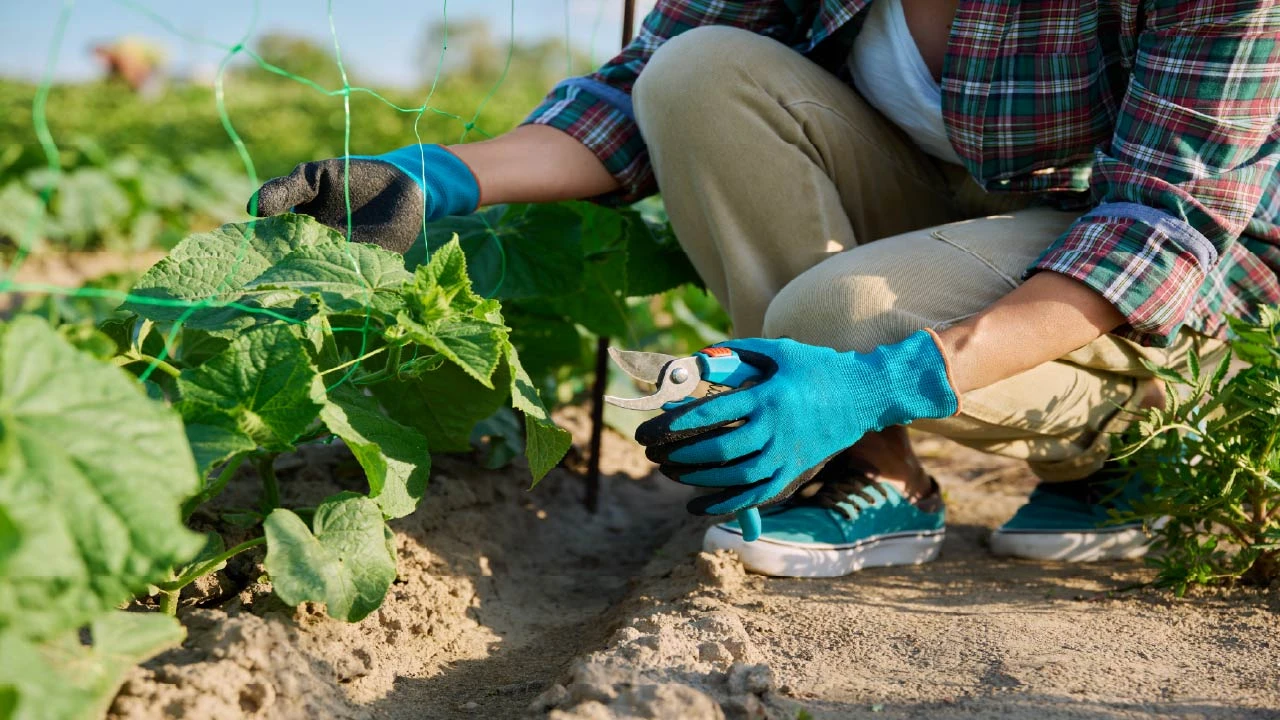
How to Prune Tomatoes, Peppers, and Cucumbers Summer Pruning Guide
Aug 17th 2026
Summer pruning is one of the most underrated ways to get a bigger, healthier, longer-lasting crop before the first frost closes things down. By late summer, tomatoes are covered with dense foliage, cucumber vines are sprawling in every direction, and pepper plants may be putting more energy into leaves than fruit. Lush green growth looks impressive in early summer, but excessive foliage can become your harvest's main competitor by late summer. This is the perfect time for pruning your crops.
Pruning in summer is about making strategic, targeted trims that redirect energy toward ripening fruit, improve airflow to fight off the fungal diseases that love late-summer humidity, and get your plants ready for a strong final harvest before the season ends.
Learn how to prune tomatoes, peppers, and cucumber plants during late summer, what pruning tools to use, and how to help plants recover after pruning.
Why Late Summer Pruning Is Important
Many gardeners assume pruning is a spring and early summer job to shape the plant, remove suckers, then leave it alone. But late-season pruning solves different problems than early pruning does.
By late summer, vegetable plants have usually reached their maximum size. Dense growth may look healthy, but it often creates problems. Unchecked growth diverts essential energy away from fruit development, traps humidity and prevents ripening sun from reaching late-season produce.
Proper pruning benefits your plants in several ways.
- Improves air circulation
- Reduces the risk of fungal diseases
- Allows sunlight to reach ripening fruit
- Makes harvesting easier
- Prevents overcrowding
- Focuses energy toward fruit
- Removes diseased or damaged growth
- Extends yields into early fall
Essential Pruning Tools
Always use clean, sharp pruning tools. Clean blades between plants, especially if any show signs of disease. Here are tools you'll need to prune your tomatoes, cucumbers, and peppers.
- Hand pruners
- Garden scissors
- Harvest comfort grip Fiskars snips
- Rubbing alcohol for disinfecting blades
How to Select the Perfect Ergonomic Tools and Gifts for Landscape and Gardening Professionals
Pruning Tomatoes in Summer
Tomatoes get the most benefit from summer pruning of any of the three crops, especially indeterminate varieties that just keep growing and flowering until frost kills them. They are prone to forming a thick, light-blocking canopy. In cool, damp late-summer conditions, dense leaves slow down fruit ripening and trap moisture. This makes summer pruning essential.
Why Prune Tomatoes in Summer?
- Increase Ripening: Red tomato fruit needs warmth, airflow, and direct exposure to sunlight to ripen quickly before temperatures drop.
- Stop Disease Spread: Fungal spores like blight and septoria leaf spot thrive in humid microclimates within dense foliage.
- Redirect Sugar Flow: Pruning stops new vegetative growth and forces the plant to channel photosynthetic sugars into swelling and sweetening existing green fruit.
How to Prune Tomatoes in Summer
Now, let's look at the steps for strategically pruning tomatoes in the summer season.
Top Your Tomato Plants
"Topping" means cutting off the growing tip of each main stem. This is the most impactful pruning move you can make in late summer. Locate the main growing tip at the very top of each stem and snip it off completely.
Steps
- Determine your average first frost date for your region.
- Count back 4-6 weeks from the frost date. Any new flowers set after that date will not have enough time to yield full-sized, ripe fruit before frost.
- Cut off the top few inches of each main stem, just above the last fruit cluster you want the plant to finish ripening.
- Leave the foliage below intact for now.
Clear the Lower Leaves from Bottom 12–18 Inches
Inspect the lower half of your tomato plants. Remove all lower leaves, yellowing foliage, and low-hanging branches touching the soil. Soil-borne fungal spores can splash up on leaves during watering.
Steps
- Remove all leaves touching or close to the soil, from the bottom 12–18 inches of the plant.
- Remove any leaves that are already yellowing, spotted, or curling.
- Thin out interior foliage around the fruit clusters to improve airflow and let in more light, which helps fruit ripen faster and reduces rot.
Tip: Never remove more than about a third of the plant's total foliage in one session. Over-pruning stresses the plant and can cause sunscald on exposed fruit.
Remove All New Suckers
Suckers are small vegetative side shoots that sprout in the 45-degree crotch between the main stem and a leaf branch. If you're growing indeterminate tomatoes, pinch them weekly. If left alone, they'll turn into full branches that produce late flowers your plant doesn't have time to ripen.
Pinch or snip off every newly forming sucker while they're under 3–4 inches using your fingers or clean pruning snips. Currently, suckers waste valuable water and nutrients without offering any yield return.
Do Selective Leaf Thinning for Airflow
Look into the middle of the canopy. If leaves are overlapping and blocking sunlight from reaching the interior fruits, thin out 20% to 30% of the interior shade leaves.
Always leave enough canopy to protect fruit from sunburn but create an open structure that allows air to move easily.
Learn how to grow tomatoes in your garden.
Pruning Peppers in Summer
Peppers have a bushier, more compact growth structure than tomatoes. They are more forgiving than tomatoes and don't require the same aggressive pruning. A light targeted late-summer prune can boost your final harvest, improve fruit size, and keep plants healthier.
Unlike tomatoes, pepper plants don't produce suckers that need constant removal. Also, most gardeners get better results by leaving the plant's natural branching structure alone.
Why Prune Peppers in Late Summer?
- Reduce Branch Breakage: Heavy late-season fruit can break weak pepper branches in autumn storms.
- Prevent Fruit Rot: Moist leaves resting against ripening peppers create moisture pockets that cause internal decay.
- Focus Energy on Final Flush: Removing tiny, late-blooming flowers stops the plant from producing tiny, weak peppers that won't mature before frost.
How to Prune Peppers in Summer
Below are the steps to strategically prune peppers in the summer.
Remove Weak, Spindly Growth
Thin, leggy stems that aren't producing flowers or fruit are just draining plant energy. Prune them.
Thin Dense Interior Foliage
If your pepper plant has grown into a thick bush, remove some inner leaves to improve airflow and let sunlight reach developing peppers. This also helps prevent sunscald because a little lighter exposure early actually toughens the fruit's skin before it's fully exposed.
Pinch off New Flowers
Start removing new flowers as frost approaches, about 4–6 weeks before your first frost date. Like tomatoes, any flower that appears too late won't mature into a usable pepper, and removing it allows the plant to focus on ripening the peppers already on the vine.
Remove Damaged or Diseased Leaves
Remove all yellowing, spotted, or wilted leaves. Peppers are susceptible to bacterial leaf spots, which spreads quickly in humid late-summer weather.
Support Heavy Branches
This isn't pruning. If a pepper branch is bending under the weight of fruit, stake or cage it rather than cutting it back.
Should You Top Pepper Plants?
Topping pepper plants is usually done in early summer. Peppers branch naturally and don't respond to topping the same way, so cutting the main growing tip late in the season does more harm than good. By August or September, do not top healthy pepper plants unless:
- Frost is approaching
- You want remaining peppers to mature faster
Otherwise, allow the plant to continue producing naturally.
Learn how to grow bell peppers in your garden.
Pruning Cucumbers in Summer
Cucumber vines grow fast, sprawl aggressively, and are highly prone to powdery mildew by the time August humidity sets in. By August, vining cucumber varieties often overcrowd trellises or spill into garden pathways. So late-summer cucumber pruning is mostly about disease control and keeping the vine productive for as long as possible.
Why Prune Cucumbers in Late Summer?
- Control Powdery Mildew: Powdery mildew is the main late-summer cucumber killer. Pruning opens up space for leaves to dry rapidly after morning dew.
- Keep Fruit Off the Ground: Removing lower leaves and lateral vines makes ripening cucumbers easy to spot and prevents oversized, bitter fruit from hiding under foliage.
- Maintain Vine Vigor: Removing old, yellowed leaves keeps the root system focused on supplying nutrients to fresh top leaves and developing fruit.
How to Prune Cucumbers in Summer
Let's look at all the steps to prune cucumbers in the summer season.
Remove Old, Yellow, or Diseased Lower Foliage
Cucumber leaves have a lifespan of about 30 to 40 days. As plants mature, the oldest leaves at the bottom of the vine turn yellow, develop brown spots, or get covered in white powdery mildew spores.
- Use clean pruning shears to cut the damaged leaves off flush with the main vine. Dispose of infected leaves in the trash, not the compost pile.
- Remove any leaf with visible white powdery spots as soon as you notice it.
- Strip yellowing or browning leaves near the base of the vine.
Prune Side Runner Vines
Cucumbers produce a central main vine along with multiple secondary side shoots. In August, clip back side shoots after they have set 1 or 2 cucumbers. If you let side shoots grow endlessly, it creates an uncontrollable leaf mass that starves main-stem fruits of moisture and nutrients.
Pinch Main Vine Tips
Cut off the growing tips of your main cucumber vines around 3-4 weeks before the average first frost date. This stops new vine extension and forces the plant to focus its final energy into swelling and finishing the cucumbers already set on the vine.
If you're growing cucumbers vertically on a trellis, guide and prune the vine to keep it from doubling back on itself, which traps humidity.
Late-Season Cucumber Bonus Tip
If your plants are looking exhausted and fruit production has slowed, a hard prune can trigger a fresh flush of growth and a second wave of production if you still have 6-7 weeks before frost. This works best on tired, healthy plants, not ones that are heavily diseased.
Best Practices for Summer Pruning
Apply these practices across all three crops, and your pruning project will be more effective and less risky for the plants.
- Prune in the morning, on a dry day. Wounds heal faster when they're not sitting in moisture overnight, and the morning timing reduces the risk of spreading fungal spores.
- Use clean, sharp pruning tools. Dull blades crush stems rather than cut cleanly, creating larger wounds that are slower to heal and more vulnerable to disease.
- Sanitize between plants. A quick wipe of tools with rubbing alcohol between each plant keeps problems from spreading through your whole garden bed.
- Check frost dates. Calculate your area's average first frost date to time your topping correctly.
- Don't overdo it. Removing too much foliage at once stresses the plant and can expose fruit to sunscald. Remove a maximum of 20–30% of foliage in a single session.
- Dispose of diseased plant material Bag it and throw it away rather than composting.
- Keep feeding and watering. Pruning reduces the plant's leaf area, but it still needs consistent water and nutrients to finish ripening its remaining fruit.
How Much Should You Prune?
Frequent light pruning is always better than one major pruning session. Here is a general guideline for pruning your plants.
Tomatoes
- Moderate pruning every 7–10 days
- Remove suckers and lower leaves slowly
Peppers
- Light pruning every 2–3 weeks
- Focus on removing damaged or crowded growth
Cucumbers
- Inspect weekly
- Remove yellow leaves and excess side growth as needed
What to Do After Pruning
Pruning temporarily stresses plants.
So, you should help them recover by:
- Watering deeply with a drip irrigation system if the soil is dry.
- Applying mulch to conserve moisture.
- Feeding with a balanced fertilizer if needed.
- Keeping foliage dry when watering.
- Monitoring for pests over the next several days.
With these tips, healthy plants usually recover within a week.
Top 10 Money-Saving Vegetables to Grow in Your 2026 Garden
The Bottom Line
Summer pruning isn't about cutting back as much growth as possible. You should make smart, selective cuts that help your plants stay healthy and productive during the busiest part of the growing season. Keep plenty of healthy foliage to shade developing fruit, prune with clean tools on dry mornings, and avoid removing more than your plants can comfortably recover from.
With regular inspections, pruning, and gentle maintenance, your vegetable garden will remain healthier, produce higher-quality harvests, and continue rewarding you with fresh tomatoes, peppers, and cucumbers right up until the first frost.
Grab your pruning tools, pick a dry morning, and give your plants late-season tune-up for a thriving future harvest.