
How to Build Excellent Soil for Raised Bed Gardens
Apr 7th 2026
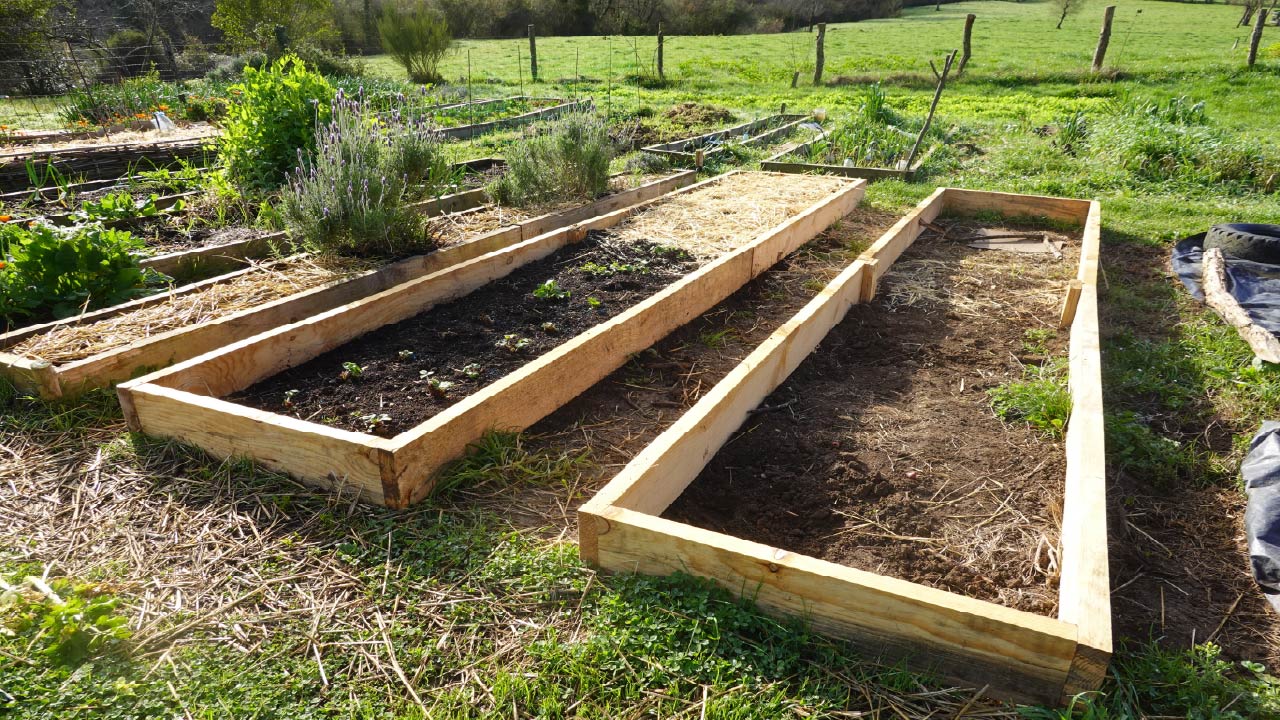
A raised bed garden is only as good as the soil inside it. If you want thriving plants and high yields, the secret is healthy soil. You can choose the best seeds, supply perfect watering schedules, and give your plants full sunlight, but if your soil isn't right, you will get disappointing results.
Raised beds give you full soil quality control, but that also means you must create nutrient-rich, well-draining soil. Building the perfect soil mix is the single most important investment you can make for your garden. Get it right, and your vegetables will successfully grow themselves. Get it wrong, and you'll be fighting issues like compaction, drainage issues, and nutrient deficiencies. Therefore, learning how to build ideal raised bed soil is one of the most important skills gardeners should develop.
In this guide, we share everything you need to know to build a nutrient-rich, well-draining soil for raised bed gardens that will keep your garden thriving for seasons to come.
Why It's Important to Build Ideal Raised Bed Soil
Healthy soil will produce healthy plants in your metal raised garden bed. Soil provides plants and beneficial soil organisms with water, air, and nutrients. Ideal garden soil is loose, deep, and crumbly. It holds water for root uptake and allows excess rainfall to percolate downward quickly. Unlike in-ground gardens, raised beds don't have access to deep native soil layers. So, everything your plants need must come from your soil mix.
Your raised bed soil should:
- Drain well.
- Retain enough moisture for plant roots.
- Provide consistent nutrients for plants.
- Support beneficial microbes.
The best thing? You have complete control over your raised bed soil. With the right approach, you can create ideal growing conditions from day one.
Discover:How to Clean Up Your Raised Garden Bed for Spring Planting
The Perfect soil mix ratio for garden beds
The key to success is getting your soil mix ratio for garden beds right. Quality raised bed soil has two major and one small component.
- Topsoil
- Compost
- Aeration material
High-Quality Compost
Compost is a decayed organic matter, such as fallen leaves, plant debris, fruit and vegetable scraps, and even decomposing animal waste. Compost is essential for building nutrient-rich soil.
Tip: Use a blend of compost sources, such as steer manure or worm castings to ensure a diverse microbial profile.
40% Topsoil
This is the main body of your soil. Topsoil is the topmost layer of native soil in a garden or yard. It's usually the upper 3 to 8 inches with the highest concentration of microorganisms, and it's nutrient-rich and permeable.
You can dig up the topsoil from your yard with a trowel, buy it in bags from a store, or buy it in bulk from a landscaping company. However, make sure it is clear of any large rocks or debris.
How to Find the Right Topsoil?
Inspect the topsoil and perform the squeeze test. Take a handful of topsoil and squeeze it. The ideal one should hold together but crumble easily when you run your finger through it. If the topsoil is hard to break apart, it's too heavy and needs more aeration material like perlite or coarse sand. If it doesn't hold together at all and falls apart quickly, it's too sandy and needs more organic matter.
20% Aeration Material
This is another essential component of raised bed soil. To achieve well-draining soil, you need materials that create air pockets. This layer prevents the soil from hardening after a few watering's, allowing roots to breathe and expand more easily.
The right balance of these components ensures your soil has:
- Nutrients
- Moisture retention properties
- Air space and drainage
What to Use in Each Category
Compost
- Well-rotted manure
- Homemade compost
- Vermicompost (worm castings)
Composting provides:
- Slow-release nutrients
- Better soil structure
- Beneficial microbes
Moisture Retention Materials
- Peat moss
- Coco coir
These materials:
- Retain moisture longer.
- Prevent soil from drying out too quickly.
Organic Amendments to Add for Maximum Growth
Once your base mix is ready, you can supercharge it further by adding soil amendments using the GardenBee scoop:
- Bone meal: for root development.
- Worm Castings: Add immediate bio-available nutrients and beneficial microbes.
- Bat Guano: for nitrogen boost.
- Kelp meal: for micronutrients and growth hormones.
- Rock dust: for trace minerals.
These additions enhance fertility and help maintain nutrient-rich soil throughout the growing season.
Mixing vs Layering in Garden Beds
Now that you know the components, let's look at the methods for adding them to your metal raised beds. There are two ways to fill your raised bed soil: Mixing and Layering.
Mixing
- Ensures consistent nutrient distribution.
- Promotes better root growth.
- Improves water movement.
Layering
Layering is useful for deep raised beds (preferably over 18 inches).
You can:
- Add logs and sticks at the bottom.
- Include leaves or straw.
- Top with your main soil mix.
This method saves money and adds long-term organic material as it breaks down.
Layering in Raised Garden Beds
If you are building beds that are 18 inches or higher, filling the entire space with a premium organic mix can be expensive. This is where layering in garden beds becomes the best approach.
- The Base Layer: Start with a layer of cardboard, newspaper, or weed barrier fabric to smother weeds.
- The Bulk Layer: Add brown materials like fallen branches, logs, or dried sticks. As these organic materials decompose over time, they act like sponges, holding water and slowly releasing nutrients.
- The Green Layer: Add a thin layer of grass clippings or kitchen scraps to kickstart the nitrogen cycle.
- The Final Growing Layer: Finish the top 8-12 inches with your premium soil mix ratio.
Find Out the8 Most Common Raised Bed Gardening Mistakes Beginners Make
How Deep Should Your Raised Bed Soil Be?
The depth of your soil depends on what you want to grow.
- 6-8 inches: Suitable for growing herbs, lettuce, and shallow greens.
- 10-12 inches: Suitable for most vegetables.
- 18+ inches: Ideal for root crops and tomatoes.
Remember, the deeper the soil, the stronger the roots and the healthier the plants.
Expert Tips to Maintain Soil Quality Over Time
Follow these daily and seasonal practices to maintain ideal soil conditions over time.
- Refresh beds with compost each season.
- Top the soil with light mulch to protect it.
- Avoid disturbing the soil structure too much.
- Monitor watering in summer.
- Plant cover crops in the fall.
- When freezing weather comes, cover the beds with mulch and row covers.
Follow the No-Till Approach. Avoid the urge to strongly shovel and turn your soil every spring. Instead, simply layer on new compost and let the worms do the digging for you.
Do Annual Topping: Apply a 2-inch layer of fresh compost to beds each spring.
Cover Cropping and Mulching. Never leave your raised bed soil naked. Exposed soil loses moisture instantly, loses beneficial bacteria, and invites weed seeds to land.
Mulch: Use straw, shredded leaves, grass clippings, or wood chips to regulate temperature and moisture.
Cover Crops: In the off-season, plant clover or vetch. These "green manures" naturally fix nitrogen in the soil.
Provide Smart Watering. Raised beds dry out faster than in-ground gardens. Use targeted, smart watering methods, such as a drip irrigation system, to ensure every drop of water reaches the root zone without waste.
The Bottom Line
Building the perfect raised bed soil takes some effort up front, but the rewards are long-lasting. A balanced mix of compost, top-soil, and moisture-retaining components will ensure your soil remains nutrient-rich, drains well, supports strong root systems, and prevents common issues like root rot and soil compaction. Over time, your beds would be easier to manage, more resilient to weather changes, and highly productive. Start with a solid mix, feed your soil regularly, and let nature do the rest. With better soil, you grow a thriving, sustainable raised bed garden that keeps giving back year after year.