
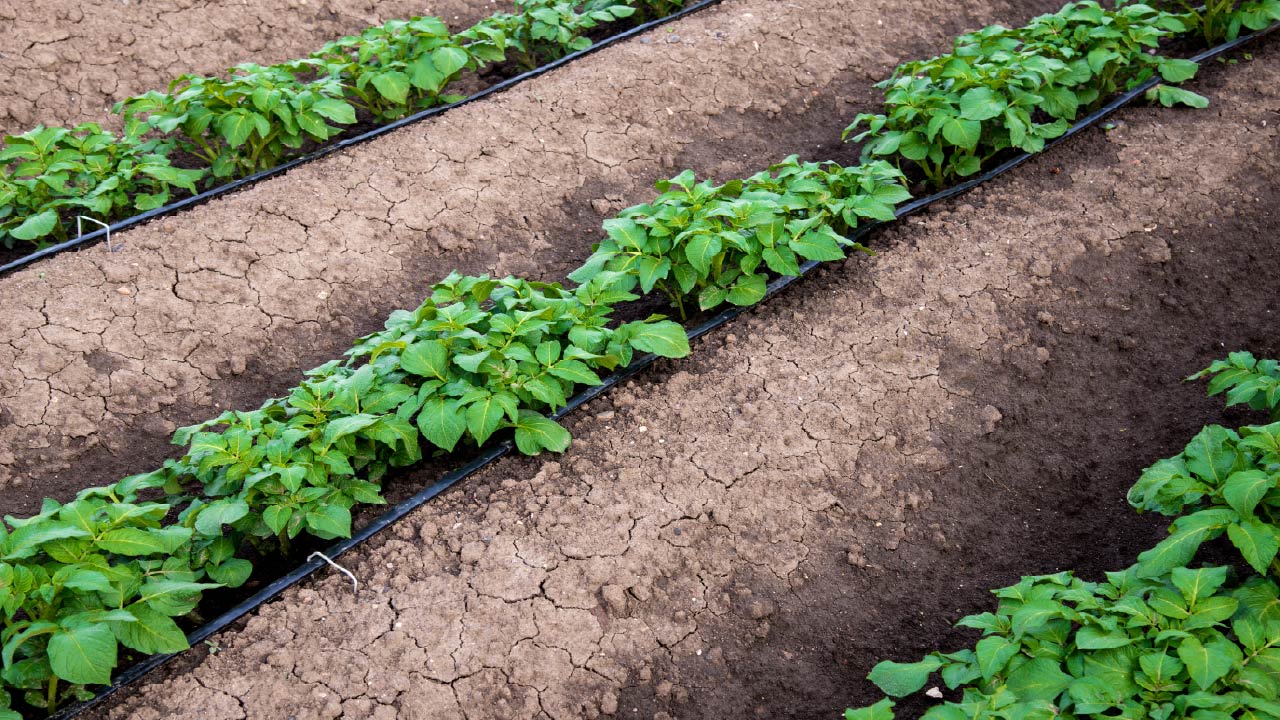
Drip Irrigation Installation for Beginners: Easy DIY Setup Guide
Mar 11th 2026
Installing drip irrigation is quick and easy, but you need to learn some installation tips to ensure your system benefits you and your plants. A well-designed and well-installed drip system is the most efficient and sustainable irrigation solution for your garden, landscape, or farm. It conserves water and delivers it precisely to the plants' rootzone, boosting crop productivity while reducing costs.
If you're new to installing a drip irrigation system, this practical step-by-step guide will help you set it up properly and get the most out of your system. Our experts share the best drip irrigation installation tips, mistakes to avoid during installation, maintenance tips for long-term efficiency, and everything else you should know for a smooth setup.
Why Choose Drip Irrigation?
A drip irrigation system is becoming a preferred choice for gardeners and landscapers due to its amazing benefits.
The benefits of the Drip Irrigation System include:
- Water Efficiency: Delivers water directly to plant roots, reducing evaporation.
- Healthier Plants: Prevents overwatering and fungal diseases.
- Low Maintenance: Minimal weed growth and less runoff.
- Cost-Effective Irrigation: Reduces water bills over time.
DiscoverHow Drip Irrigation Is Revolutionizing Farming and Gardening
Drip Irrigation Installation Tips
1. Plan Your Drip Irrigation System Properly
One common mistake beginners make is skipping the planning phase. Before installation, it's important to plan the system properly and define the following factors.
Crop type: Consider the plants you are watering because different crops have different water requirements.
Garden area: How large is the garden area? The size of the garden influences system design and the amount of equipment needed.
Water source: Ensure you have a clean, sustainable water source.
Ask yourself: Is the garden flat or sloped? What is your water pressure?
Planning Tips
- Group plants with similar watering needs together in the same zone.
- Measure your garden area accurately.
- Sketch a system layout before buying materials.
- Identify your water source location.
- Check your available water pressure (20-40 PSI is ideal for drip systems) and flow (GPH).
2. Choose the Right and High-quality Drip Irrigation Components
Always use the best quality drip irrigation parts from trusted irrigation stores. Cheap emitters can damage your system and waste water and can ruin your landscape. In addition to buying quality components, you must first understand all the drip components to choose the right one.
Essential Drip Irrigation Components
- Mainline Tubing (½ inch or ¾ inch)
- Micro Tubing (¼ inch)
- Emitters (PC or Non-PC)
- Drip Tape (for vegetable rows)
- Filters
- Backflow Preventer
- Pressure Regulator
- Irrigation Controller
- Connectors, Elbows, and Tees
Get all these quality components of top brands at the most affordable prices!
3. Install the System Carefully Step-by-step
Once you have gathered all the components, it's time to install your drip irrigation system. Here is how to do it.
1. Connect to Water Source
Install the filter and pressure regulator on your water source. This is to ensure a clean water supply. The next step is to attach the mainline tubing to the source.
2. Install Mainline Tubing
Run the tubing along your garden and secure it with hold-down stakes. Make sure it is straight and untangled for smooth water flow.
3. Add Emitters
Use a hole punch tool to attach a branch line to reach nearby plants or to make a hole to insert emitters into the tubing near each plant.
4. Install Driplines or Emitter tubing
Lay out Emitter tubing or ¼" soaker dripline for row plants in raised beds and secure them with landscape stakes. Connect the driplines to the mainline tubing using proper fittings. Make sure all connections are secured.
5. Close the System
Cap the end of the tubing with end caps. It is also best to flush the system before final closing to remove debris.
6. Test the System
Once the system is installed, turn it on slowly. Test the system for any leaks, ensure even water distribution, and monitor water flow and system pressure.
4. Cover and Secure the Tubing
To protect your investment, cover the tubing with 2 to 3 inches of mulch to shield it from UV exposure and foot traffic damage. However, avoid burying too deep. Mulching also reduces evaporation and improves moisture retention.
Common Beginner Mistakes to Avoid During Installation
From beginners to experienced gardeners, anyone can make mistakes. It is crucial to note them and address them early to prevent future worries.
Not Installing Pressure Regulator
A drip irrigation system operates at low water pressure (usually between 20 and 40 PSI). However, household water pressure ranges from 50 to 80 PSI, and can even be higher. High water pressure can damage emitters and tubing.
How to Avoid it: Install a pressure regulator at the water source and choose one specifically rated for drip irrigation.
Skipping Filter
Drip emitters have very small openings. Small particles like sand, algae, rust, or debris can clog them. Without a filter, your emitters will clog frequently, leading to uneven watering for your plants.
How to Avoid it: Install a screen or disc filter during installation. Choose a filter based on the quality of your water supply and the size of your system.
Using Too Many Emitters on One Line
When too many emitters are installed on a single line, watering becomes inconsistent: water pressure drops toward the end, plants near the source receive more water, and plants farther away receive less.
How to Avoid it: Before installation, know your water flow and calculate total gallons per hour (GPH). Make sure the emitters' flow rate does not exceed your water source's capacity. If you have a large area, divide it into separate irrigation zones.
Poor Plant Grouping
Different plants have different water needs. Grouping drought-tolerant plants with high-water-loving plants can lead to overwatering, underwatering, weak growth, and root rot.
How to Avoid it: Group plants with similar watering needs together. Create separate irrigation zones for vegetables, drought-tolerant plants, shrubs, and trees.
Leaving Tubing Exposed to the Sun
Most drip irrigation tubing is made from polyethylene. Although it is UV-resistant, prolonged sun exposure can weaken it over time, leading to cracking, shifting out of position, and brittleness.
How to Avoid it: Lightly cover the tubing with a few inches of mulch. Secure it with landscape hold-down stakes.
Learn How to Save Time with a Drip Irrigation System!
Routine Maintenance Tips for Long-term Success
Once you have installed your drip irrigation system, give it regular care and maintenance to keep enjoying its benefits.
- Inspect emitters and drippers regularly for clogging and clean them when needed.
- Open the end caps and flush the mainlines monthly to remove any debris.
- Clean filters regularly.
- Check for leaks by walking through your tubing and looking for any extra wet or dry spots.
- Tubing can crack or develop kinks due to external factors. Inspect it routinely and replace the damaged part.
- If you live in a cold climate with freezing temperatures, winterize your drip irrigation system. Drain all water from the tubing, then insulate the exposed components.
The Bottom Line
Drip irrigation is the smartest way to create your dream garden and landscape. Installing a drip irrigation system for the first time may feel overwhelming, but it becomes really easy when you follow the above tips and break the installation process into manageable steps. As a beginner, it is best to start small with one or two garden beds and expand as you gain experience and confidence. Follow these installation tips for a successful setup that helps you save water, improve your plant growth, reduce water bills, cut maintenance time, and create a sustainable, thriving garden.
At DripWorks, we offer comprehensive drip irrigation solutions for all crops, gardens, and landscape sizes. We offer high-quality drip irrigation components and accessories, as well as ready-to-install drip irrigation kits for every gardener. Visit our store at dripworks.com to get smart irrigation solutions at the most affordable prices.