
Best Crops for Southern Winter Gardens an Easy Guide for Beginners
Feb 18th 2026
Winter gardening in the southern climate is one of the most productive and enjoyable times of the year. Southern gardeners who experience a mild or no-frost winter in their location can grow a bounty of produce in the cool months to keep their garden productive despite the cold. For many gardeners in the southernmost regions, this is the best time to grow cool-season-loving crops. While summers in the South can be brutal and make it difficult to keep many plants alive, winters are extremely pleasant and can fill your winter vegetable garden with an abundance of produce.
Gardeners in the South, especially those in USDA Hardiness Zones 7 to 11, can continue planting, harvesting, and enjoying their gardens throughout the winter months. You can even grow a kitchen garden year-round in most areas.
So, if you're dreaming of creating a thriving Southern winter garden, grab your coffee and let's read this guide for a complete process.
Understanding Southern Winter Conditions
Winters in the Southern United States are milder and shorter than those in Northern regions, though they can vary widely by location. USDA Zone 7 may experience frost and random freezes, while Zones 8 and 9 have cool but manageable temperatures. Winter in the South offers unique benefits, such as fewer pests, milder temperatures, and a slower pace, making it an ideal season for thoughtful gardening. You can garden nearly year-round in Zones 10 and 11 because they usually remain frost-free. However, Southern winters can still bring unexpected cold snaps, torrential rain, or temperature swings, so you should be aware and make necessary preparations.
Moreover, it is recommended to know your local frost dates and winter lows to make the right planting decisions. Winter gardening in the Southern climate is about working with seasonal rhythms and choosing suitable plants.
Cold Season
In the South during the cold season, the average temperature stays below 35 degrees Fahrenheit, so there'll be freezing temperatures and possibly snow or rain. You can grow some hardy plants in these conditions, but it will be difficult without covers. Some plants grow well with mild freezing or snow, but others will die.
Cool Season
The cool season is a great season in Southern regions, allowing you to grow many things in your garden. In this season, the temperature stays between 35 and 65 degrees.
Warm Season
The warm season in the South is also excellent, with average temperatures ranging between 65 and 85 degrees.
Now, let's take a deeper look at what you can grow in your Southern winter garden.
Best Vegetables to Plant in a Winter Vegetable Garden in the South
As we mentioned, the best gardening you can do in South is in the winter months, when the weather is cooler, and rain is more common, and plants are usually happier growing than in scorching summers.
Below are some great ideas for vegetables to grow:
Cool-season Vegetables
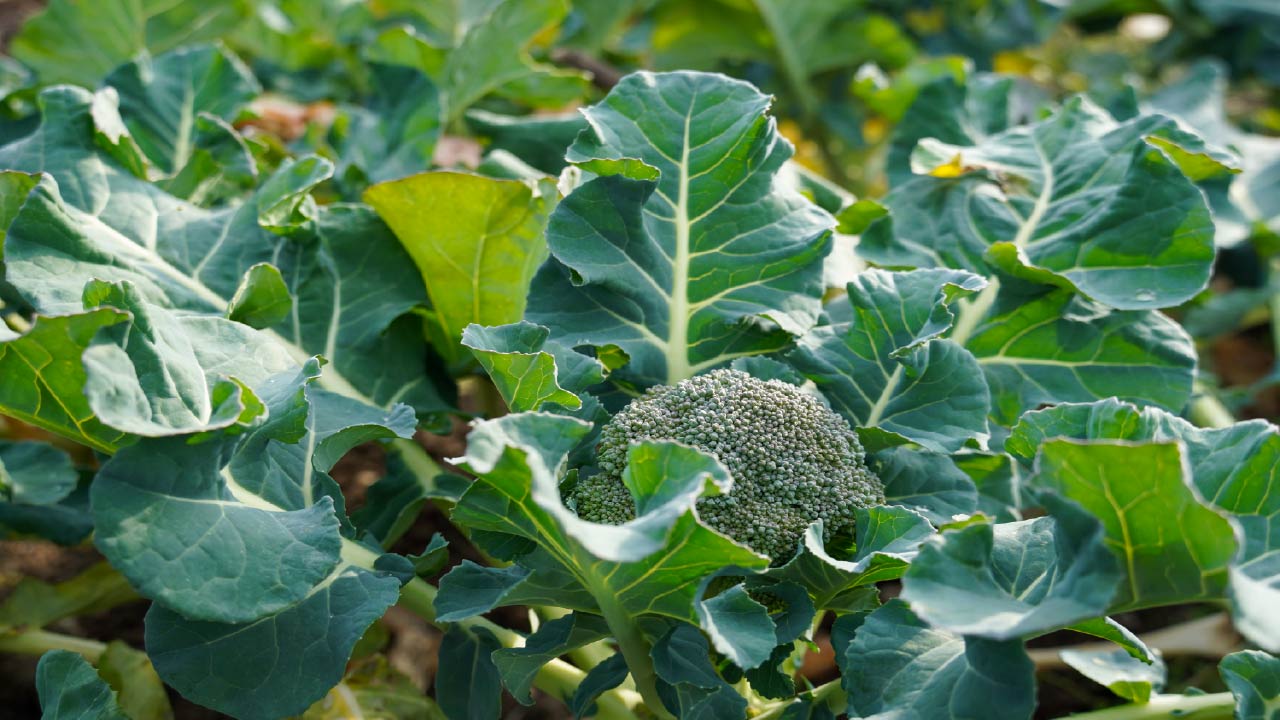
- Winter is the prime season for cool-weather-loving crops. They include broccoli, cabbage, cauliflower, carrots, beets, radishes, arugula, onions, garlic, spinach, celery, chives, lettuces, kale, rhubarb, snap peas, and Swiss chard.
- The hardiest vegetables are leafy greens, garlic, leeks, cabbage, radishes, Brussels sprouts, turnips, mustards, rhubarb, broccoli, and kale. These crops can survive freezing temperatures and even light snow. They also become sweeter after a gentle frost.
- Root vegetables like beets, carrots, turnips, and radishes grow underground, so they're reliable winter staples.
- Carrots, beets, lettuces, peas, cabbage, Swiss chard, and celery are examples of semi-hardy crops that can tolerate a mild frost. Their roots will survive, although some of the top greens can die back.
- In warmer climates, gardeners can also grow peas, leeks, fava beans, and garlic, which develop throughout the winter and mature in early spring.
Warm-season Vegetables
Garlic, onions, peppers, cucumber, tomato, zucchini, eggplant, arugula, bush beans, pole beans, chives, kale, squash, Swiss chard, and strawberries.
Also Read: The Top Garden Design Trends for Next Spring
Best Herbs for a Winter Garden in the South
Herbs grow exceptionally well in a Southern climate, as most herbs prefer a little cooler weather. Cool-weather-loving herbs include rosemary, oregano, sage, thyme, cilantro, mint, dill, and lavender. On the other hand, warm-season herbs include basil, thyme, oregano, rosemary, sorrel, and sage.
Many herbs can withstand a light freeze, but excessive moisture can kill them. Therefore, we recommend growing your herbs in pots so you can move them indoors or under cover on the harshest days. Another option is to grow them in raised beds and cover them with a frost cover when you are getting a deeper freeze.
Best Flowers to Plant in a Winter Garden in the South
Southern winter gardens aren't limited to edible crops. There are many beautiful flowers and ornamental plants that thrive during the winter months.
Hardy Annuals
Hardy annuals are seed-grown flowers that can be started in the fall or late winter. They grow, bloom, and die all within one year. These include beauties like pansies, poppies, snapdragons, stock flowers, yarrow, statice, and feverfew.
Most of these lovely plants can handle light frost or even freezing temperatures, but it is still important to check their hardiness zone.
Bulb and Corms
Bulbs include tulips, daffodils, hyacinths, lilies, crocus, ranunculus, and anemones. These plants need vernalization to produce flowers, and some require much more than others. The vernalization process is the cooling during germination to speed up flowering.
Biennial Flowers
Biennial flowers are grown from seed planted the previous year, and they flower the next year. The best biennial flowers for your Southern garden include foxglove, hollyhocks, sweet Williams, and Canterbury bells. They are usually planted in mid to late summer or fall, grow a small amount of foliage during the winter, and then explode with growth and lovely blooms in the following spring or summer.
Winter Gardening Tips for the Southern Gardeners
Here are a few expert tips growing a winter garden successfully in a southern climate.
Be Ready for Sudden Temperature Shifts
Before planting, consider the worst weather you may experience. Monitor weather forecasts regularly to act quickly when temperatures suddenly drop. Always be prepared for sudden changes in temperature to avoid being caught off guard.
Protecting Plants from Cold Snaps
Occasional freezes in Southern winters can threaten tender crops. Use frost covers, blankets, old sheets, or towels to cover plants overnight to help retain heat and prevent frost damage. Additionally, mulching around plants insulates roots and regulates soil temperatures. Remove the coverings when the temperature increases to let your plants get some sunlight and airflow.
Move container plants closer to buildings or under covered spaces for extra warmth. Plant crops in raised garden beds as they drain better and warm the soil faster than in-ground gardens.
Water Wisely
Wintertime reduces the need for watering, yet consistent moisture remains important for most crops. Drip irrigation systems are recommended to water your Southern winter garden. These smart systems deliver water directly to the roots, reducing water waste, preventing overwatering, and lowering disease risk. Overwatering plants is a common mistake gardeners make during cooler months because evaporation slows and soil remains wet longer. Water only when the top few inches of soil feels dry and avoid watering late in the day.
Also Read: How to Save Time with a Drip Irrigation System
Protect Soil Health
The winter season is perfect for improving your soil health. Southern gardeners can improve soil structure and boost its fertility without pressure because plants are growing slowly. Add compost, organic mulch, or aged manure to replenish nutrients and support beneficial microbes that remain active in cooler temperatures.
Try Cover Cropping
Consider planting cover crops like winter rye, oats, or clover. A cover crop is one you plant to leave in the soil to die, or till in when the area is needed. They offer many benefits to your garden, including preventing erosion, reducing weeds, fertilizing the soil, and improving soil quality. They'll add organic matter to the soil in the spring that boosts long-term productivity.
Plan for the Next Growing Seasons
The pleasant winter weather in the South gives gardeners a valuable opportunity to reflect, observe, experiment, and plan for the seasons ahead. Review your garden successes and challenges from the past year, order seeds, design new raised garden beds, plan crop rotations, repair garden tools, and inspect your garden irrigation system. This preparation will make the transition into spring smoother and more rewarding.
The Bottom Line
The best gift of Southern winter gardening is the opportunity it gives you to stay connected to nature and your beloved garden throughout the year. Growing a winter garden in the southern climate is highly worthwhile. The cooler temperatures and consistent growth provide a soothing experience. When you harvest fresh greens in January or prepare healthy soil on peaceful winter mornings, you'll feel a deep sense of satisfaction.