
7 Cold-Tolerant Flowers You Should Sow Before Spring
Mar 12th 2026
Several garden flowers don't appreciate the cold, but many beautiful flowers are cold-tolerant enough to handle chilly nights, light frost, and unpredictable weather while filling your space with vibrant colors when most gardens are just waking up. Sowing these cold-tolerant flowers early can yield earlier blooms than warm-season flowers and bring life to your garden right after the gloomy winters. The key to keeping your blooms alive is knowing your USDA Hardiness Zone, ensuring your climate is best suited to the plant you want to bring home, and understanding the plant's limits to provide protection at the right times.
This list of cold-tolerant flowers is ideal for filling your early spring garden with beautiful color and fragrance. All these plants thrive in cool soil, grow well in early spring conditions, and reward you with gorgeous blooms long before summer flowers appear.
1. Pansies and Violas
Pansies and violas are the most popular cold-tolerant flowers. These cheerful blooms are known for their bright colors that instantly add charm to your garden beds, raised beds, borders, and containers. Their blooms are also edible and make a lovely addition to your salads or desserts.
Pansies are perfect for gardeners who want an early burst of color while other plants are still dormant. On the other hand, violas are the smaller, tougher cousins of the pansy. They are famously edible and can often survive being buried under an unexpected spring snowfall.
Why Choose Them for Early Sowing
Both pansies and violas can handle cold weather remarkably well and can survive light frosts without damage. In fact, cool temperatures often enhance their flower color and longevity. They are a staple of winter gardens since they perform their best in cooler weather. Their bright hues and intricate patterns instantly uplift gloomy gardens, even when frost occurs.
Growing Tips for Pansies and Violas
- Start seeds 6–8 weeks before the last frost.
- Plant in well-drained and nutrient-rich soil.
- Choose a garden location with full sun to partial shade.
- Keep soil consistently moist but not soggy.
2. Calendula
Calendula, also commonly known as pot marigold, is one of the easiest flowers to grow in cool weather. Its sunny yellow and orange blooms will brighten your garden during chilly spring days. It is appreciated for its warm colors and versatility. These beginner-friendly blooms can tolerate a variety of weather conditions, including frost and drought, while still bringing their sunny flowers.
Benefits of Growing Calendula Early
Calendula seeds germinate well in cool soil, and plants are highly frost tolerant. They grow quickly, making them ideal for early-season color. The edible blooms of Calendula are used in teas and dyes, and they attract beneficial pollinators to your yard.
Calendula Growing Tips
- Start seeds directly outdoors before spring.
- Choose a sunny location.
- Sow in well-drained soil.
- Deadhead spent flowers to encourage more blooms.
Discover The Top Garden Design Trends for Next Spring
3. Sweet Peas
Sweet peas are beloved for their delicate blooms, ruffled petals, and incredible fragrance, perfect for cutting gardens. These are climbing flowering plants that produce elegant flowers that look beautiful on trellises, fences, and garden arches. Few ornamental plants are as perfect for cool seasons as sweet peas.
Why Choose Sweet Peas
Sweet peas actually prefer cooler temperatures and struggle as summer heat arrives. Plant them early in your winter garden to allow them to establish strong roots and produce abundant blooms before the hot weather arrives.
Sweet Peas Planting Tips
- Sow seeds directly in the garden before spring.
- Plant them in a sheltered spot to protect younger plants from harsher cold winds.
- Provide support structures such as trellises or fencing.
- Soak seeds overnight to improve germination.
4. Snapdragons
Snapdragons are classic garden flowers known for their unique dragon-shaped blooms and tall spikes of colorful blooms. They perform exceptionally well in mild climates, survive light frosts, and produce waves of vibrant color throughout the season. In addition to being frost-tolerant, they attract pollinators and are great for filling gaps as spring and summer blooms fade. Like pansies and violas, you will easily find a color you love when choosing snapdragon varieties.
Why Snapdragons Tolerate Cold Weather
These plants love cool temperatures and can survive light frosts. Starting them early allows them to produce strong stems and earlier blooms. Plant snapdragon in round containers where the flowers can really shine, or mix taller varieties with other annuals in garden beds for some extra height.
Snapdragons Growing Tips
- Start seeds indoors at least 8 to 10 weeks before the last frost.
- Transplant outdoors once seedlings are established.
- Plant in full sun to partial shade.
- Snapdragons will wilt in the hot sun, so make sure to plant them in at least partial shade if not full shade outdoors.
5. Iceland Poppies
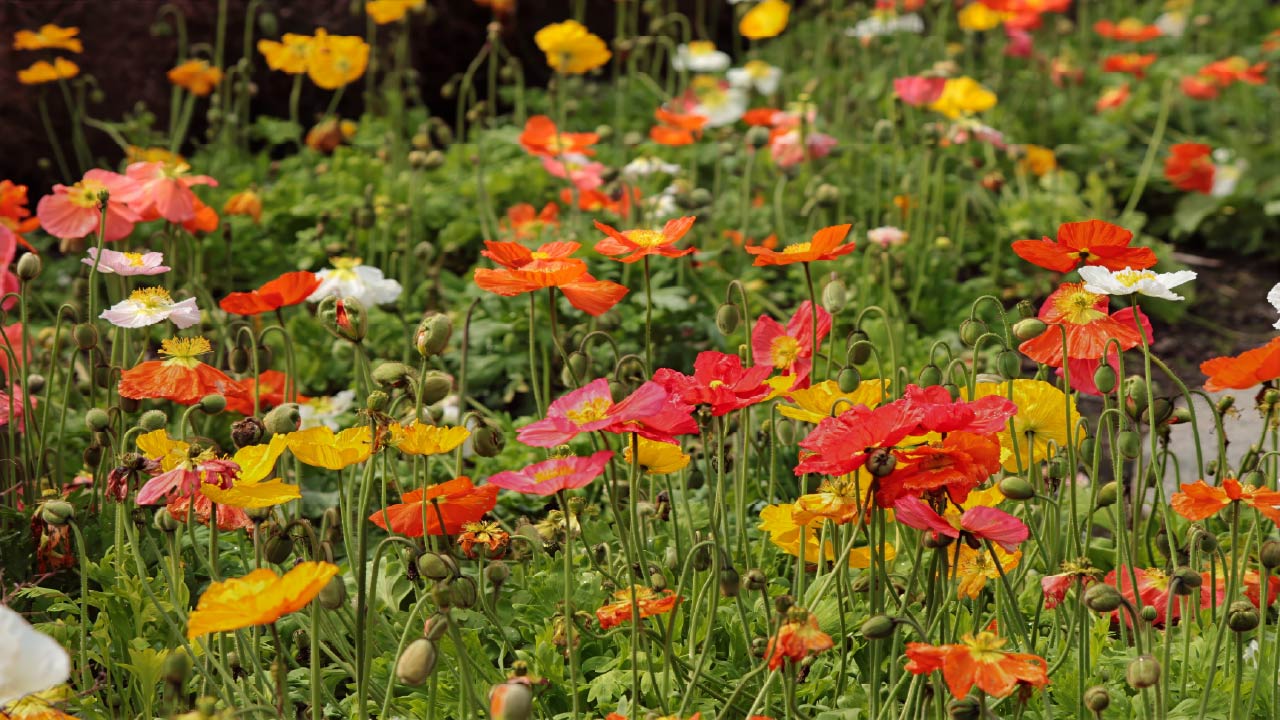
Iceland poppies bring vibrant colors and delicate paper-like petals to the spring garden. Iceland poppies thrive in frigid temperatures. The name of these gorgeous flowers is a clue to their frost-hardy nature. A staple in most cut-flower gardens, its tall stems make putting together arrangements a breeze. This winter flower adds a lovely pop of color to the gray winter landscape. In mild climates, it'll begin to bloom as early as mid-February to early March.
Why Plant Them Early
They prefer cool weather and make excellent plants for spring flower beds. The stunning, silky blossoms in raised beds and containers will enhance the beauty of your landscape.
Growing Tips for Poppies
- Sow seeds directly in a permanent spot and avoid moving seedlings once established.
- If started indoors, transplant carefully because their roots are sensitive.
- Scatter seeds thinly across the soil surface.
- Water lightly but consistently with drip irrigation during early growth.
6. Dianthus
Dianthus flowers produce stunning, fragrant blooms in shades of pink, red, and white. Many dianthus varieties tolerate cooler temperatures and bloom beautifully in spring. They are full of intricate and beautiful blooms that look eye-catching in any cottage garden. From the delicate sweet William variety to carnation and cottage pinks, there are endless wonderful varieties to choose from.
Why Dianthus Works Well in Early Spring Gardens
Dianthus is a cold-tolerant perennial that produces blooms of lovely clove-like fragrance. Its flowers attract pollinators, making it perfect for spring gardens. Dianthus blooms from spring through summer, depending on the varieties. Although its flowering period ends in summer, the plants can still handle light frost well without dying back.
Growing Tips for Dianthus
- Plant in full sun.
- Start seeds indoors 8 to 10 weeks before your last frost date.
- Continue planting until early summer for bloom the next season.
- Plant in well-drained soil.
Discover2026 Outdoor Living and Landscaping Trends to Transform Your Backyard
7. Alyssum
Sweet alyssum is a beautiful and versatile annual. Sweet alyssum is a low-growing plant known for its tiny blossoms and a sweet, honey-like fragrance. It produces adorable carpets of white, pink, or purple blooms. They look just as great alone in containers as they do mixed with vegetables in your raised beds, attracting pollinators and flowering abundantly in milder conditions.
Alyssum is an excellent flowering plant for containers, flower borders, and pollinator-friendly landscapes.
Why Alyssum is Perfect for Cool Weather
This flower grows well in mild temperatures and can even tolerate chilly nights, making it an ideal early-season plant. However, it is recommended to protect your young plants with lightweight row covers until they are established to prevent frost from damaging the new growth.
Alyssum Growing Tips
- Sow seeds directly in the garden before spring.
- Plant in full sun or light shade.
- Trim plants lightly with sharp pruners to promote continuous blooming.
Tips for Successfully Growing Cold-Tolerant Flowers
Sowing flowers before spring can be incredibly rewarding, but a few best practices can give you successful results.
Know Your Local Frost Dates
It is important to understand your region's frost schedule to determine the best planting time. Aim to sow your seeds in the ground 4 to 6 weeks before your area's average last frost date.
Improve Soil Health
Amend your soil with compost or other organic matter before planting to provide a slow release of nutrients as the soil warms. This will help improve the structure and fertility of your garden soil.
Protecting Young Plants
Even the tough plants need a little protection. Use row covers or mulch if unexpected cold snaps occur.
Avoid Overcrowding Plants
Thin seedlings early to promote strong growth and good air circulation in plants.
Water Smartly
In late winter to early spring, the soil is still cool, and there is a strong chance of rainfall. So avoid overwatering the plants.
The Bottom Line
Hardy flowers like pansies, violas, sweet peas, Iceland poppies, and others on the list thrive in cool conditions and reward you with vibrant displays long before summer flowers appear. Most importantly, starting them early before spring helps gardeners spread out planting tasks instead of trying to do everything once the weather becomes warm.
With the right selection of hardy flowers, your garden can transition from winter to spring with color, fragrance, and life already in full bloom. Grab your garden tools, pull out seedling trays, choose your favorite flower varieties, and get planting the beautiful spring-blooming flowers.