
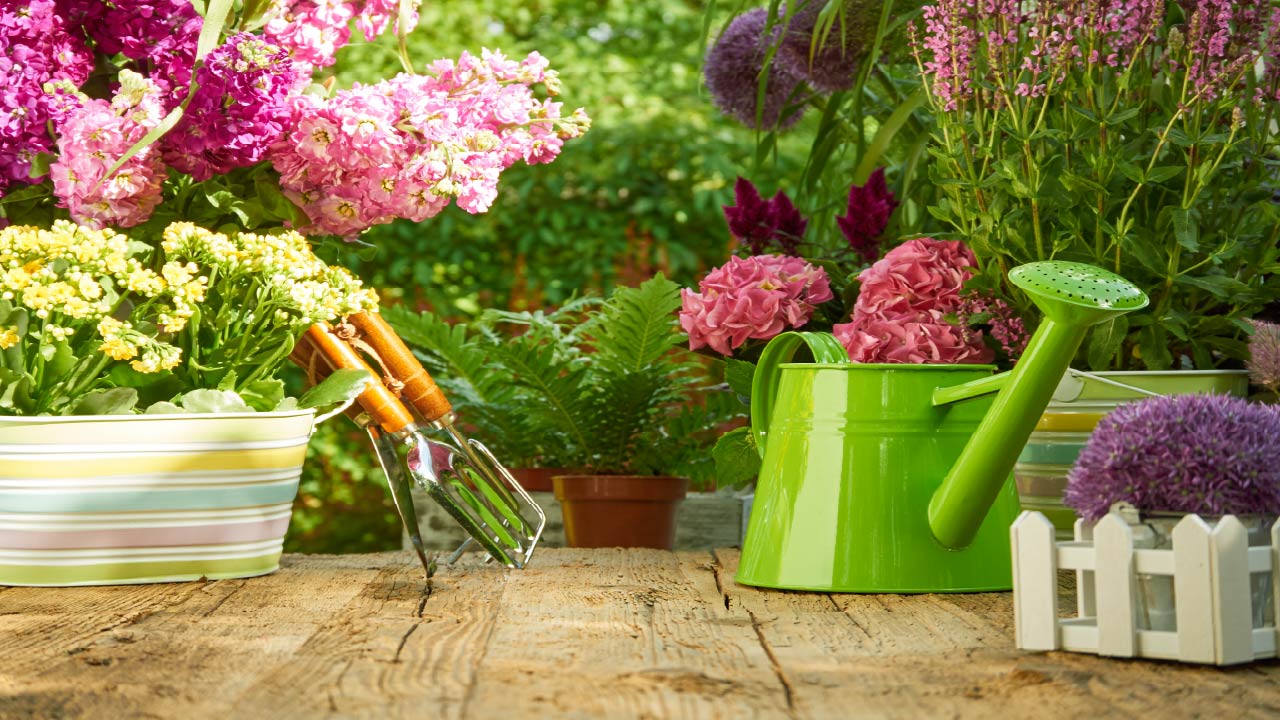
Summer Garden 2026: 8 Ideas and Maintenance Tips
Jul 2nd 2026
The best summer garden ideas 2026 involve enhancing your garden's architectural elements, showcasing vibrant seasonal blooms, creating a climate-resilient garden, and making the most of your outdoor living space. A beautiful summer garden requires some care and effort, but the reward is a transformed space you can fully enjoy with family and friends when summer arrives. Summer is the peak season in the garden as flowers are blooming, vegetables are producing heavily, pollinators are active, and outdoor spaces become natural extensions of the home.
Before the peak of summer 2026 hits, adopt new gardening ideas to transform your outdoor space into a beautiful, functional space. Here are 8 modern summer garden ideas, along with essential maintenance practices to keep your garden thriving throughout the hottest months of the year.
1. Mix Beauty and Harvests for a Stunning Edible Landscape
The traditional, hidden-away vegetable patch has been replaced by foodscaping, the art of adding edible plants to your front yard, mixed borders, and ornamental beds. Instead of hiding vegetables behind fences or in dedicated plots, plant them in your ornamental beds and front-yard landscapes.
How to Style It:
- Intermix rainbow Swiss chard with annual flowers.
- Plant blueberry shrubs as foundation plantings.
- Edge your walkways with multi-beneficial herbs like rosemary and creeping thyme for an amazing summer fragrance.
- Plant strawberries as groundcovers.
- Add dwarf fruit trees in landscape borders.
Add Tabletop and Hanging Edibles: Cultivars like hanging-basket cucumbers, table-top mini chilies, and compact eggplants will look fascinating in patios.
2. Create a Climate-Resilient Garden That Thrives Through Heat and Drought
Extreme weather conditions have become a major challenge for gardeners. Climate change is causing droughts, heat waves, heavy rainfall, and unexpected temperature swings, which require you to adopt new sustainable gardening plans to prepare the garden for harsh conditions.
One modern summer garden idea is to design a climate-resilient garden that can withstand environmental stress while remaining attractive and productive.
How to Create a Resilient Garden?
- Plant native plants, deep-rooted perennials, and drought-tolerant species.
- Add rain gardens by planting water-loving plants.
- Install shade structures.
- Create a gravel garden. It is a low-maintenance design approach that delivers texture, structure, and visual interest without feeling empty.
- Provide water-efficient irrigation for the garden using drip irrigation.
Discover 10 Hurricane-Resistant Landscaping Ideas
3. Decorate Your Garden with Sculpture and Shape
This garden idea combines living plants with artistic elements to create a garden that remains stunning throughout the summer and beyond the growing season. A thoughtfully placed sculpture or feature can add depth and drama to your garden. Place your sculpture where its form and texture contrast with the surrounding plants and foliage.
Consider relocating existing sculptures to bring new interest to your garden, or invest in a new piece if you are changing your garden's style.
Ideas to incorporate sculpture and shape into your garden
- Use decorative obelisks to support climbing plants.
- Add metal raised beds and planters for a contemporary feel. Raised garden borders filled with gorgeous perennials and evergreen shrubs bring structure, shape, and seasonal color to your summer garden.
- Shape evergreen shrubs into spheres, cones, or layered forms.
- Add topiary shrubs, ornamental grasses, clipped hedges, and plants with striking forms.
- Create contrast by mixing plants with bold architectural foliage and softer textures.
- Create straight-edged or rectangular borders to give your garden a more structured feel.
- Create simple curved borders to lead the eye through your garden and create a sense of flow.
4. Create a Magical Night Garden to Transform your Summer Evenings
Gardens shouldn't go to sleep when the sun goes down. With summer daytime temperatures hitting highs, more of us spend time in yards during the cooler nighttime hours. This has brought the trend of the Glow Garden that remains alive at night. Glow gardens are designed to be enjoyed after sunset through fragrance, lighting, and plants that shine in low-light conditions.
Features of a Night Garden
- White flowers
- Silver foliage
- Fragrant blooms
- Stunning landscape lighting
- Reflective hardscape materials
Add Bioluminescent Plants
A recent innovation in modern gardening is the popularity of genetically engineered plants like Petunia 'Firefly.' These plants emit a soft, natural green glow-in-the-dark entirely on their own. Other glowing plants to add to your glow garden are moonflower, jasmine, white petunias, nicotiana, dusty miller, and lamb's ear.
Fill Your Evenings with Silver Tones and Sweet Aromas
To enhance the beauty of moonlit gardens, combine these glowing plants with silver-foliaged varieties and plants that bloom after sunset. Plant fragrant, glowing varieties such as Summer Soul Arabian Jasmine or evening primrose near outdoor seating areas like decks and patios. The white petals of these flowers reflect the moonlight, and their rich fragrances peak in cool evening hours.
5. Handle the Summer Heat with a Smart Irrigation System
Smart irrigation systems are water-efficient and affordable, and they allow you to automate watering schedules based on weather conditions, soil moisture levels, and plant needs. A drip irrigation system, or subsurface drip irrigation, is the most water-efficient garden irrigation method, delivering water directly to plant roots with minimal waste.
You can automate your drip system with a timer or smart controller. An automated irrigation system ensures your garden stays hydrated, even when you're away on vacation.
Modern automated drip setups use local weather data to adjust water delivery. If the forecast predicts a rain event in three hours, your system automatically delays its morning cycle to prevent root rot and save water.
2026 Modern Tools to Use for Smart Garden Irrigation
- Wi-Fi irrigation controllers
- Soil moisture sensors
- Weather-based watering systems
- Smartphone-controlled timers
- Smart drip irrigation systems
6. Establish a Wildlife-Friendly Garden Zone
Healthy and thriving gardens depend on healthy ecosystems. Create a garden that supports native bees, butterflies, hummingbirds, and beneficial insects throughout the growing season. So, set aside a portion of your landscape for wildlife habitat.
A pollinator powerhouse garden combines native flowering plants with host plants, fresh water sources, nesting habitats, and pesticide-free gardening practices.
What to Include in Your Wildlife-friendly Garden?
- Native wildflowers, pollinator plants, bird baths, bird cages, brush piles, and natural groundcovers.
- Refill water sources regularly with clean, cool water.
- Leave seed heads on some plants.
- Avoid excessive pruning.
- Reduce chemical use whenever possible.
7. Maximize Your Space with a Vertical Summer Garden
Vertical gardening allows you to expand your gardening to balconies, windows, walls, and trellises. If you have a small garden, this gardening method is the best way to make the most of your space.
Even gardeners with large yards are adopting vertical planting to increase production and visual appeal of the space. Vertical gardens create dramatic visual interest while maximizing productivity.
Vertical Garden Options
- Trellises
- Living walls
- Hanging planters
- Hanging baskets
- Vertical hydroponic systems
- Fence-mounted planters
Best Crops for Vertical Growing
Cucumbers, tomatoes, peas, pole beans, strawberries, and herbs.
8. Refresh Your Outdoor Living Space with a Garden Retreat
One of the most exciting summer garden ideas is refreshing your outdoor living space, especially your outdoor furniture.
Your patio furniture provides comfort and elevates the overall look of your outdoor space. It helps you create a wonderfully relaxed place to enjoy your coffee or evening drinks with your loved ones. Therefore, modern gardeners are designing landscapes around outdoor experiences rather than simply plant collections.
Your outdoor garden living room should combine lush plantings with comfortable gathering spaces. To mask noise and cool a hot patio, install architectural water features.
Small water troughs in the corners of your decking provide the gentle, crisp sound of moving water without taking up any space.
What to do
- Use plants as natural walls.
- Create defined pathways and trim plants away from walkways.
- Incorporate multiple comfortable seating areas.
- Add seasonal color throughout the summer.
- Clean hardscaping regularly.
- Clean outdoor furniture regularly.
- Match your furniture and seating style with your home.
- Install stunning modern outdoor lighting to make your outdoor space more charming and useful.
2026 Outdoor Living and Landscaping Trends to Transform Your Backyard
Summer Garden Maintenance Tips
All gardens require a smart, proactive summer maintenance routine to thrive fully in the hot weather. As temperatures hit their peak in July and August, follow these practices to keep your outdoor oasis healthy and gorgeous.
Hydrate Wisely and Deeply
Shallow, daily watering is not recommended for your garden because it encourages plant roots to remain near the soil surface, making them highly vulnerable to the summer sun. Instead, water your garden beds deeply once or twice a week, depending on the weather and plant needs.
Use drip irrigation to water your plants in the garden, raised beds, containers, and pots. This irrigation method delivers water to the roots, helping them grow downward into the cooler, moisture-retaining layers of the soil. Also, always water in the early morning hours to minimize evaporation and prevent fungal diseases from setting in overnight.
Deadhead and Harvest Frequently
Regularly pinch back spent flowers on salvias, coneflowers, dahlias, and other flowering plants to encourage a second flush of gorgeous blooms that will carry your garden beautifully straight into the fall.
Harvest vegetables regularly to encourage continued fruit production, better plant appearance, and less disease risk. You can share your herb and veggie harvests with neighbors and friends, or freeze, dry, or pickle them for winter use.
Inspect Tomato Plants
Keep a close eye on your tomato plants in June and July. Get your best pruners and remove the non-fruiting suckers and lower yellowing leaves. This improves air circulation, prevents the summer blight, and forces the plant to direct all its energy to ripening fruit.
Lock In Moisture with Organic Mulching
Never leave bare soil in your garden beds exposed to the intense summer sun. Uncovered soil dries out rapidly, hardens, and invites weed growth. So, apply a 2- to 3-inch layer of organic mulch, such as shredded bark, compost, grass clippings, or clean straw, around all your plants. Mulch acts as a protective blanket that lowers soil temperatures by up to 10°F and reduces your garden's overall water consumption by nearly 50%.
Catch Garden Problems before they Spread
Pest populations can increase rapidly in summer due to the active growing season. Therefore, you need to inspect plants regularly for aphids, hornworms, spider mites, whiteflies, and Japanese beetles. Use natural, safe ways to get rid of garden pests. Plant strong-smelling herbs like basil, mint, rosemary, and marigolds next to your vegetables to confuse and deter pests.
Keep cool
In hot summers, consider the best ways to cool off your yard. Plants are natural air conditioners. Areas under trees can be up to 20° cooler than sunny spots. Plant a tree to shade the outdoor seating area in your patio or deck and place benches and chairs underneath existing trees. Additionally, install an eye-catching fountain, pool, or any other small water feature near your patio for a cooling evaporation effect and enjoy the relaxing sound of moving water.
Help Your Garden Survive Heat Waves
Extreme heat can stress even healthy plants, so prepare your garden before heat waves arrive. Water deeply, refresh mulch, add temporary shade cloth, and avoid fertilizing plants that are already stressed.
Shade cloths or trellises can protect tender greens and blooming annuals during the hottest part of the day, helping prevent leaf burn and plant loss.
Plan big
While the weather is pleasant, you can handle major projects now, such as laying pavement for a new patio, building a pond or path, installing a new fence, adding more trellises, or addressing drainage issues in the garden.
The Bottom Line
Summer is a time to enjoy your garden and make it a functional space to host gatherings. Modern 2026 gardens focus on embracing smarter, more sustainable approaches that combine beauty, productivity, and resilience. With some planning, you can make the best use of your summertime by prioritizing what needs to be done. Combine these innovative garden ideas with consistent summer maintenance practices, and you can have a healthier, more productive, and more enjoyable garden throughout the entire growing season.
Walk through your outdoor space, observe the plants, and smell the roses. Grill up some dinner, invite friends, relax on summer evenings, and enjoy your outdoor oasis.