
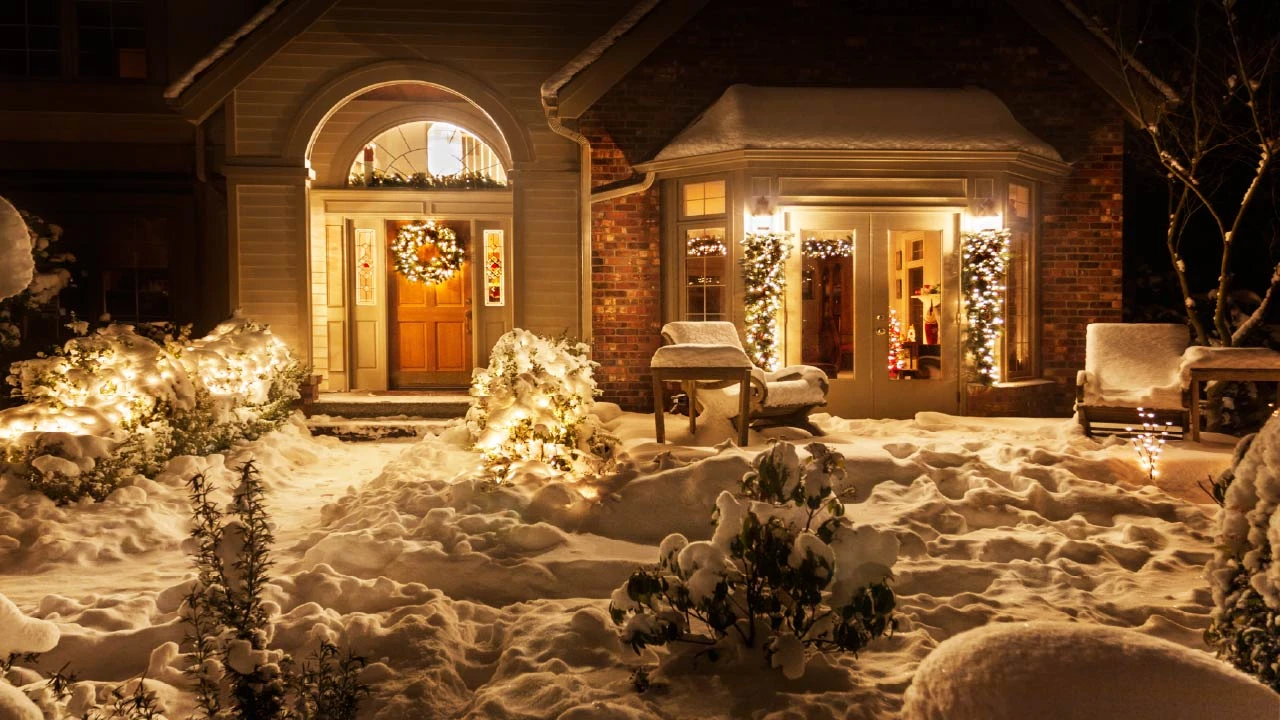
Outdoor Lighting Care in Winter: Essential Tips for Your Lights
Nov 17th 2026
As winter settles in and daylight fades, outdoor lighting does more than brighten a snow-covered landscape; it helps make every pathway, patio, and entrance safer and more inviting. Yet freezing temperatures, wet snow, road salt, and heavy ice can take a toll on fixtures, wiring, and bulbs. A few simple maintenance steps now can prevent frustrating failures, extend your lighting system's life, and keep your outdoor spaces glowing beautifully all season long.
This blog includes all the essential tips for outdoor lighting maintenance to enhance the beauty and safety of your property throughout winter.
Inspect Your Entire Outdoor Lighting System Before Winter
The best winter prep happens before winter. Before temperatures drop, take a slow walk around your property and inspect every part of your outdoor lighting system. You are looking for small problems that become big ones in January.
Turn on the lights after dusk and check each fixture individually. A light that worked perfectly in September may have a loose connection, a failing bulb, or a damaged lens by November.
Look for these lights.
- Pathway lighting: Check whether fixtures are upright, evenly spaced, and bright enough to illuminate walkways and steps.
- Spotlights and uplights: Make sure they still point toward the intended trees, shrubs, walls, or architectural features.
- Patio lighting: Inspect wall-mounted lights, deck string lights, and fixtures around seating and dining areas.
- Garden lighting: Look for lights hidden beneath overgrown plants, covered by fallen leaves, or pushed out of position by shifting soil.
- Security lighting: Test motion sensors, floodlights, and entryway fixtures to ensure they activate correctly.
- Wiring and connections: Check exposed cables, loose connectors, cracked insulation, and signs of water intrusion.
If a light flickers or won't turn on, investigate the cause instead of assuming the bulb needs replacing. Loose connections, a failing transformer, corrosion, or a damaged cable may be the reason.
Clean Outdoor Light Fixtures Before Snow and Ice Arrive
Summer dirt and debris do more than make outdoor lights look neglected. They can reduce light output, obscure lenses, and leave organic material trapped around fixture housings. As days shorten, you need maximum efficiency from every watt. Autumn is a good time to clean your landscape lighting before freezing conditions make maintenance more difficult.
How to clean outdoor lights safely?
- Turn off power at the transformer or timer.
- Clean lenses with a soft cloth and mild soapy water. Avoid harsh abrasive pads or chemical cleaners that can scratch protective lens coatings.
- Use a small brush or old toothbrush for vents and crevices.
- Then, rinse with a damp cloth, not a pressure washer.
- Dry completely before restoring power.
Check Outdoor Wiring, Connectors, and Electrical Safety
Winter weather conditions can expose problems in the parts of a lighting system you cannot easily see. If winter problems start anywhere, they start in the wiring. Most outdoor lighting failures that look like "bad bulbs" are actually bad connections. Water may enter damaged connections, soil movement can pull on buried cables, and repeated freezing and thawing can worsen existing weaknesses.
Here's what you need to do.
- Check wire connectors. Make sure they are tight and sealed. Waterproof or gel-filled connectors are worth the small extra cost.
- Bury or secure loose cable. Exposed wire is vulnerable to snow shovels, mowers, and curious squirrels.
- Keep slack at fixtures. A little extra cable allows for ground movement without pulling on connections.
- Watch for areas where you recently edged a lawn, planted shrubs, installed garden borders, or worked the soil with a spade. These activities can disturb shallow wiring without causing an immediate lighting failure.
Protect Pathway Lighting from Snow and Ice
Pathway lighting needs extra care during winter because it helps people navigate dark walkways, garden steps, driveways, and entrances. However, these fixtures are also among the easiest to damage during snow removal.
Here is how you can keep your pathway lights in good shape through the cold season.
- Mark fixture locations before snowfall. Use visible landscaping markers placed safely beside lights. This will show you where fixtures are located when you're clearing snow.
- Keep path lights upright. Check for tilted stakes or lights that have shifted out of position. Reset loose fixtures when the ground allows.
- Remove snow gently. Use a soft-bristled brush to remove snow covering the lens or light head. Avoid banging fixtures to dislodge ice.
- Keep your walkways visible. Clear snow from the walking surface without pushing large piles against nearby lights.
- Inspect after freeze-thaw cycles. Look for exposed wires, uneven fixtures, or lights that now shine directly into someone's eyes instead of illuminating the path.
10 Beautiful Lighting Ideas for Any Outdoor Pathway
Keep Spotlights, Uplights, and Garden Lighting Properly Positioned
Spotlights and uplights can make your winter landscape look magical. A soft beam directed through the branches of a bare tree creates a different effect from the same light aimed at a dense summer canopy. Evergreen shrubs, stone walls, ornamental grasses, and architectural features can all become focal points when the surrounding garden is dormant.
However, a little maintenance is needed to keep those effects looking intentional. Here is how to handle the spotlights and uplights.
- Check the direction of each spotlight. Make small adjustments after dark, when you can see the actual beam pattern.
- Gently brush snow off lenses with a soft broom or gloved hand.
- Never chip ice off a lens with a hard tool. You will scratch or crack it.
- Readjust fixtures after heavy snow or wind, because they can shift.
- Trim back branches that droop under snow load and block the beam.
Note: Use good garden tools, like Felco hand pruners, to remove small, obstructing branches when conditions are safe. Avoid aggressive pruning during freezing weather, as it could damage plants.
Garden Lighting
Garden lighting is more delicate. It includes small stakes, tiny fixtures, and decorative lanterns. Here's how to take care of them in winter.
- Bring indoors any fragile or decorative pieces not rated for freezing temperatures.
- Check that planting beds are not shifting around stakes as the ground freezes.
- Skip mulching directly over fixtures, which can trap moisture and block light.
Give Patio Lighting and String Lights Extra Attention
Patio lighting, deck lights, wall sconces, and outdoor string lights extend the use of your outdoor living areas into the colder months. If you have a fire pit or covered seating area, these lights will benefit you all winter. But their exposure varies depending on whether they are installed beneath a covered porch or across an open backyard.
- Gently remove snow from string lights and fixtures.
- Make sure all outdoor-rated extension cords and plugs sit off the ground in weatherproof covers.
- Store any decorative, non-rated string lights indoors until spring.
- Check the product's outdoor-use rating and installation instructions. Not every decorative string light can withstand year-round exposure to rain, snow, and freezing temperatures.
- Inspect cords for cracks, fraying, and damaged insulation.
- Remove branches, leaves, and other debris resting on light strings.
- Check plugs, sockets, and connections for signs of moisture damage.
Note: If you have a covered patio, make sure roof runoff doesn't pour directly onto wall-mounted fixtures or electrical connections. A sheltered location can still experience condensation, wind-driven rain, and splashing from melting snow.
Inspect the Transformer and Adjust Your Lighting Timer
The transformer and control system are easy to forget because they usually sit quietly in a corner of the property. However, they determine whether your outdoor lighting receives power and operates when needed.
Useful checks include.
- Keep the transformer elevated and protected. Mount it off the ground and away from snow drifts. Use a weather-rated cover if needed.
- Check for moisture. Condensation inside the enclosure indicates a problem.
- Keep vents clear. Snow, leaves, or debris can cause overheating.
- Test your GFCI outlet. Press the test and reset buttons. Cold weather can cause nuisance trips.
- Test smart lighting apps and scheduled scenes.
- Verify timer settings after a power outage.
- Reset timer schedule for winter. Sunset comes earlier. A timer set in July will leave you in the dark at 5 p.m. in December.
- Consider a photocell or astronomical timer. These adjust automatically as day length changes.
8 Trendy Backyard Landscaping Ideas for a Modern Outdoor Look
How Cold Weather Affects LED and Solar Outdoor Lights
Not every outdoor lighting system responds to winter in the same way. First, understand the differences between LED, solar, and other lighting technologies to decide what needs attention and what can be left alone.
Solar Lights
Solar pathway lights and decorative garden lights need a little more attention during winter. Shorter days, low sun angles, cloudy weather, and snow-covered solar panels can reduce charging time.
Here are tips to improve the solar light performance in winter.
- Clear snow and debris from solar panels with a soft cloth.
- Position panels where they receive as much available winter sunlight as possible.
- Check if nearby branches or structures cast longer shadows.
- Clean the light sensor and inspect the battery compartment according to the manual.
- Snow-covered panels will not charge. Clean them.
- Rechargeable batteries lose capacity in extreme cold. Consider replacing them in fall.
- If a solar fixture is not rated for freezing temps, bring it inside.
LED landscape lighting
LED landscape lights are the clear winner for cold climates. They are a popular choice for outdoor garden and landscape lighting because they use little energy and generally last a long time. Many outdoor-rated LED fixtures operate well in cold weather, but the fixture's specified operating temperature still matters.
Check the housing, seals, connections, and mounting position of your LED landscape lights. If a light flickers or changes brightness, inspect the fixture and electrical supply.
What Not to Do When Maintaining Outdoor Lighting in Winter
Good winter maintenance is as much about avoiding damage as it is about cleaning and inspecting equipment.
Here are some common mistakes to avoid.
- Don't hit, chip, or scrape ice off fixtures. Sharp tools can damage lenses, housing, and protective seals.
- Don't pile plowed or shoveled snow on top of lights.
- Do not blast lights with a pressure washer. High-pressure water can force moisture into connections and enclosures.
- Do not use road salt or harsh chemicals directly around fixtures. It can cause corrosion, particularly around metal components and electrical connections.
- Do not bury damaged wiring. Have damaged cables assessed and repaired before covering them.
- Do not force fixtures into frozen soil. Wait until conditions allow safe repositioning.
- Do not ignore flickering or repeated outages. These symptoms may indicate a connection or electrical fault that needs attention.
- Do not overload outdoor outlets or extension cords. Follow the equipment's electrical ratings and manufacturer instructions.
- Do not use indoor-rated lights outdoors. Ensure that fixtures, cords, and accessories are approved for their intended exposure.
- Do not climb ladders during icy or windy conditions. Wait for safer weather on a sunny day or hire a professional.
Create a Simple Winter Outdoor Lighting Maintenance Schedule
You don't need to inspect every fixture every day. A few checks at the right time can catch most visible problems before they turn into larger repairs.
Before the first hard freeze: clean lenses, inspect fixtures and wiring, check connections, and adjust timers. Conduct voltage testing at the last fixture on every run. Take pictures of existing fixture positions to identify displacement
After Heavy Snowfall: Check for buried pathway lights and clear snow from lenses. Schedule mid-season landscape visits after a major winter storm. Inspect high-visibility zones for buried fixtures or blown breakers.
After Strong Winds: Look for shifted spotlights, loose patio lighting, and fallen branches.
Once a Month: Test essential lighting zones and check timers, sensors, and smart controls.
At the End of Winter: Inspect all ground-mounted outdoor lighting for displacement caused by deep soil freezing. Evaluate damage and make repairs before spring landscaping begins.
Winter Safety Reminders
Safety always comes first when water, ice, and electricity meet. Follow these essential safety tips when handling outdoor lighting.
- Turn off power before touching wiring or fixtures.
- Use only outdoor-rated cords, plugs, and connectors.
- Keep connections off the ground and out of standing water.
- Never overload circuits with extra decorative lighting.
- Make sure GFCI protection is installed and working.
- It is best to call a licensed electrician for any line voltage work or if breakers keep tripping.
The Bottom Line
Winter weather creates tough conditions for outdoor lighting, but proactive maintenance makes all the difference. Winterize your lighting before the freeze to preserve the season's magic. With a little preparation and the right lighting solutions from DripWorks, your outdoor space can bring joy and magical wonder throughout the winter months.
If you are ready to refresh your landscape lighting setup or replace worn-out components, explore quality outdoor lighting options at DripWorks. Whether you need high-output spotlights to highlight structural trees, durable pathway lighting to outline safe walkways, or resilient patio lighting to set a warm evening mood, DripWorks lighting keeps your exterior spaces safe, inviting, and beautiful through every winter storm. So, embrace the winter spirit and let your outdoor lighting illuminate the winters beauty.