
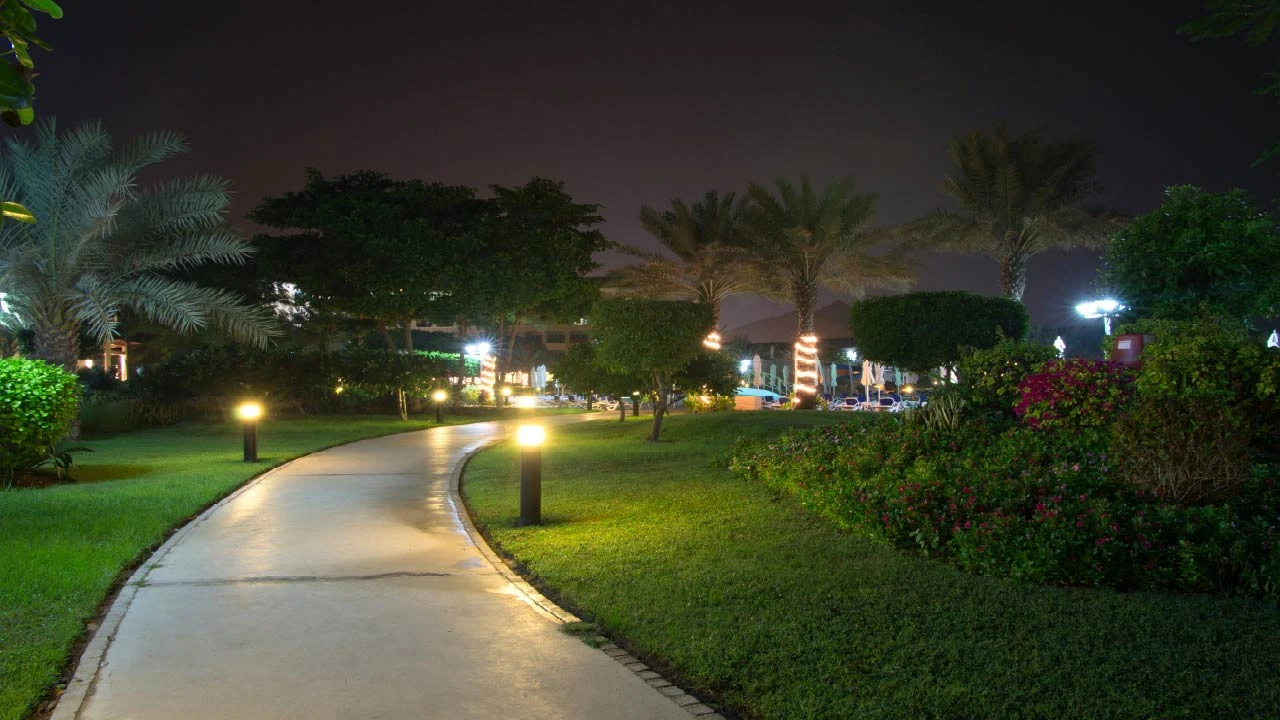
10 Beautiful Lighting Ideas for Any Outdoor Pathway
Sep 17th 2026
A well-lit walkway is the fastest way to boost your home's curb appeal. Great Pathway lighting creates a softly illuminated, magical walkway that guides visitors effortlessly through your outdoor sanctuary. It not only guides your way after sunset but also adds beauty to your garden and walkways. Pathway lighting extends your outdoor living hours, deters would be intruders who prefer the shadows, and turns an ordinary evening stroll into something that actually feels a little magical.
The trick is not to line a walkway with identical lights every few feet and make your landscape look more like an airport runway than a welcoming home. The best pathway lighting has personality. It combines safety, visibility, architecture, and atmosphere, and it should feel like it belongs in your outdoor space.
With both aesthetics and functionality in mind, we've rounded up 10 pathway lighting ideas that add genuine visual charm and improve functionality.
1. Use Low-Voltage Bollard Lights with Architectural Cutouts for a Modern Pathway
Bollard lights are one of the easiest ways to give a pathway a clean, architectural appearance. These fixtures are taller than traditional path lights and have a simple vertical design that directs light downward. Bollard lights are:
- Great for wider paths, driveways, or commercial-style walkways that need more light coverage.
- Available in stainless steel, matte black, or weathered bronze, making it easy to coordinate with modern, industrial, or contemporary home exteriors.
- Bollards sit higher off the ground, so they cast light over a large area and reduce the number of fixtures needed overall.
- Solar bollards are also worth considering if you want strong illumination without the cost and hassle of trenching electrical cables.
Design and Placement Tips
- Consider bollards as landscape sculptures and a lighting fixture.
- Square bollard light designs suit modern homes that have straight lines. On the other hand, rounded, tapered shapes can add a softer touch to transitional and contemporary farmhouse landscapes.
Best for: Modern and contemporary homes, wider walkways, formal entry paths.
2. Low-Profile Recessed Step Lights and Deck Path Lights
Path lights can beautifully illuminate a path, but if stairs disappear into darkness, the lighting design has missed the most important safety issue. Make stair lighting a priority whenever your pathway includes an elevation change.
If your landscape has elevation changes and pathways leading up to a porch, elevated wooden decks, or dock paths, traditional stake lights may not be the best choice. They can get in the way, be knocked over, or simply look out of place. Integrated hardscape lights offer a sleek solution by fitting directly underneath capstones, stair treads, or retaining wall edges
These low-profile LED fixtures cast a subtle downlight directly across the step and the riser. The result is a sleek, ultra-modern look that provides flawless safety without visual clutter.
Design and Placement Tips
- You can install recessed step lights into retaining walls, stair risers, walls, or other structures. They provide focused illumination without putting a fixture directly in the walking area.
- Use enough light to reveal each step's edge and depth without creating blinding glare.
Best For: Lakeside homes, front porch steps, garden stairs, deck stairs, sloped walkways, stone stairways, retaining wall steps.
3. Combine Pathway Lights with Uplighting for Trees and Features Near the Path
Pathway lighting doesn't only mean lights pointed at the ground. Some of the most breathtaking walkway lighting comes from uplights focused on the trees, shrubs, or architectural features that line the path.
Path lights illuminate the ground, and uplights can emphasize trees, architectural features, stone walls, or specimen plants. Together, these layers create a much richer nighttime landscape. Your pathway remains functional, but the entire front yard becomes part of the stunning nighttime design.
Design and Placement Tips
- Place small in-ground or spike uplights at the base of trees, ornamental grasses, or garden statues along the pathways. When the light hits plants and features from below, it creates dramatic shadows on nearby walls or fences and it's genuinely stunning at night.
- Combine up lighting with one or two direct path lights to illuminate the walking surface and increase safety.
- Choose adjustable-angle fixtures to adjust the beam as trees grow and seasons change.
Best for: Yards with mature trees, ornamental grasses, or sculptural landscaping elements worth showing off.
4. Hidden Lighting Under Stones or Boulders
For a more rugged or natural-looking landscape, such as a Pacific Northwest garden or rock garden, tuck small lights beneath or behind boulders along the pathway. The light softly spilling around the rocks will make it look like the glow is coming naturally from the ground. The light source stays completely hidden during the day, so the effect is a total surprise once the sun goes down.
Design and Placement Tips
- Choose boulders with an irregular underside or a natural gap instead of flat bottomed stones.
- Use weatherproof and waterproof-rated mini spotlights (IP65 or higher) and hide them in rock crevices or under stones.
- First, test placement after sunset before finalizing the fixtures. Even a small angle change can affect how far and where the glow spreads.
- It is best to stick to a single warm color across every hidden light. Mixing tones under rocks breaks the illusion that the light is coming from the earth itself, not the fixture.
Best for: Drought-tolerant landscaping, rock garden, gravel paths, alpine-style gardens, or natural landscape designs.
5. Silhouette Lighting Behind Pathway Planting Beds
Instead of lighting the pathway, try lighting behind the plants along its edges. Place a low voltage spotlight or mini wash light behind ornamental grasses, shrubs, ferns, or other plants so the foliage stands out against a darker background. After sunset, the plants appear as dramatic silhouettes while a soft glow outlines their shapes.
This idea works especially well with plants that have interesting forms, such as ornamental grasses, Japanese maples, agaves, ferns, and sculptural shrubs. It creates immense visual depth and adds security by eliminating dark hiding spots along perimeter fences.
Design and Installation Tips
- Place the light behind the plant and slightly below or to the side. Focus the beam on the foliage rather than directly at the walkway.
- Use a warm-white LED for a softer, more natural effect that works well with most residential landscapes.
- Don't backlight every plant. Highlight a few larger or more interesting plants and leave darker spaces between them for contrast.
- Choose plants with different shapes, open branches, or fine foliage that can create interesting silhouettes when backlit.
Best For: Homeowners and landscapers who want to add depth and a high-end landscape-design feel to garden paths without making the entire walkway overly bright. Use this design for walkways bound by fences, retaining walls, or modern landscapes.
Learn How to Light Up Your Garden Without Disturbing Wildlife
6. Downlighting from Tree Canopies
Downlighting is a modern outdoor lighting technique where fixtures are mounted high in tree branches and aimed downward. The soft, filtered glow passes through leaves and branches and falls onto the pathway below. This downlighting technique mimics the soft, scattered appearance of natural moonlight.
It's a favorite trick among professional landscape lighting designers because it creates magical movement at night. When branches sway, the light shifts and flickers naturally.
Design and Installation Tips
- Mount warm LED spotlights high in mature trees and point them downward through the branches to project soft, dappled light and delicate leaf shadows onto the pathway below.
- The fixtures may need to be installed 15 feet or higher, so this type of lighting installation is usually best left to a professional who has the proper equipment and safety gear.
- Downlighting works best with mature trees that have some canopy spread directly over or near the walkway.
- Combine it with low-level path lights for safely navigating the path.
Best For: Wooded garden paths, long gravel driveways, paths beneath mature trees, outdoor seating areas, and lush backyard gardens.
7. Smart, App-Controlled Color-Changing Path Lights
Want to give your walkway a spooky glow for Halloween? Subtle emerald greens and warm golds for the holiday season? Or vibrant colors for a summer pool party? Smart LED path lights make it easy to change the mood whenever you want. Modern low-voltage systems let you control brightness, color temperature, and even full RGB color from your phone via an app.
Design and Installation Tips
- Set automatic schedules so your lights can switch from brighter white light during evening walks to a softer, warm amber glow later at night.
- You should change colors for holidays and special events according to your vibe.
- Create separate lighting zones so your pathway lights can run independently from lights around the patio, garden, or house.
Best for: Homeowners who enjoy smart technology and want the freedom to change their pathway lighting for different moods, seasons, and occasions.
8. DIY and Upcycled Path Lighting
Not every beautiful pathway lighting idea needs a professional installation bill. Some of the most charming pathway lighting comes from creative, low-cost, DIY approaches. With a little creativity, you can turn everyday household items and thrifted finds into charming garden lights. These DIY options are easy to personalize and often become the details guests notice most.
DIY Path Lighting Ideas
- Fill mason jars with battery-powered fairy lights or add small solar caps, then hang them from shepherd's hooks along the edge of the path.
- Repurpose wine bottles by inverting them over small solar lights to create a soft glow through the colored glass.
- Add a small solar light inside a clear jar and place the jars along a garden path. Frosted or textured glass creates a softer glow.
- Turn small painted terra cotta flowerpots upside down over LED puck lights or solar fixtures to create a warm, earthy glow.
- Give an old metal lantern a fresh coat of outdoor paint and convert it to solar power for a vintage-looking pathway accent.
- Colored bottles can create a playful border along informal garden paths when paired with suitable low-heat LED lights.
- Pick one material or style and repeat the whole length of the path. For example, use mason jars throughout the path rather than combining jars, wine bottles, tin cans, and terracotta pots in the same space.
Best for: Budget-conscious homeowners, renters, and a gardener who enjoys a DIY weekend project.
9. Line Garden Paths with Low-Level Path Lights
Traditional path lights can never go out of style. These lights usually have a short stem topped with a small shade or cap that directs light downward and outward. These matte mushroom pathway lights are simple and sleek. They're a practical choice when the main goal is to make the walking surface easier to see without flooding the entire area with light.
Design and Installation Tips
- For garden paths, don't install them in a perfectly straight line. A slightly staggered arrangement often looks more natural and avoids creating a repetitive "runway" effect.
- Their focused light spread also makes them useful for subtly highlighting garden walls, borders, steps, or other architectural features along the path.
- When installing pathway lighting, think about what needs to be illuminated rather than simply where the fixtures will fit.
Best for: Garden steps, a curve in the walkway, a change in elevation, a narrow section between planting beds.
10. Add Classic Solar Pathway Lights to Easy-to-Reach Garden Areas
Solar pathway lights are a convenient and cost-friendly option when you don't want to run low-voltage wire throughout a garden. There's zero wiring, no electrician, and no monthly bump in your utility bill. The trick is to install them thoughtfully, so they look like part of the landscape, not something added at the last minute.
Design Tips
- Install them in areas where wiring would be difficult, such as a detached garden path, temporary walkway, rental property, or planting bed that you don't want to dig up.
- Solar path lights depend completely on sunlight. A location that receives several hours of direct sunlight can work beautifully, while a shaded path beneath dense trees may leave the lights struggling to stay bright through the evening.
- Stagger them slightly instead of lining them up in straight rows for a more organic feel.
- Choose warm-white (2700K–3000K) LED lights instead of the harsh blue-white ones to create a softer, more welcoming atmosphere.
- Space fixtures 6–8 feet apart for better balance between visibility and atmosphere. Fewer, well-positioned lights usually look much better than a continuous row of glowing fixtures.
- Match the fixture finish to the surrounding hardscape rather than choosing a finish at random. Matte black or bronze can blend nicely with gravel and dark mulch, while brushed nickel or copper can complement lighter stone, concrete, and warmer-toned materials.
Best for: Renters, budget-conscious homeowners, or anyone testing out a layout before installing permanent wiring.
How Far Apart Should Pathway Lights be Spaced?
Space fixtures 6 to 8 feet apart on alternating sides of the path. This creates balanced overlap for safe visibility without creating the harsh "runway" look that comes from placing lights too close together.
How Many Lumens Are Ideal for Pathway Lighting?
Path lights need to be 100-200 lumens per fixture. This provides enough brightness for safety without glare or light pollution that disturbs neighbors.
Tips for Successful Installation of Pathway Lights
Creating a gorgeous path lighting layout takes careful installation and a few tips to keep in mind. Here are a few practical notes you must apply no matter which idea you choose.
- Warm light wins: A color temperature between 2700K (Warm White) and 3000K (Soft White) is ideal for path lights. Stick to this range to make your space inviting.
- Less is Often More: More light doesn't mean better lighting. Six well-placed, well-chosen fixtures beat twenty mismatched ones every time. Overly bright pathway lights can wash out the landscape, create glare, disturb neighbors, and make the yard feel less inviting. Good landscape lighting should illuminate where people need to see while keeping unnecessary light under control.
- Think in Layers: The best-lit paths combine at least two techniques from this list. You can combine classic antique path lights and a bit of up lighting instead of relying on one single idea.
- Check your Local Codes: Some municipalities restrict light trespass, especially near property lines. Before buying any fixture, check with them.
- Bury Cable Correctly: Under the National Electrical Code (NEC) for low-voltage landscape lighting (12V), bury direct-burial cables at least 6 inches beneath the surface. When crossing lawn areas, bury them 8-10 inches deeper to protect wires from core aeration machines.
- Use Heat-Shrink Waterproof Connectors: Corrosion inside wire connections is the main cause of landscape lighting system failure. Replace standard wire nuts with grease-filled, heat-shrink gel connectors designed for direct burial.
You'll love to read these blogs:
The Bottom Line
Ready to transform your home's nightscape and create a safe, welcoming landscape that truly comes alive when the sun sets? Start small by trying a few of these ideas, mapping out your key pathways, selecting high-quality brass or aluminum fixtures, and experimenting with warm LED light placement tonight.
Walkways serve as a stunning home design statement, especially when properly illuminated. The best pathway lighting can make your walkway feel safer, the garden feels deeper, and the entire property feels magical after sunset. And there's nothing complicated. Pick your favorite ideas, order best-quality lights from a reputable store, layer the lighting, and you're good to go.
With high-quality outdoor lighting products and years of expertise, DripWorks offers a full range of landscape and outdoor lighting solutions. Let us help you transform your home's look and elevate its curb appeal.