
Olive Tree Care Guide
Apr 21st 2026
Olive tree, Olea European, is a classic evergreen that adds a Mediterranean fragrance to your garden, patio, or landscape and produces amazing fruit. These beautiful edible and architectural trees are easy to care for and thrive in poor or stony soils. Their silvery leaves will shimmer in the scorching summer sun and brighten up your gloomy winter garden.
Olive trees grow best in a sunny Mediterranean climate, such as the California coast, but you can grow olive trees almost anywhere as long as you protect them during harsh winters. They can be grown in containers and brought indoors before freezing temperatures arrive. It is an incredible edible tropical and seasonal houseplant, thanks to its lovely foliage, sweetly scented flowers, and ability to produce fruit despite its shorter growing season. They can be a beautiful focal point in your garden all year round.
This is a complete guide on caring for olive trees to keep them healthy and happy.
About Olive Trees
Botanical Name: Olea European
Plant Type: Evergreen fruit-bearing or fruitless trees
Hardiness Zones: 8-11, depending on variety
Exposure: Full sun
Size: 15-30 feet tall, 6-8 feet for dwarf varieties
Olive trees are among the oldest cultivated trees, with a rich history dating back thousands of years. They are native to the Mediterranean region, including Italy, Greece, Spain, and parts of the Middle East. They play a significant role in the cultures and economies of these regions, providing nourishing fruits as well as oil for cooking, cosmetics, and religious rituals.
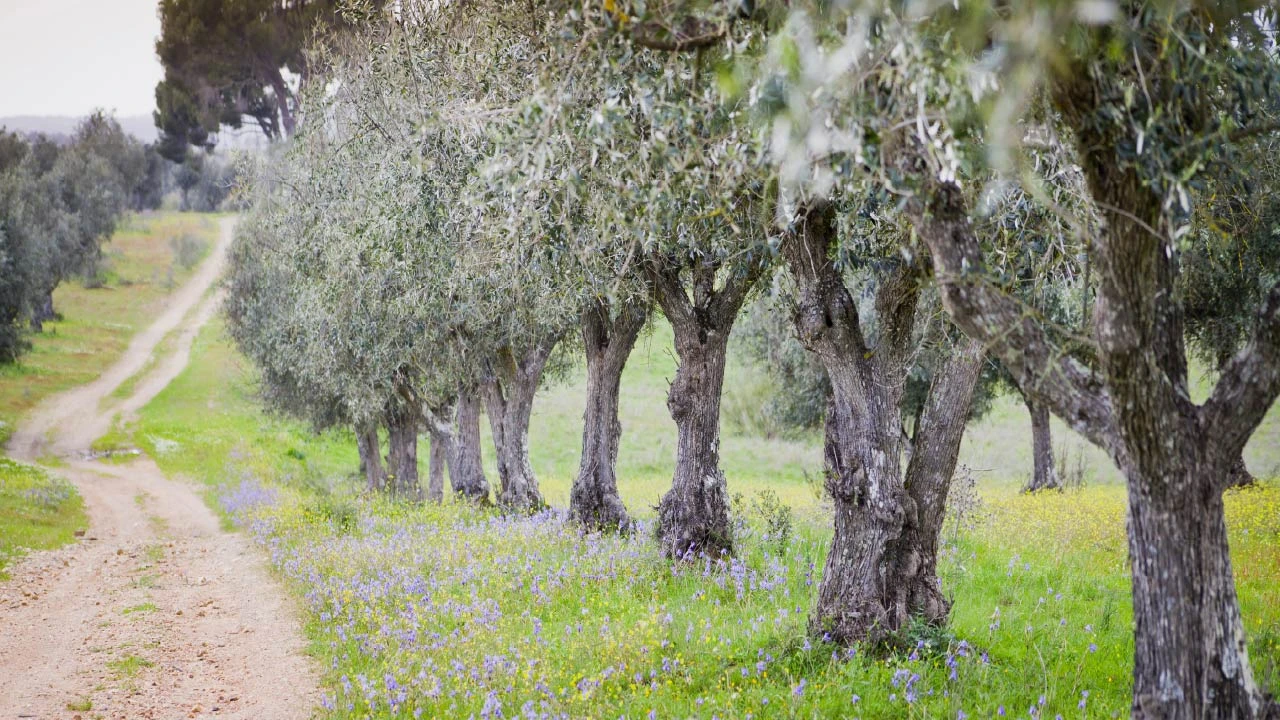
Olive trees thrive in areas with hot, dry summers and mild, cool winters. These versatile trees are symbols of peace, longevity, and wisdom; thus, their cultivation has expanded to many parts of the world with suitable climates. Their leathery, silver-green foliage and gnarled trunks can tolerate drought and harsh conditions.
Location
Olive trees prefer as much sunlight as possible. Simply put, your olive tree will stay healthy if it receives more light. However, trees can tolerate a little shade with some care. Olive trees are incredibly strong, but a cold wind that penetrates the bark can be harmful below a temperature of -5°C. Therefore, it is advisable to invest in wind protection and use covers to protect trees from snow and severe winter weather.
When deciding where to position your olive tree, face it south or west and provide some protection from the north and east winds.
When to Plant an Olive Tree
Spring is the best time to plant an olive tree, after the danger of frost is past. Newly planted trees are vulnerable to frost damage in the first winter, so fall planting should be done in areas where winter temperatures do not drop below 30° F. Avoid planting olive trees during the heat of the summer.
How to Plant an Olive Tree
Dig a planting hole that is roughly the same diameter as the root ball and somewhat shallower, with the top of the root ball slightly above ground level.
It is recommended to avoid adding compost or other organic matter to the hole. A young olive tree should be planted in its natural soil to develop robust roots.
Feeding Olive Trees
Olive trees are not heavy feeders, so they don't require much fertilizer, and overly fertile soils may hinder fruit production. However, olive trees grown in poor, nutrient-deficient soils will benefit from frequent applications of a well-balanced fertilizer with at least 10% nitrogen.
Moreover, apply an organic mulch around the tree and keep it a few inches away from the tree's base. Mulching helps retain soil moisture and inhibits weed growth.
Watering Olive Trees
Olive trees are highly drought-tolerant once established and can be sensitive to overwatering. If you live in a hot, dry region, water them regularly throughout the growing season for healthy flower and fruit development. Use a moisture meter or do a finger test to determine soil moisture levels and avoid overwatering trees.
Young trees with shallow roots are most vulnerable to drying out, but established trees also suffer in a hot and dry summer. Trees left to dry out may experience stress, which can inhibit flower and fruit growth.
Younger or container-grown trees should be watered less frequently during the colder months, while established trees need no watering at all. Allow the top few inches of soil to dry out between watering sessions and provide good drainage.
Spring and Summer Season: Water newly planted trees deeply and efficiently two or three times a week using a drip irrigation system. Established trees can be watered less frequently, every few weeks.
Fall and Winter: Reduce watering frequency and sessions.
Pruning Olive Trees
Pruning olive trees is beneficial for their health, fruit, and overall shape. Olive trees respond well to pruning/trimming, but the extent of pruning and the way you prune depend on whether your main goal is to increase fruit production or improve aesthetics.
The Mediterranean Garden Society describes the proper method for pruning young trees to achieve the desired shape, rejuvenating older trees, and selectively pruning mature trees to improve fruit development and easier harvesting.
When pruning olive trees, remove dead or diseased branches to keep your tree healthy, as well as prune away any suckers that grow at the base of the tree. You can use high-quality Classic Felco Pruners or Fiskars Pruners for proper pruning. An olive tree won't respond well to brutal pruning, and since they grow slowly, they don't require much effort with the pruners. Pruning is usually done in the dormant season to reduce stress on the tree.
Harvesting Olive Trees
Olive trees start producing olives between three and five years old. Olives will grow throughout the summer and fall and ripen in mid-winter. You can harvest olives while they are still green or after they have fully ripened in late autumn, depending on how you want to use them. Most freshly harvested olives are quite bitter and must be cured before eating, either by sun drying or brining.
Use the ARVIPO Olive Harvester to easily and quickly harvest olives without damaging the trees. This harvesting tool runs on battery power and features an adjustable speed control to let you set the harvesting speed. This helps you harvest the desired amount of olives without straining yourself.
Read More:5 Best Tools for Harvest to Maximize Your Yield
Pests and Diseases
While olive trees are hardy, they can still experience some common problems. Keep an eye out for olive knot, black scale, verticillium wilt, and olive fruit flies. The olive fruit fly is the most harmful pest of fruit-bearing trees and can completely damage an olive harvest by laying its eggs under the skin of the fruit.
Tips for Growing Olive Trees Indoors
If you live in a cold region where the tree cannot survive outdoors during the winter, grow your olive tree in a portable container that you can move indoors. Here are tips to grow an olive tree successfully indoors:
- Place the container in an area where it will receive at least 6 hours of sunlight daily. Since olive trees are native to the Mediterranean, they can withstand dry indoor air and usually don't need extra humidity.
- Plant your tree in a large container with proper drainage and use a well-draining potting soil mix.
- Apply a slow-release, well-balanced fertilizer twice annually, in the spring and mid-summer.
- Before moving your tree outside in spring, wait until there is no longer the threat of frost and allow it to adjust by slowly exposing it to more sunshine.
- Choose a dwarf olive tree variety for indoors that won't reach more than 6 feet. If necessary, you can prune your tree to keep it shorter or even grow it as a bonsai.
Aftercare for Olive Trees
After planting, it's important to regularly monitor your olive tree to assess watering needs, especially during hot, dry spells. Olive trees are drought-tolerant, but they still require water to grow well, especially when they're newly planted and young. If trees don't receive sufficient moisture in the spring, this would affect their flowering and fruiting.
Once the tree has established and reached maturity, you won't need to monitor it as often. However, if your region is drought-prone, remember to check on your tree.
Also Read:Essential Tips for Preparing Vegetable Gardens for Cold Weather
The Bottom Line
Olive trees are a fascinating, versatile evergreen trees, and you can watch your tree grow perfectly by following this simple care guide. They add structure, beauty, and year-round interest to your garden. With their silvery foliage, fragrant white spring blooms, and gnarled trunks, well-maintained olive trees can create unique, unusual feature trees in any outdoor area.
So, why not plant this distinctive tree in your yard this spring? Grow an olive tree, follow the guide to watch your tree thrive, and enjoy its beauty and amazing fruit in your home.