
How to Prevent Clogged Drip Lines: Cleaning & Maintenance Tips
Aug 4th 2026
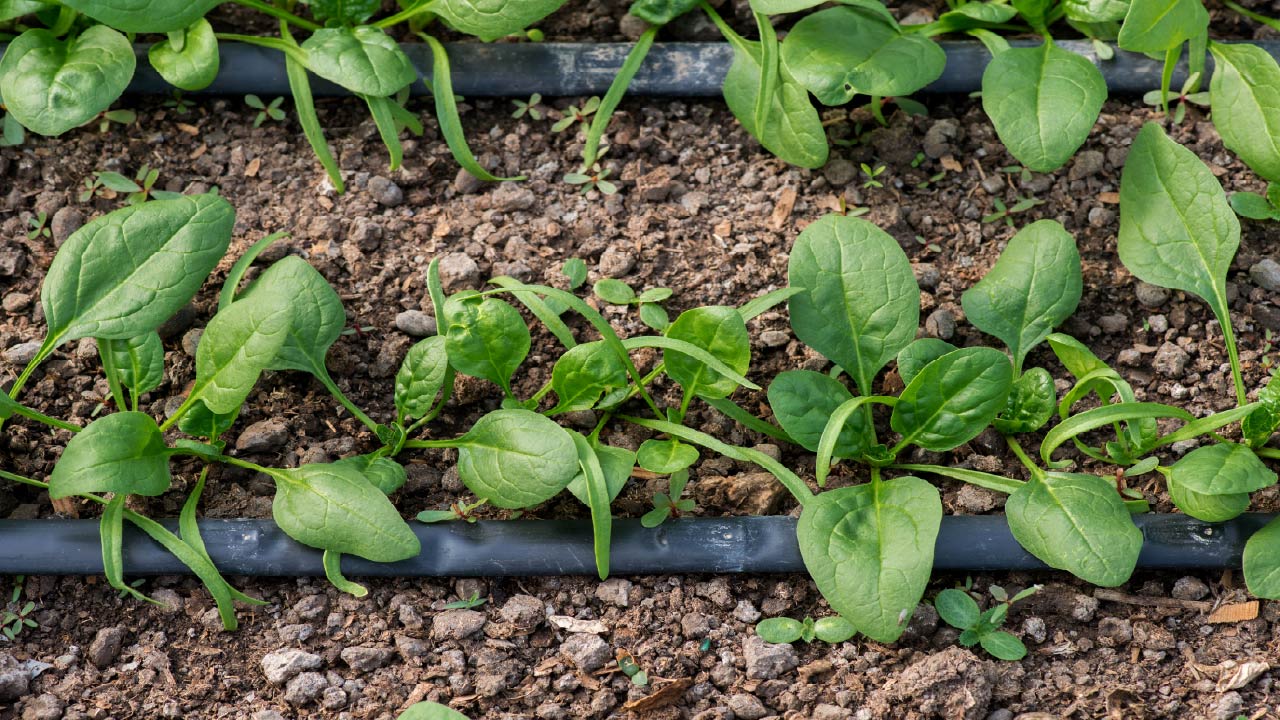
Drip irrigation is the smart way to water your vegetable gardens, raised beds, flower beds, orchards, vineyards, and landscapes. It can save up to 80% more water than traditional overhead sprinkler systems. Drip tape, 1/4-inch soaker dripline, 1/2-inch emitter tubing, or pressure-compensating dripline are essential components of a drip system that make it water-efficient, but these driplines are prone to clogging.
Clogged drip lines and clogged emitters are the most common problems that can affect system efficiency and reduce its benefits. A blocked emitter may slowly starve plants of water, and a completely clogged line can leave sections of your garden dry without you even noticing. Drip lines should be kept clean for smooth flow and uniform water distribution. The best news is that most clogs are preventable once you understand why they happen.
In this article, we explore the real causes of drip line clogging, practical prevention tips, how to clear a clog when one does happen, and the maintenance routine that will keep your drip irrigation system running smoothly for years.
Why Drip Lines Get Clogged
Drip irrigation systems operate through tiny water passages, known as emitters. Drip emitters are designed with tiny, narrow openings so that water trickles out slowly, drop by drop, to the roots. That precise design is great for water efficiency, but it also makes drip systems vulnerable to blockage. Most emitters release only 0.5 to 2 gallons per hour (GPH) of water through extremely small openings.
Even the smallest particle of soil, mineral deposits, or organic slime can stop your system. A clogged drip line can quickly result in stressed, wilting plants, dry spots in raised beds, and wasted water.
Let's first understand what causes clogging so we can choose the right method to stop it before it affects the system.
Mineral and Sediment Buildup
Hard water is the most common cause of drip line clogs, especially in regions with high mineral content. Calcium and magnesium dissolved in your water supply can enter the tubing, slowly trapping inside the emitter openings until water can no longer pass through.
Dirt, Sand and Organic Debris
Even filtered water carries fine soil particles. If you're pulling water from a well, pond, rain barrel, or untreated municipal source, sand, silt, and clay can travel through the tubing and settle in low points or inside emitters.
Insects and Small Critters
Ants, spiders, and other insects are drawn to the moisture inside the emitter. They go inside the emitter opening during dry spells and can build a nest or die inside them, causing blockages.
Algae and Biofilm Growth
Warm water sitting in dark irrigation lines fuels rapid algae blooms. Iron and sulfur bacteria thrive inside warm lines. They produce a sticky, jelly-like slime that traps sediment and coats the emitter screen. Algae, bacteria, and slime can grow inside drip lines, especially if the system uses water with any organic content or if drip lines are exposed to sunlight for long periods.
Root Intrusion
Plants, trees, and shrub roots are good at finding moisture. If your drip lines are buried near thirsty plants, roots can grow directly into emitter openings or wrap around tubing, which might block the water flow entirely.
Fertilizer and Chemical Residue
If you inject fertilizers directly through drip lines (fertigation), undissolved fertilizer granules or chemical reactions between fertilizer and minerals in your water can create insoluble precipitates that clog lines.
How to Prevent Clogged Drip Lines
Prevention of drip line clogging is easier and cheaper than dealing with a fully clogged system mid-growing season and fixing blocked drippers after your plants start drooping.
Here are expert ways to keep your drip systems flowing smoothly season after season.
Install a High-Efficiency Filter
A filter is the single most critical defense against drip line clogging. Never connect drip tubing directly to a spigot or main supply without a filter. Drip systems should have at minimum a 120–200 mesh filter installed right after the water source and before the pressure regulator.
Here are the common drip filter options.
Screen filters: They work well for water with sand or grit. They are best suited for municipal water or clean well water.
Disc filters: They are more effective at capturing organic material, fine silt, and algae. Disc filters are ideal for well water, surface water, rainwater, and fertigation systems.
Media filters: These filters use layers of sand or other materials. They are recommended for large-scale gardens fed by pond water, canal water, or surface water.
Whatever filter type you choose, check and clean the filter screen every few weeks during the growing season and more often if you're using well water or a rain barrel to water your garden.
Check out this Helpful Filter Buying Guide.
Use Pressure-Compensating Emitters
Pressure-compensating (PC) emitters maintain a consistent flow rate regardless of pressure fluctuations. This reduces buildup that happens when water surges or trickles unevenly.
Flush Driplines Regularly
Even with a high-quality filter, some sediment can still enter the drip lines over time. For this, flush driplines once a month to push accumulated debris out through the open ends of the tubing before it reaches the emitters.
- Open the end caps of your drip line.
- Run water at full pressure for 2 to 5 minutes until it is clear.
- Flush the lines at the start of the season, then every 4–6 weeks during active use.
- Always flush the system after any repair or when adding new sections of tubing.
Install Vacuum Relief Valves or Air Release Valves
If your drip tubing is buried under deep mulch or placed on irregular terrain, turning off your irrigation may create a sudden siphon effect. This suction pulls dirt and debris straight back through the emitter holes.
The solution is to install a vacuum relief valve at the highest point of your irrigation zone. The valve breaks the vacuum when the water turns off and ensures air enters through the valve instead of trapping dirt in your drippers.
How to Choose the Right Air Relief Valve: A Complete Guide
Keep Your Water Sources Clean
Protect your water source and keep debris out to reduce maintenance later.
- If you use a rain barrel, install a fine mesh screen over the intake and outlet. Remove leaves from rain barrels.
- For well water, test it often for mineral content and iron bacteria, both of which are bad clog-causers.
- Avoid drawing irrigation water from ponds or open containers where algae thrives unless you have adequate filtration.
- Keep wells properly sealed.
- Clean water storage tanks annually.
Clean Filters Frequently
A dirty filter reduces water pressure and eventually allows debris to enter the filtration system. Don't ignore pressure loss in the system, as it often indicates a dirty filter. Inspect your irrigation filters regularly during the active season.
Basic filter cleaning steps include:
- Remove the filter cartridge. Pull out the screen or disc element.
- Rinse it with clean water.
- Use a soft brush to remove sediment if necessary.
- Reinstall and ensure it is properly secure.
Maintain Proper Water Pressure
Too high or too low pressure can contribute to clogging the lines. Excessive pressure can cause fittings to pop off and damage internal emitter diaphragms. However, insufficient pressure allows dirt and sediment to settle in the low points of your tubing. Most drip irrigation systems operate best between 10 and 30 PSI.
How to prevent pressure issues? Install a pressure regulator under your filter. This component will keep flow steady and reduce wear on pressure-compensating (PC) emitters.
Be Careful When Fertigating
Injecting fertilizer through drip irrigation saves time but requires proper management. Poor fertigation practices can leave fertilizer residues inside emitters.
Best Fertigation Tips
- Always use fully water-soluble fertilizers formulated for drip or fertigation systems.
- Inject fertilizer downstream of your filter or install a secondary screen filter after the injector.
- Flush the system with clean water for several minutes after every fertigation cycle to clear any residue. Never leave fertilizer solution sitting inside drip tubing between watering cycles.
What is Fertigation? Definition, Advantages & Method
How to Clean Clogged Drip Lines
If clogging has already occurred in your tubing, don't assume you need to replace the dripline. Many blockages can be removed with simple methods.
Here's how to diagnose clogged lines and fix them.
Flush the Drip Line
Open the ends of every drip line and turn on the water. Run the water for a few minutes to allow it to carry debris out.
Flush the Mainlines and Sub-mains
Walk to the furthest end of your 1/2-inch or 3/4-inch poly mainlines. Remove the end caps or flush valves. Turn on the water until it runs completely clear.
Clean the Filter
Many clogs are caused by a dirty filter that is restricting water flow. Unscrew your main filter housing, pull out the screen or disc element, and put it under running water to scrub with a soft nylon brush. Inspect the element for tears or mineral buildup before reinstalling.
Check Individual Emitters
Inspect emitters with weak or no flow. Sometimes gently rubbing or rinsing the emitter removes trapped debris.
Inspect your tubing while it's running and look for:
- Emitters producing little or no water while nearby emitters work fine.
- Dry spots in your garden despite a normal watering schedule.
- Bulging or leaking tubing near a blockage.
Replace Severely Blocked Sections
If emitters remain clogged after cleaning, it is best to replace that section of tubing.
Tip: Address the Root Cause
First address the main problem before clearing the clog so you won't be back here again soon. If it was sediment clogging your dripline, check your filter. If it was roots, relocate the line or add a root barrier.
Essential Drip Line Maintenance Routine
Here's a consistent routine you should follow that keeps your systems clog-free:
Monthly Checklist
- Open end caps and flush mainline for a few minutes.
- Soak drippers in vinegar or replace damaged units.
- Clean filter screen with a soft brush.
Bi-Weekly Checklist
- Walk the system while running and visually check for clogged emitters.
- Inspect main filter for pressure drop or physical clogging.
- Inspect lines to check for chewed tubing, loose fittings, or blown-out emitters.
Start of season Checklist
- Flush the system completely.
- Check the filter for any damage.
- Check for winter damage or root intrusion in lines.
End-of-Season Checklist
- Flush the system fully and clean the filter.
- Open all end valves and drain water to prevent freeze damage during winter.
- Disconnect and store pressure regulators, backflow preventers, and timers indoors in a protected place away from freezing temperatures.
When Should You Replace a Drip Line?
Many clogs can be easily cleaned, but some drip lines eventually reach the end of their service life.
It is best to replace your drip line if you experience one of these situations.
- Multiple emitters remain blocked after cleaning.
- Tubing has become brittle or cracked.
- Root intrusion is widespread.
- Mineral deposits often return despite maintenance.
- Water distribution remains uneven throughout the system.
In these situations, replacing old tubing is more cost-effective than repeatedly repairing it.
The Bottom Line
Clogged drip lines are one of those irrigation problems that seem minor until you realize half your garden hasn't been watered properly in weeks. It can quietly reduce irrigation efficiency, stress your plants, and lower harvests long before you notice the problem. Fortunately, preventing clogs is much easier than repairing the damage they cause. Follow these prevention strategies and treat your drip system the way you'd treat any other garden element. A few minutes of preventive care will save hours of troubleshooting tomorrow and help ensure every drop of water reaches exactly where your plants need it most.
Remember, preventing clogged drip lines starts with using high-quality irrigation products. If you're looking for premium drip lines and emitters from trusted brands, DripWorks offers an extensive selection of drip irrigation supplies and drip irrigation kits. Explore our irrigation products to build a more efficient, longer-lasting drip irrigation system.