
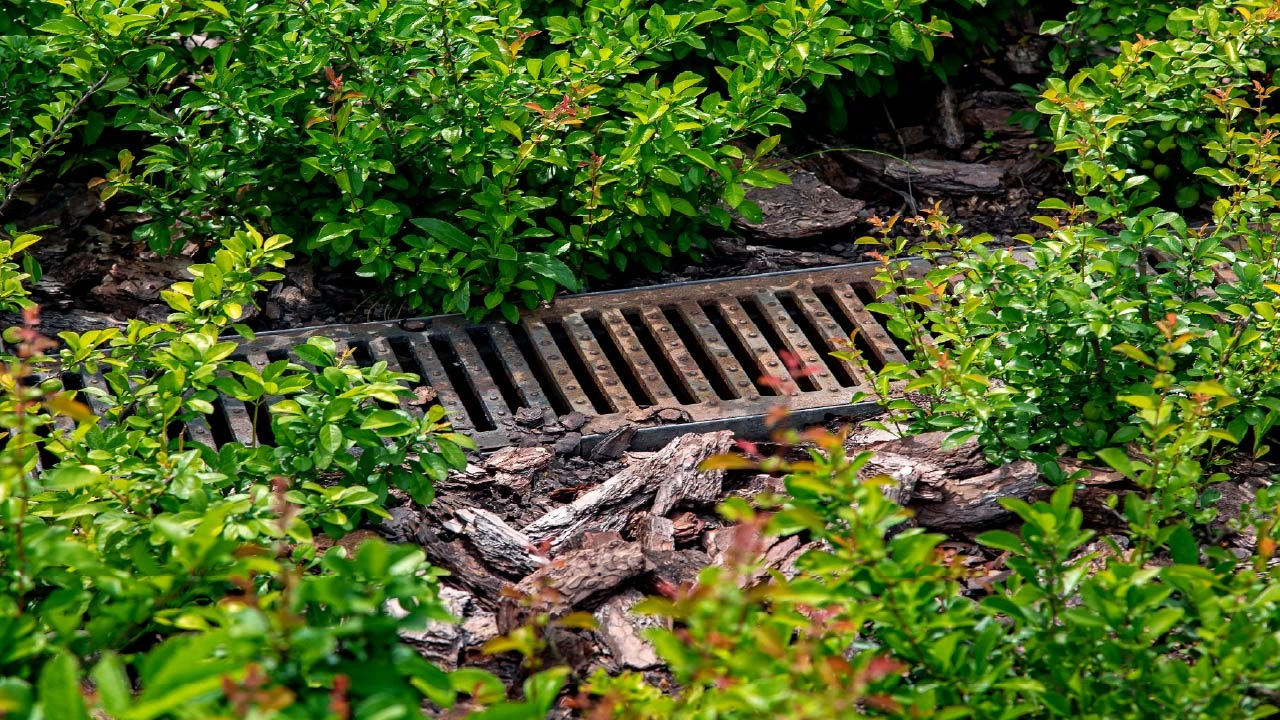
How to Prevent and Fix Yard & Landscape Erosion in Winter
Nov 12th 2026
Winter can be hard on a landscape, soil structure, and plant root systems. Heavy summer downpours get most of the blame for topsoil loss, but winter brings a unique threat in the form of freeze-thaw cycles, severe snowmelt, and dormant vegetation that can no longer lock soil in place. The damage from these elements is not always immediately visible.
When spring comes, areas that look perfectly fine in fall may have exposed roots, muddy patches, washed-out mulch. This happens because gardens and lawns lose much of their natural protection during winter. Summer flowers fade, vegetable beds sit empty, and lawns may stop growing fast enough to recover from damage. When water has nowhere to go, it can wash away the nutrient-rich topsoil.
Taking the right precautions now can protect your property and help your landscape emerge stronger in spring. Here we discuss all the ways to control winter soil erosion and keep your soil in place.
What Causes Landscape Erosion During Winter?
Winter erosion usually develops through a combination of rainfall, runoff, exposed soil, and changing temperatures. Before you can choose an erosion, control method and fix a problem, you should understand what's happening in your yard. Several things combine in winter to make soil move more easily than at any other time of year.
Heavy Rain and Surface Runoff
When rain hits bare soil, it can dislodge soil particles. This is more likely to happen when the soil is compacted, or the ground has a slope.
If your yard has steep garden beds, uneven grading or large patches of exposed soil, runoff can gather speed as it moves downhill. It may wash away mulch, expose plant roots, and leave sediment near patios, driveways, or drainage outlets.
Snowmelt and Freeze-Thaw Cycles
Snow doesn't always melt gradually. A warm afternoon followed by a cold night can cause water to move across the ground, freeze and thaw repeatedly.
Water in the soil expands when it freezes, which loosens the structure of the top few inches. When it thaws, that loosened soil is ready to be carried away.
Freeze-thaw cycles can also disturb the edges of planting beds, making them more vulnerable to runoff during the next rainstorm. In much of the Midwest, Northeast, and mountain West, this can happen several times in a single season.
Unprotected Soil and Dormant Vegetation
Plant roots hold soil together and leaves slow raindrops before they hit the ground. When annuals die back and lawns go brown, that natural protection thins out. Bare soil is erodible soil.
Freshly disturbed soil is more vulnerable because it has no stable structure or established root system.
Poor Drainage and Compacted Ground
Water that collects in one area can eventually overflow and flow toward lower ground. Compacted soil worsens the problem by reducing infiltration, while poorly positioned downspouts or irrigation lines can concentrate water in one spot.
Look for warning signs such as standing water, muddy depressions, exposed roots, washed-out gravel and narrow grooves running downhill. These signs can help you identify where winter erosion is most likely to begin.
Ways to Prevent Landscape Erosion
Once you know the causes of erosion, try out these simplest and most effective methods to prevent landscape erosion during winter.
Walk Your Property Before the Ground Freezes
This is the single most useful thing you can do, and it costs nothing. Pick a rainy day in late fall, put on a jacket, and walk in the yard while water is moving.
Watch where it goes and look for:
- Areas where water pools and stays after rain.
- Bare patches where soil is already washing out.
- Downspouts that dump water right at the base of a slope.
- Paths, driveways, or patios that send run off into a single channel.
- Areas along foundations, retaining walls, or fences where soil is slumping.
Once you have checked the areas, take photos and make notes. Mark trouble spots with flags or stakes.
Cover Bare Soil Before Freezing Weather Arrives
The simplest way to prevent soil erosion is to avoid leaving large areas of bare ground exposed through winter. Bare, unprotected soil is the number one cause of winter erosion, and covering is the cheapest fix. A protective covering reduces the force of falling rain and slows the movement of surface water.
You have several options to cover the soil, depending on the area you're protecting.
Apply Mulch to Garden Beds
A 2- to 4-inch layer of mulch acts as a protective layer between the soil and the weather. It softens raindrop impact, helps regulate soil temperature, and reduces soil loss from runoff.
A few mulching tips for landscapers:
- Use shredded or coarse mulch on slopes. Fine, light mulch floats away in heavy rain, while shredded bark stays in place.
- Keep mulch a couple of inches back from tree trunks and plant stems to avoid rot.
- Don't apply a thicker layer than about 4 inches. Over mulching suffocates roots and can create soggy conditions.
- Straw works well on slopes in the Southeast because the needles interlock.
Use Erosion Control Blankets
Loose mulch may not be enough to protect steep banks or newly planted slopes during heavy rain. In these areas, erosion control blankets made from materials such as straw, coconut fiber, or jute can help keep soil in place until plants have time to grow. It holds seed and soil in place while giving new plants a chance to establish.
Here are the steps to install a blanket.
- Prepare the soil and remove loose soil, rocks, and debris.
- Dig small anchor trenches or grooves as recommended by the manufacturer.
- Lay the blanket flat on the soil, leaving no gaps.
- Secure it with landscape staples or stakes.
- Overlap the edges to prevent water from flowing underneath and washing the soil away.
Leave the Leaves
Leaf litter is free mulch. Instead of bagging every leaf, rake them onto planting beds or run the mower over them to spread the shredded pieces. Just keep thick, wet mats of whole leaves off your lawn and off plant crowns.
Plant a Winter Cover Crop
Living plants are the most effective natural erosion control. Their roots bind soil, while their foliage slows rain and reduces wind force near the ground.
If you have a vegetable garden empty after the summer harvest, consider planting a winter cover crop instead. Winter rye, crimson clover, hairy vetch, and winter wheat all do well in cold weather, depending on your zone. Their roots hold soil together through winter, and in spring you can turn them under to add organic matter.
Sow them early enough in fall to germinate before hard frost, usually at least 4 to 6 weeks beforehand. Choose a cover crop suited to your USDA hardiness zone, local planting dates and expected winter conditions.
Fix Yard Drainage Before Heavy Rain Begins
Covering the ground helps, but it won't fix a drainage problem. When water keeps flowing into the same spot, it can gradually wash away the soil, regardless of how much mulch you use. So, you need to manage the flow of water before it causes damage.
You don't need to drain every part of your yard completely. The goal is to prevent water from pooling in vulnerable areas or flowing downhill fast enough to damage the ground. You can fix this with a drainage solution.
The right yard drainage solutions depend on how much water you're dealing with and where it needs to go. Different drainage problems require different solutions. Some landscapes need a way to collect surface water, while others need to intercept groundwater or slow runoff. Here are the most common options.
Best Yard Drainage Solutions
- Downspout extensions: They carry roof runoff farther from your home foundation and vulnerable planting beds. You should extend downspouts at least 6 to 10 feet from the house.
- Channel drains: Collect surface water along suitable paved areas.
- French drains: Use a gravel-filled trench and perforated pipe to intercept groundwater where appropriate. It's a good choice for soggy lawns, wet spots at the base of slopes, and areas next to foundations.
- Catch basins: Collect surface runoff and direct it into a properly designed drainage system.
- Drainage swales: Shallow, gently sloped vegetated channels that move water slowly across the landscape.
Stabilize Slopes with Plants and Hardscaping Structure
The soil around your home should slope away from the foundation to prevent water from collecting near the walls. However, reshaping the grade across the yard takes careful planning. Poorly planned grading can send water toward a retaining wall, a neighbor's property, or a garden bed that's already prone to erosion. Steeper slopes often need deep-rooted plants and, in some cases, retaining walls or other hardscape features to keep the soil in place.
Grow Deep-rooted, Spreading Plants
If erosion keeps returning to the same area, the landscape needs better long-term plant coverage. Plants do more than make a slope look attractive. Their roots help hold soil together, and their leaves slow down rainfall before it reaches the ground. Plants that spread by rhizomes or stolons hold slopes well. Depending on your region, you have good plant choices like:
- Ornamental grass like little bluestem, switchgrass, and fountain grass.
- Groundcovers such as creeping juniper, sedum, vinca, and creeping phlox.
- Trees and shrubs like sumac, dogwood, and bayberry.
- Perennials such as coneflower and black-eyed Susan, which have solid root systems.
Ideally, you should plant these in early fall, so roots establish before the ground freezes. If you're past that window, install the structure and mulch now, then plant in spring.
Protect Slopes with Terracing and Retaining Structures
Some slopes are too steep for mulch and ground cover alone to provide sufficient protection. In these cases, terracing or retaining walls may help manage the landscape. Terracing divides one long slope into shorter, flatter sections. This slows surface runoff and creates more manageable planting areas.
Here are some ideas.
- Build low terraces with suitable retaining materials.
- Create planting beds across the slope instead of running long rows straight downhill.
- You can also incorporate stable steps or pathways that fit the landscape drainage plan.
- Plant ground cover between terraces to protect exposed soil.
- Direct collected water to an appropriate outlet rather than letting it spill over a wall unchecked.
Note: Every retaining wall needs proper drainage behind it, usually gravel backfill and perforated pipe. Without it, trapped water builds pressure, and the wall fails.
Don't Forget Your Irrigation System
An irrigation system that works well in July will create unnecessary moisture problems during winter. This is problematic on slopes, near retaining walls, and around planting beds with compacted soil.
As temperatures fall, plant water needs change, rainfall may increase, and some plants enter dormancy. So, you should review your landscape irrigation system before winter and adjust it based on local weather.
A properly installed irrigation system that matches your landscape's needs can ensure you're not adding unnecessary water flow to an already soggy space.
Winter Irrigation Tips:
- Reduce watering frequency as plant water requirements reduce in fall.
- Turn off automatic schedules when seasonal rainfall provides enough moisture.
- Check system for leaking fittings, broken sprinkler heads, clogged nozzles, and damaged tubing.
- Make sure spray patterns don't send water onto paths or bare slopes.
- Follow local winterization guidance to protect pipes and irrigation components from freezing.
Use Drip Irrigation Where Possible
Drip irrigation delivers water close to plant roots and avoids wetting paths and other surfaces unnecessarily. A properly designed drip system can maintain your plant health without creating as much surface runoff as poorly directed overhead watering.
Drip lines, emitters, filters, pressure regulators, and irrigation timers all play a role in system performance. DripWorks offers high-quality landscape irrigation products and components that can help when maintaining or updating a watering system.
Manage Downspouts, Rainwater and Snowmelt
Roof runoff can deliver a large amount of water to a small area of your yard. If a downspout empties onto bare ground, the steady flow can shift mulch, expose plant roots, and leave small channels in the ground after just a few storms.
Before winter arrives, inspect the discharge points around your property and make sure runoff is directed away from areas vulnerable to erosion.
Here's what to do:
- Extend downspouts away from foundations and vulnerable planting beds using a downspout extension.
- Direct water toward a safe drainage area that can handle the flow.
- Clear leaves and other debris from gutters and accessible drain inlets to keep water flowing freely.
- Check discharge points after heavy rain and snowmelt.
- Make sure the water is not flowing onto neighboring properties or unstable slopes.
Inspect Your Landscape Throughout Winter
Preparing your yard in fall is important, but winter weather can change conditions quickly. Heavy rain can wash mulch out of place during a storm, drains can clog with debris, and melting snow can leave fresh channels in the soil.
Inspect your landscape after heavy rainfall to catch problems early. Avoid walking on unstable slopes or entering flooded areas when inspecting for damage.
Check the following:
- Mulch and ground cover: Look for exposed patches and areas where material has washed away.
- Erosion blankets: Check for lifted edges, loose anchors, gaps, or soil washing underneath.
- Drainage outlets: Look for blockages, sediment buildup, and signs that water is undermining the outlet. Clear drain grates and outlets of leaves, ice, and debris after storms
- Slopes and retaining walls: Watch for new cracks, bulging, leaning structures, or fresh ground movement.
- Plants and roots: Look for newly exposed roots or plants that have shifted out of the soil.
- Irrigation components: Check for leaks or damage when conditions allow safe inspection.
The Bottom Line
Preventing winter landscape erosion starts with understanding your landscape and doing three key things. Keep the soil covered, give water a safe place to go, and winterize your irrigation system. A sloped garden may need ground cover and erosion-control blankets, while a low-lying yard will benefit more from better drainage. In many landscapes, combining these strategies offers the best protection.
The steps you take now can make a lasting difference when spring arrives. Protect bare soil with mulch or cover crops, prepare your irrigation system for freezing weather, and address drainage trouble spots before winter storms put them to the test. A little preparation today can help keep valuable topsoil where it belongs and leave your garden ready for a new season.