
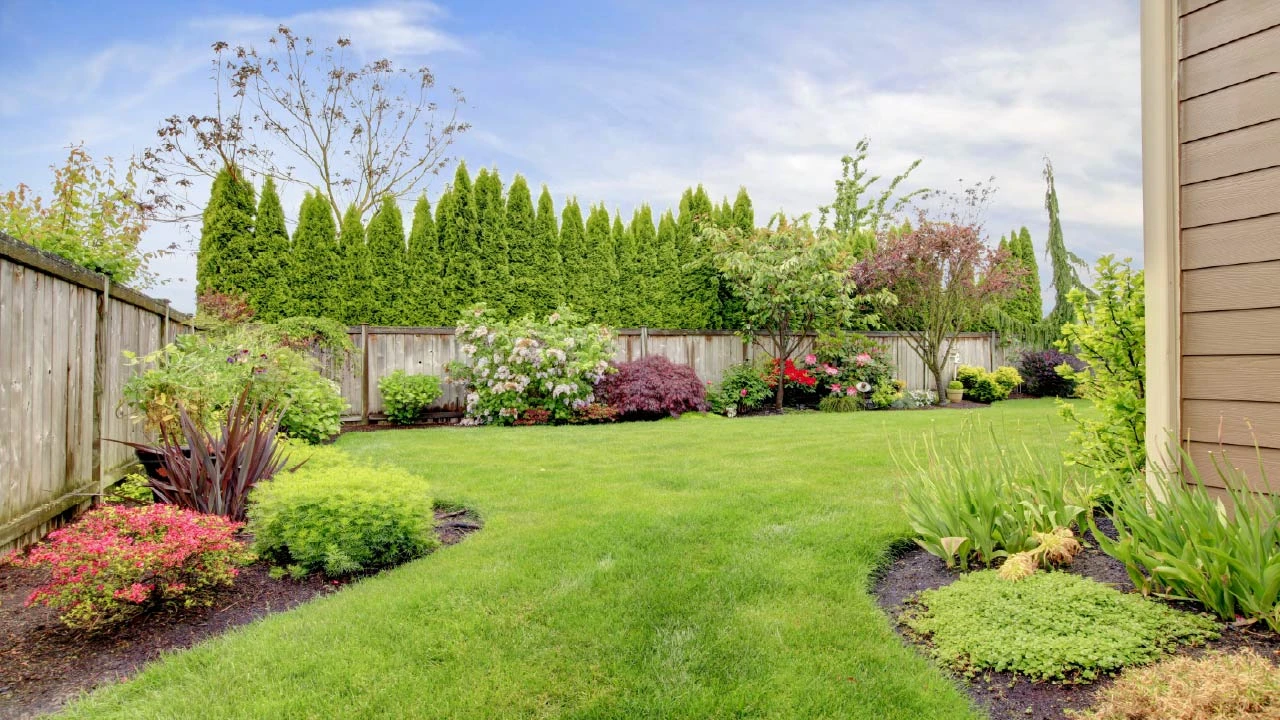
How to Landscape Around Trees Without Damaging Roots
Sep 15th 2026
Landscaping around trees is about understanding a tree's root structure beneath the soil and working with it instead of against it. They provide cooling shade, improve curb appeal, increase property value, reduce erosion, and create an inviting outdoor environment. But landscaping around mature trees isn't as simple as planting a few flowers or spreading gravel.
You can create an attractive, functional landscape around your trees without risking their health. You just need to be careful. With the right landscaping design and attention, large trees can help you grow a secret shade garden, add charming curb appeal, and even create the perfect resting spot.
Here is everything you need to know to design and landscape around trees safely, without compromising their health, while adding more beauty to your outdoor space.
Why Landscaping Around Trees is Difficult
Nearly 80-90% of a tree's roots live in the top 12–24 inches of soil, where oxygen, water, and nutrients are most available. These shallow roots spread far beyond the edge of the canopy. So, they are easily damaged by digging, soil compaction, construction, or improper landscaping.
Roots are critical to the tree's survival, so be extra cautious when landscaping around it. When most homeowners try to beautify the space beneath a tree canopy by installing flower beds, turf, patios, or edging, they frequently harm the tree's health. Damaging the tree roots can weaken the tree, make it vulnerable to disease, or shorten its lifespan. Protecting tree roots during landscaping is the most important investment you can make in your property's long-term beauty.
Understand the Structure of Tree Roots
Before you start, understand the tree root system and know what you're protecting.
- Critical Root Zone (CRZ): The Critical Root Zone is the main area surrounding a tree that must remain undisturbed. Allow approximately 1 to 1.5 feet of protection radius for every inch of trunk diameter.
- Drip Line: This is the imaginary circle formed by the outermost edge of the tree's canopy. Many people mistakenly believe roots stop here, but they typically extend well beyond it.
- Feeder Roots: These tiny, hair-like roots perform most of the work. They absorb water, collect nutrients, exchange oxygen, and support overall tree health. Digging or compaction can easily damage them.
- Structural Roots: These are the large, woody roots near the trunk that anchor the tree. They transport water and nutrients over longer distances. Cutting these roots may risk destabilizing the tree.
Assess the Tree Site Before You Dig
The most important step for safe landscaping is assessing before you act. Before you break soil near a tree, take time to evaluate the site.
- Identify the Tree Species: Some trees, like oaks, beeches, and dogwoods, are highly sensitive to root disturbance and soil compaction. Others, like maples, are more forgiving but still vulnerable to major grading changes.
- Calculate CRZ: Measure the trunk diameter at chest height (about 4.5 feet up) to estimate the Critical Root Zone.
- Call before you dig: In the US, dial 811 at least a few days before any excavation to mark utility lines.
- Hire a Pro for Larger Projects: If you're working around mature or high-value trees, it is safe to call a local certified arborist. An arborist can perform root mapping or air spading to show exactly where major roots run before you dig.
- Check Local Regulations: Many municipalities have tree protection laws, especially for large or heritage trees. Some also require permits before digging within a certain radius, so it is best to check with them.
Use Safe Digging and Planting Techniques
When you need to dig near a tree for a new garden bed, shrubs, or irrigation line, keep root disturbance and soil compaction to a minimum.
Dig Small Holes
Avoid creating one large planting trench. Instead, dig small holes and work around existing roots. If you find large roots, relocate plants. Never cut large woody roots just to fit a plant.
Hand-dig Whenever Possible
Dig individual holes using hand tools. Hand digging with a trowel lets you identify roots, protect larger roots, and adjust planting. Machinery may sever multiple roots at once and compact soil.
Make Small Cuts
Never cut roots larger than 2 inches in diameter without consulting a pro. Larger roots are often structural and removing them can destabilize the entire tree.
Additionally, make a clean cut with sharp pruning tools such as Fiskars pruners and Felco pruning shears. Don't tear or crush the roots, which invites disease and decay.
Keep Planting Shallow
Avoid planting too deeply. Most perennials and ground covers perform well in shallow planting holes. Less digging means fewer damaged roots.
Beautiful Landscaping Ideas That Are Safe for Trees
Protecting roots doesn't mean sacrificing curb appeal. You can create the most attractive landscape while also keeping it healthy for trees.
Here are the best, gorgeous tree-friendly design ideas that will make your landscape more inviting and stunning.
Growing a Woodland Garden
Get your garden gloves on, and those trowels out because there are plenty of garden plants that will love the spot under your tree.
Create a path that guides you through the garden. A garden path makes your garden more accessible, and it'll also invite visitors to take a closer look at your plants without stepping on them.
Choose the Right Plants Beneath and Around Trees
Plants growing under trees will compete with their roots for water and nutrients. So, choose species that tolerate dry soil, root competition, and partial shade.
Not every plant thrives in the dry shade beneath a tree canopy, and choosing the wrong plants for that space can mean constant digging, replanting, and root disturbance. Choosing well the first time saves both the tree and you from future troubles.
The best options for underplanting around established trees include:
Shade-tolerant groundcovers
Ground covers are ideal for planting around large tree roots. They reduce weeds while protecting soil. You can plant sweet woodruff, wild ginger, or creeping Jenny, which have shallow, non-competitive root systems.
Shade Perennials
Many flowering perennials thrive beneath mature trees. Some of the best shade-loving plants to install in a shade garden are Hosta, coral bells, coleus, and impatiens. Check your USDA hardiness zone and choose native perennials well suited to your region's dry shade conditions.
Grass and Succulents
Grasses are also a good choice to plant around tree roots, as they're often available in 4″ pots or they may reseed, allowing you to transplant them.
Another landscaping idea is to plant succulents among the tree roots. They have shallow roots, need little water, and prefer partial shade.
Ferns
Grow shallow-rooted ferns such as Christmas fern or lady fern, which tolerate root competition well under trees.
Add Mulch
Mulch is one of the best things you can do for your tree when it's applied correctly. Improper mulching is the common cause of slow tree decline in home landscapes. A layer of mulch covers exposed tree roots and adds a lovely pop of brown color at the base of your green mature trees. If you plant crocuses or other beautiful flowers in the mulch around your tree, you'll have lovely colors in springtime.
Here are tips to mulch around trees safely.
- Apply a 2 to 4-inch layer of organic mulch such as shredded bark or wood chips.
- Keep mulch away from the trunk. Piling mulch directly against the bark traps moisture against the trunk, which invites root rot, pests, and disease.
- Avoid rock or gravel mulch over root zones, because it doesn't regulate soil temperature or moisture as effectively and can increase heat stress.
- Refresh mulch annually rather than piling new layers on top of old ones year after year.
Build a Retaining Wall
A retaining wall made of stones or pavers around your landscaping tree can add a uniform look to the yard. It can also be a stunning focal point that boosts curb appeal and adds charm to your tree.
Add Decorative Boulders
Place a few boulders around the tree to add texture and visual interest without excavation. Set them carefully on the soil rather than digging deep into the root zone.
8 Trendy Backyard Landscaping Ideas for a Modern Outdoor Look
Create Dry Creek Beds
If drainage is an issue, a dry creek bed lined with smooth river rock is the best choice. These beds can improve water flow while being an attractive focal point. Design it to weave around major root areas instead of cutting through them.
Build a Patio Around the Tree
Designing a patio or deck around your tree will add a dramatic effect to your outdoor space. A lush green tree on the deck or patio adds excitement and tranquility, and it also provides excellent shade and coverage.
However, a tree in your outdoor living space can be high maintenance. Trees change shape as they grow, which may affect the area on your deck or patio.
Be Careful with Patios
A patio built too close to a mature tree can create soil compaction, root damage, poor air exchange, and reduced water infiltration.
If you plan to install a patio near a tree, follow these tips.
- Locate it outside the Critical Root Zone whenever possible.
- Install elevated decking instead of a concrete slab.
- Use permeable pavers to improve water movement.
Create a Quiet Seating Area Outside the Root Zone
The cool shade beneath your large tree makes the perfect spot for a quiet corner to read a book, enjoy a cup of coffee, or write in a journal.
You can place benches, Adirondack chairs, or small seating nooks just beyond the tree's critical root zone. This would make a relaxing outdoor retreat without compacting the soil directly over sensitive roots.
Edging
Edging is a simple way to highlight specific areas of the lawn and keep pets from digging around the tree's roots. It can also protect the roots from lawn mowers.
If you want visitors to notice your gorgeous oak tree, add edging around the tree's base with small stones or bricks and add layers of textured mulch. The edging keeps the mulch in place and makes the base of the tree pop.
Additionally, hedges can make an excellent barrier that accentuates the tree while also limiting access.
Illuminate Your Landscape with Lighting
Don't let all your hard work disappear when the sun goes down. Installing landscape lighting around your trees is a perfect way to set the mood and make your landscape more welcoming.
Want to host a relaxing dinner with friends? Turn on the patio lights and invite everyone outside for a beautiful evening.
When designed right, outdoor lighting can brighten the landscaping around your trees, highlight your home's architecture, and provide security when you need to step outside.
7 Inspiring Landscape Lighting Designs for a Stunning Backyard
Irrigation Tips for Trees and Landscaping Beds
Adding a watering system near a tree to irrigate efficiently requires the same careful planning as any other excavation project.
- Place drip irrigation lines around the critical root zone, not through it. Use curved paths to avoid major structural roots.
- Use drip irrigation tubing when working close to a tree, since it can often be laid on the surface under mulch instead of buried.
- Avoid daily shallow watering of trees as it encourages roots to stay near the surface and makes them more vulnerable to future disturbance. Provide deep, infrequent watering with drip irrigation to promote a stronger, deeper root system.
- Watch for drainage changes and address any issues you find. Rerouting water toward or away from a tree can create root rot in drought-tolerant species or stress in trees that rely on proper watering.
Selecting the Right Watering System: Drip or Spray
Should you Call a Landscaping Professional?
DIY tree landscaping is good for smaller projects like a mulch refresh, a few shade-loving plants, or a small stepping-stone path.
But for projects involving big excavation, grade changes, hardscape installation, or landscaping around mature, valuable trees, it's worth calling a certified arborist or a landscaper experienced in tree preservation. The last thing you want to do is build a design around trees on your own and later find out that a mismanaged design damaged your tree's health.
- A professional will perform root mapping or air-spade excavation to reveal exactly where major roots run.
- They advise on whether a desired project is safe at all.
- They will monitor tree health during and after construction.
- They help secure any required permits for work near protected trees.
The Bottom Line
Now you know how to landscape safely around trees and make your trees the most stunning features in your landscape. The healthiest, most functional, and most beautiful landscapes are designed to work with a tree's root system without putting its health at risk. It just requires thoughtful planning, the right materials, and an understanding of how tree roots grow.
Trees that are properly protected during landscaping will continue providing shade, beauty, and property value. DripWorks offers high-quality garden and landscape drip irrigation systems that deliver water efficiently to every plant, tree, and garden bed. Our drip irrigation kits will make it easy to irrigate trees and landscape plants while conserving water.