
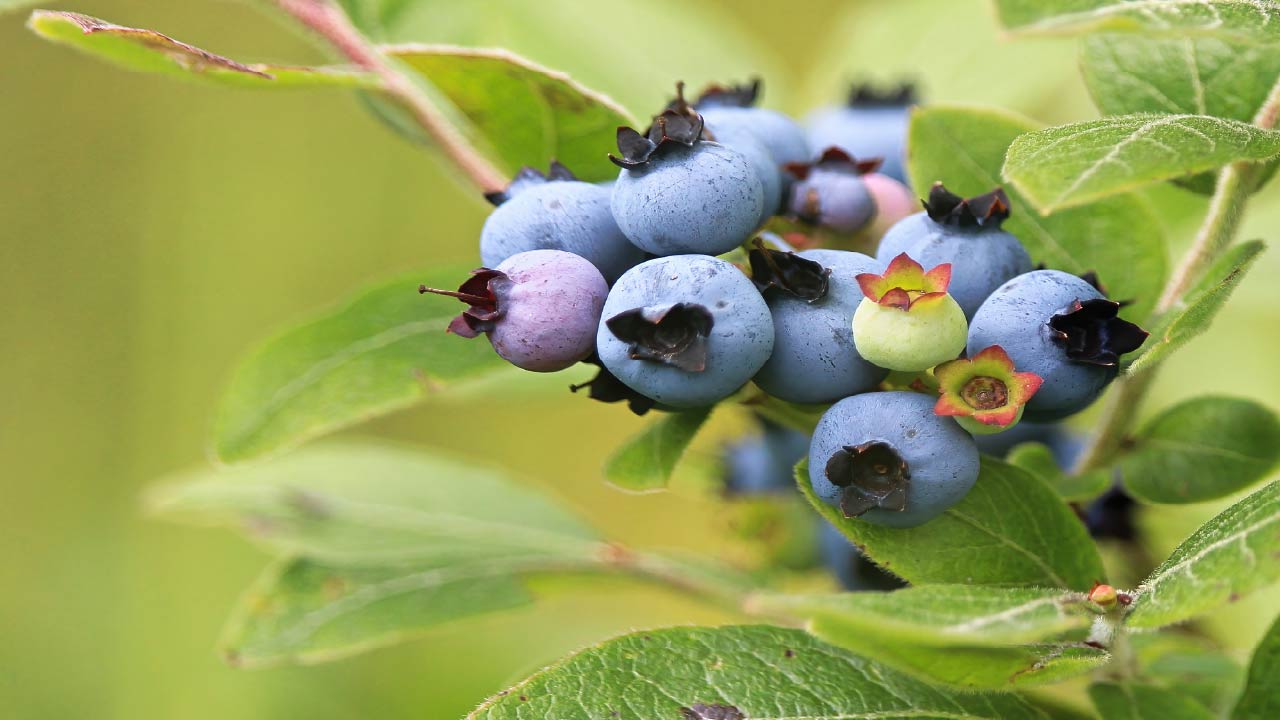
How to Grow Blueberries in Containers
Jul 30th 2026
Growing blueberries in containers is the easiest and most reliable way to harvest heavy crops of sweet berries year after year. If you think you don't have enough yard space to grow your favorite fruit for sweet summer harvests, consider growing the berries in containers and pots that can be placed on a porch, patio, or balcony. They are ideal for small spaces and will even thrive in shady conditions.
Whether you have a spacious patio or a compact balcony, we will cover everything you need to know to grow bountiful container blueberries and care for them for maximum sweet, juicy yields.
Blueberries in Containers
Blueberries are delicious, vitamin-packed fruits that are so easy to grow. Their sweet flavor, impressive health benefits, and beautiful ornamental appearance make them a favorite fruit of many gardeners. When you plant a blueberry bush in a pot, you have complete control over soil pH, moisture levels, nutrients, and mobility. Many gardeners achieve better results growing blueberries in pots than directly in the ground.
Blueberries naturally have shallow root systems, and this makes them a perfect choice for container gardening. Unlike fruit trees that require deep roots, blueberries thrive in pots filled with loose, well-draining acidic soil. Container-grown blueberries can produce abundant harvests for many years when properly maintained.
Best Blueberry Varieties to Grow in Containers
When selecting a variety to grow in pots, you should first consider your USDA Hardiness Zone and the plant's chill hour requirement. Look for Southern highbush or compact varieties that don't mind the smaller space but still produce plenty of fruit.
Here are the best types of blueberries for containers.
Highbush blueberries: The classic choice, though look for dwarf or compact cultivars.
Half-high Hybrid and Dwarf varieties: This is a cross between highbush and lowbush types. They are bushy, cold-hardy, and naturally rounded. These varieties stay naturally short (2-4 feet) and are ideal for container gardeners everywhere, especially colder Northern Zones 3-8.
Compact patio Blueberries: Varieties like 'Top Hat,' 'Sunshine Blue,' 'Peach Sorbet,' and the 'Bushel and Berry' series are bred specifically for container gardening and stay under 3 feet tall. They feature vibrant foliage changes in spring and fall with delicious summer berries.
- Top Hat: Top Hat is a dwarf hybrid variety bred specifically for container growing. It matures 2-3 feet tall with full-sized berries.
- Sunshine Blue: A Southern highbush that matures 3 to 4 feet. It has a low cold requirement and is self-fruiting. Plant it with another cultivar for better fruit.
- Peach Sorbet: Another compact blueberry that thrives in warm climates, needing less chill time. It's great for pots and yields a good amount of fruit.
- Rabbiteye Blueberries: These berries are suited for gardeners in the South Zones 7–9, as they tolerate heat and humidity better than northern varieties. They won't pollinate on their own, so they need to be planted with others for pollination.
Pro Tip: Blueberries need cross-pollination from a second variety to produce their best yields. Even self-fruiting types will produce larger, more abundant berries with a pollination partner nearby. So, plan to grow at least two different varieties that bloom at the same time for bigger, juicier berries and larger harvests.
Select the Right Containers for Growing Blueberries
The container you choose plays a key role in your blueberry bush health and yield. Pick the right size and material to maintain root health and keep soil temperatures stable.
Size of Container
Young Plants (1–2 years old): Start young plants in a 5- to 7-gallon container, which is about 12–14 inches. Placing a small, young plant directly into a big 20-gallon pot can lead to waterlogged soil because the tiny root system cannot absorb water fast enough. Avoid pots that are too large too soon for young plants, as oversized containers hold excess moisture that can rot young roots.
Mature Plants (3+ years old): Once the plant matures, upgrade to a 15 to 20-gallon container, which is 18–24 inches in diameter and at least 16–18 inches deep. This gives the spreading root system enough room to expand.
Container Materials
Plastic or resin pots are lightweight and hold moisture longer, making them great for hot climates or gardeners who need to move plants often.
Wooden half-barrels are a classic aesthetic choice for growing blueberries. They offer excellent insulation for roots and a rustic look to your space. Be sure to drill at least 6-8 large drainage holes in the bottom before planting.
Terracotta or clay pots are porous and attractive but dry out quickly, which can stress blueberries during hot summer months. If you choose clay pots, plan to water more frequently.
Fabric Smart Pots or Grow Bags: They are outstanding for root health. They air prune the roots to prevent root-binding and provide exceptional aeration. However, they dry out faster in hot summer weather, so water them frequently.
Drainage holes are non-negotiable in containers. Water must pass freely through the pot to prevent root rot in blueberries.
Create the Perfect Soil Mix
This is the most important step where container growing truly shines. You need to build the ideal growing environment from the ground up. Blueberries grow well in acidic soil. Choose potting soil designed for acid-loving plants or create your own soil using equal parts of potting soil and peat moss. A little perlite or sand can also improve drainage. Dampen the peat moss before adding it to the soil to rehydrate it.
Here's how to make a custom soil blend.
- 50% peat moss or coconut coir. Peat moss is more acidic and traditional, though coir is a more sustainable alternative.
- 30% pine bark fines or composted pine bark.
- 20% perlite for drainage and aeration.
How To Plant Blueberries in Containers
Once you've got your pot and soil ready, it's time to get planting.
You can start blueberries from cuttings, or you can buy them from a nursery if you don't already have blueberry bushes. Plant them in spring or late fall, or in mid-spring in colder climates.
Here's how to plant them step by step.
Find the Location
Choose a sunny location. Place the container in an area where it will get at least six hours of full sun each day. Move the pot to a shady spot or use a cloth to protect it from intense afternoon sun if needed.
Fill the Container
Fill the pot with acidic potting soil. Soak your dry peat moss mixture with water before filling the pot, as dry peat moss initially repels water. Choose a small pot for small blueberry plants and increase the size as your bush grows.
Loosen the Roots
Gently remove the blueberry bush from its nursery container, loosen the roots, and transplant it into the soil. If the roots are dense or root-bound, use your fingers to carefully loosen the outer layer of fine roots so they spread outward into the new soil.
Set the Plant Crown Height
Plant the bush at the same depth as it was growing in its nursery container and don't bury the crown. Make sure the root crown sits 1 to 2 inches below the container rim. Do not bury the stem deeper than it was growing in its original nursery pot.
Backfill and Press Gently
Fill around the root ball with your acidic potting mix. Gently firm the soil with your hands to eliminate large air pockets without compacting the soil mix.
Water Deeply
Water the plant thoroughly until it drains freely from the bottom holes and keep the soil consistently moist. Blueberries are very sensitive to dry conditions. Install a container drip irrigation system to keep the containers properly watered and soil evenly moist.
Add Acidic Mulch
Add a layer of organic mulch over the top of the soil to keep moisture from evaporating quickly. Mulch insulates roots, conserves moisture, suppresses weeds, and keeps soil acidic as it breaks down.
Top 20 Crops You Should Plant in 2026 for Maximum Yield
How To Care for Blueberries in Pots
You have planted your blueberries and now give them proper watering, feeding, and care so they produce the healthiest, sweetest fruits.
Sun Light
One benefit of planting blueberries in containers is that you can move them out of the intense afternoon sun. Blueberries are sun-lovers and produce the sweetest fruit with plenty of sunshine. They need at least six full hours of sun each day for best fruit production, but extreme heat can cause leaf scorch, shriveled berries, and plant stress.
- Place your containers and pots in the sunniest spot on your patio, deck, or balcony.
- In extremely hot Southern climates Zones 8-9 provide them with afternoon shade to prevent leaf scorch and stress during peak summer heat.
- Protect containers from strong winds, which can dry out both soil and leaves quickly.
Watering Requirements
Consistent moisture is essential for blueberries in pots because containers dry out much faster than garden soil. Keep potted plants consistently moist but not soggy.
- Water deeply with a drip system whenever the top inch of soil feels dry. You can provide daily watering during hot summer weeks.
- Ensure pots have excellent drainage so roots never sit in standing water.
- Install an automated drip irrigation system to keep up with daily watering of your plants, especially during vacations or busy weeks.
- Mulch to retain soil moisture and reduce watering.
Top Drip Irrigation Systems for Fruit Trees: Efficient Watering Solutions
Fertilizing Blueberries in Pots
Container-grown plants rely entirely on you for nutrients as they can't stretch their roots out in soil to find more.
- Use a fertilizer specifically prepared for acid-loving plants. Avoid any formula that contains nitrates or chlorides, which can kill the roots.
- Look for a balanced NPK ratio with added sulfur, or an ammonium-based nitrogen source, which helps maintain soil acidity.
- Feed the plant in early spring as new growth begins, and then again after the first flush of berries in early summer.
- Avoid feeding in late summer or autumn, as this can encourage new growth that won't harden off before winter.
- Add composted pine bark, and coffee grounds to help maintain soil acidity organically.
Protect Blueberries from Birds
Birds love ripe blueberries just as much as gardeners do. Install protection before berries begin turning blue, as birds quickly discover ripening fruit.
Cover the pots with bird netting, fruit cages, or lightweight row covers to keep birds and other animals from stealing your harvest.
Pruning and Maintenance
Pruning keeps blueberries productive, healthy, and manageable in size. Always prune with clean, sharp, and high-quality pruners from good brands like Felco and Fiskars pruning shears.
Year 1-2: Focus on removing any flower buds so the plant can focus its energy on root and branch development rather than fruit production.
Established plants: Prune annually in late winter while the plant is dormant. Remove dead wood, low-growing branches, and overcrowded interior branches. Aim to keep an open, vase-like shape that allows sunlight and air to reach the center of the bush.
Annual Maintenance Pruning Tips
Prune in late winter when the plant is dormant or in early spring. February through March is the right time across most zones.
- Remove the 3 Ds: Get sharp pruners and cut away any Dead, Damaged, or Diseased branches down to healthy wood.
- Remove Low Growth: Trim away thin, twiggy growth sweeping low near the base of the pot.
- Thin the Center: Prune out weak, crossing branches in the center of the shrub to allow sunlight penetration and improve airflow.
- Remove Old Canes: On mature bushes, cut back 1 or 2 of the oldest, thickest grey branches to ground level each year to start fresh, vibrant green shoots from the crown.
Harvesting Your Homegrown Blueberries
Here is the best part of all this effort. Blueberries do not ripen all at once, they mature over a 2- to 5-week window depending on the variety.
Harvesting Tips
- Harvest berries when they are fully blue, separate easily from the stem, and feel plump and firm.
- For the sweetest flavor, allow berries to remain on the bush for several days after turning completely blue before harvesting.
- Berries usually ripen from June through August, depending on your variety and region.
- Gently roll ripe berries between your fingers, and they will fall easily into your palm.
- Harvest every few days, as berries don't all ripen at once.
- Most container blueberry bushes yield 1-7 pounds of fruit annually once mature, depending on pot size, variety, and care.
- You can store fresh blueberry fruit in the refrigerator for about one to two weeks. They also freeze exceptionally well to use for smoothies, baking, and preserves.
How long does it take for blueberries in pots to produce fruit?
Many nursery plants produce a small crop within one to two years. Larger harvests typically begin after three to five years as plants mature. Don't expect to harvest blueberries the first year.
If you plant a 1-year-old plant, remove the flowers in spring so the plant can focus its energy on root growth. It can take about 5 years for blueberries to produce a full crop of berries.
Winter Care for Container Blueberries
Blueberry roots are exposed to freezing temperatures in containers more than in the ground.
Follow these steps to protect them from harsh conditions.
- Move pots against a sheltered wall.
- Wrap containers with burlap, row cover, or insulating material in colder regions.
- Continue watering occasionally during dry winters when the soil is not frozen.
- Avoid waterlogged soil during dormant months.
Repot as Your Plant Grows
Every few years, blueberries benefit from fresh growing media and additional root space. So, plan to repot your plant every 2 to 3 years into a slightly larger container or refresh the soil in the existing pot.
Signs it's time to repot: Roots circling the pot's edge, water running straight through without absorbing, or stunted growth despite good care.
When repotting, gently loosen the root ball and trim away any damaged roots before placing it into a fresh acidic soil mix.
Month-by-Month Garden Checklist: What to Do All Year Long
The Bottom Line
Growing blueberries in containers is the most rewarding project you can take on. With the right patio variety, rich acidic soil, consistent watering and a little seasonal maintenance, you can enjoy fresh, homegrown blueberries. Your potted blueberry bushes will reward you with quarts of fresh, antioxidant-rich berries every summer for 10 to 15 years or more.
Beyond their flavorful berries, blueberry bushes add year-round beauty to patios and gardens with delicate spring flowers, lush summer foliage, colorful fall leaves, and stunning branching in winter.
So, grab a good-sized container, add some acidic soil, and plant your blueberry bush. Come summer, you'll be rewarded with handfuls of sweet, tasty berries.