
How to Design a Water-Efficient Backyard Landscape
Aug 5th 2026
Water-wise landscaping is functional, beautiful, and easy to maintain in its natural surroundings. It balances architectural hardscaping with resilient, regionally appropriate plantings. Keeping your landscape water-efficient is a must if you're in a drought-prone area. But it's still a good approach even if you live in a region that doesn't face water shortages, as reducing dependence on water sources will benefit the local ecosystem, your wallet, and the planet.
Longer droughts, rising water costs, and strict irrigation regulations are changing how homeowners design their outdoor spaces. They want to design beautiful landscapes that also require less water, lower maintenance, and fewer costly repairs, meaning a water-efficient landscape.
Follow this useful landscaping guide to learn how to create a sustainable, beautiful, water-efficient garden landscape for your home.
Why Water-Efficient Landscaping Matters in 2026
Climate change is making homeowners aim to conserve water and create environmentally friendly outdoor spaces. Traditional landscapes often waste thousands of gallons of water every year due to poor planning. Oversized lawns, inefficient sprinklers, compacted soil, and plants growing in unsuitable locations all contribute to unnecessary water use. Therefore, the popularity of water-efficient landscapes is rising.
A water-efficient landscape doesn't have to look dry or dull. In fact, most attractive landscapes use significantly less water and provide year-round color, texture, wildlife habitat, and outdoor living space.
Below are some benefits a well-designed water-wise landscape offers.
- Reduces outdoor water consumption by 30–60%.
- Lowers monthly water bills.
- Requires less mowing and landscape maintenance.
- Produces healthier plants with deeper root systems.
- Minimizes runoff and soil erosion.
- Increase property value and beauty.
- Creates a more climate-resilient landscape.
Analyze Your Landscape and Develop a Plan First
Every successful landscape starts with understanding the property and making a clear plan. So, before selecting plants, spend time evaluating your landscape and all the features present in it.
Create a map of your home and lawn showing the location of all existing structures, trees, shrubs, garden, property lines, driveway, utility lines, land contours, or other features.
Next, visit the site to identify environmental conditions that will affect the landscape design.
Take note of these factors.
- Areas receiving full sun, partial shade, or deep shade.
- Existing drainage patterns.
- Low spots where water collects.
- Slopes prone to runoff.
- Direction of winds in your landscape.
- Soil conditions.
- Existing healthy vegetation.
A backyard with different sunlight and soil conditions shouldn't receive a single design. Match plants and irrigation zones to existing conditions to improve water efficiency.
Add Native and Drought-Tolerant Plants
What you plant and where you plant in your landscape help you meet your water usage goals. Plant selection is an exciting part of the backyard landscape design process, and choosing the right plant for the right spot is essential for creating a water-efficient landscape.
Choose native, climate-friendly plants that are naturally adapted or easily adaptable to your region. Native plant species are well-adjusted to local rainfall patterns, soil conditions, and temperatures. Planting natives and plant-specific species eliminates the need for excess irrigation after plant establishment.
Additionally, native plants are adapted to local climate conditions and soil type, so they don't usually require fertilizer. They are also more resistant to pests and plant diseases than other plant species.
Add Seasonal Interest
Consider the timing of the foliage, flowering, and seed head displays of the plant to add beautiful interest year-round. Try to add spring, summer, and fall plants in each planting group so that no area in your landscape looks bare.
Place Turf grass Strategically
Lawns require the highest percentage of irrigation water in traditional landscaping compared to many landscape plants, such as groundcovers, shrubs, and trees.
So, decide how much lawn you really need, reduce it, and fill in the spaces with gorgeous ornamental plants to have a patch of green while adding striking interest to your landscape design. Use turf grass only in areas where it is functional.
If you still want the look of a traditional lawn, consider less-thirsty grass varieties, such as the native buffalo grass. You can check with your local lawn pros, cooperative extension services, or nurseries to find out about the best varieties for your region.
Replace unnecessary grass with: Groundcovers, decorative gravel beds, native planting beds, outdoor seating areas, permeable patios, raised garden beds, stone pathways, and vegetable gardens.
Improve the Soil
The best way to start a water-efficient landscape is by producing healthy, nutrient-rich soil. Make sure the soil has a pH range of 6 to 7. Test your soil to determine its health. You can do a test at home with a soil testing kit or have more extensive testing done through your local cooperative extension. Learn when and how to test your soil.
Amend the Soil
Mix in compost, mulch, aged manure, or worm casings to create a good nutrient balance in soil. You can also plant a cover crop to improve soil health.
In heavy clay soils, organic amendment will loosen compacted structures and prevent water pooling and root rot. In sandy soils, organic matter absorbs water molecules before they leach out of reach.
Use Water Efficient Irrigation Practices
Efficient irrigation is the most important part of conserving water and maintaining a truly water-efficient landscape. If you continue watering plants using a spray sprinkler that waters the entire plant, hardscaping area, or non-targeted plants, even the presence of drought-tolerant plants won't make much of a difference.
So, it is important to ensure that your irrigation system is customized to the specific needs of your landscape so you can save water efficiently. Below are some of the best methods to optimize water use in your garden.
Install a Drip Irrigation System Wherever Possible
Drip irrigation is a highly efficient method to water a garden, shrubs, flower beds, containers, and raised garden beds. This targeted system delivers water directly to plant roots and reduces evaporation and runoff. For planting beds, drip irrigation remains one of the most water-saving watering methods available. You can save more water and maximize your system efficiency by automating it with an irrigation timer.
Benefits of Drip Watering System:
- Deliver water slowly and precisely to plant roots
- Reduces evaporation and runoff
- Suppresses weed growth
- Prevents wet foliage
- Fewer disease problems
- Greater water savings
- Improves watering precision
Set a Watering Schedule
Early mornings are the ideal time to water plants. Why? There will be less evaporation, and morning hydration gives your plants a good start on the day.
Watering in the late afternoon or evening is the second-best choice. Avoid watering in the middle of the day, which is the hottest time. A lot of water is wasted when automatic irrigation systems are continually programmed for the afternoon.
Capture Rainwater
Rainwater harvesting offers free irrigation water during the growing season. You can collect storm water either in rain barrels or underground storage tanks. Collected rainwater is best for watering vegetable gardens, flower beds, container grown plants, and newly planted shrubs.
Use High-Efficiency Sprinklers for Turf
If lawn is a part of your landscape design, lawn irrigation efficiency is also important. Install modern high-efficiency rotors, sprinkler nozzles, pressure-regulated spray bodies, and impact sprinklers to offer uniform coverage with less runoff. Upgrade the system with a smart irrigation controller and rain sensors. Even small irrigation upgrades can greatly reduce seasonal water use.
Add Permeable Materials
Patios, decks, walkways, and driveways don't have to be solid barriers to water. Traditional concrete prevents rainfall from soaking into the soil.
What to do: Replace poured concrete or tightly mortared stone with permeable pavers, gravel pathways, porous concrete, open-joint pavers, or loose aggregate walkways over deep gravel bases. These hard-scaping surfaces allow rainwater to infiltrate naturally while reducing runoff.
Create Zones Based on Water Needs
One of the biggest mistakes in backyard landscape design is treating every plant the same. Divide the landscape into zones. Group plants with similar water requirements together in one zone to increase water efficiency. This zoning practice ensures that every plant gets just the ideal amount of water without wastage and underwatering.
Here are the typical zones.
High-Water Zone: Add vegetable gardens, container plants, flower beds, and new shrubs in this zone. These areas require frequent irrigation.
Moderate-Water Zone: Include small flowering trees, perennials, ornamental grasses, and mixed ornamental shrubs. These plants benefit from infrequent, deep watering.
Low-Water Zone: This area contains drought-tolerant, native species that thrive with minimal supplemental irrigation after establishment.
Choose Drought-Tolerant Plants That Provide Color
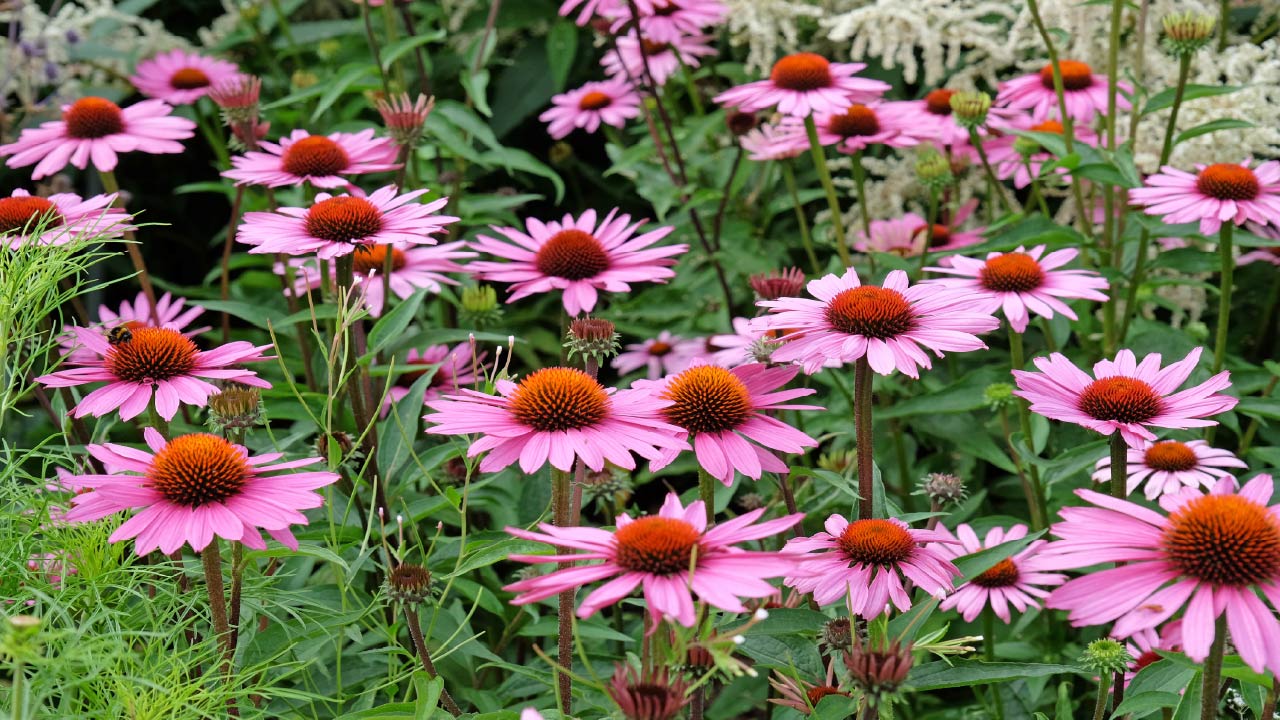
Water-efficient landscapes do not look dull. Many water-wise plants produce vibrant flowers throughout summer. Add some of the best drought-tolerant plants that provide beauty and texture to your landscape.
Best Plants: Coneflower, California poppy, Russian sage, lavender, salvia, yarrow, coreopsis, and verbena.
Choose plants with different heights, textures, colors, and flowering times so something lovely remains in bloom from spring through fall. Add trees, shrubs, perennials, and a well-maintained small lawn to create a visually stunning drought-tolerant landscape.
Design Functional Outdoor Living Spaces
Every square foot of your yard converted from high-maintenance lawn to functional living space reduces irrigation demand. In addition to climate-resilient planting and efficient irrigation, you must also create a comfortable outdoor living area to enjoy the charm of your space.
Consider including these amazing features in your landscape to increase its beauty, comfort, and functionality.
- Fire pit patios
- Outdoor kitchens
- Dining terraces
- Gravel seating areas
- Pergolas and decks
- Garden rooms
- Cozy seating area
Upgrade your outdoor living space by adding modern landscape lighting, path lights, and LED patio lights. With careful landscaping planning and design, your water-efficient landscape can outperform the attractiveness of conventional yards.
Read More: Indoor-Outdoor Living: Garden Design Ideas to Connect Your Home and Landscape
Minimize Steep Slopes and Reduce Runoff with Gentle Grading
Poor grading or slopes often direct irrigation water directly onto sidewalks or nearby hardscaping. This causes erosion and runoff.
When you design a water-efficient landscape, follow these tips.
- Slow water movement.
- Direct runoff into planting beds.
- Avoid steep slopes.
- Grow deep-rooted plants on hills.
If slopes can't be avoided in your design, grow plants with deeper roots such as shrubs and ground covers to provide soil stabilization and prevent erosion.
Perform Regular Maintenance of Your Water-efficient Landscape
A benefit of water-wise landscapes is that they require less time, effort, and money to remain healthy and beautiful than a traditional landscape. You will spend less time adjusting plants to fit your local conditions and more time enjoying their beauty.
Landscape Maintenance Checklist
- Check your irrigation system regularly for any leaks, tubing damage and loose-fitting connections.
- Monitor and maintain ideal soil conditions for optimal moisture retention.
- Adjust watering practices based on seasonal changes and weather patterns.
- Control weed growth to maintain a healthy water-wise landscape. Place fabric at the bottom of planting beds to block weeds. Remove weeds with an ergonomic weeder or pull them by hand.
- Control the growth of your plants by properly pruning, pinching, and deadheading at the right time. Proper pruning maintains your plants' health and removes dead or undesirable growth. Always use high-quality, sharp pruners like those from Felco and Fiskars to make smooth, clean cuts.
- Remove fallen leaves, branches, dead plant material, and other debris from patios and lawns.
The Bottom Line
Adopting water-efficient landscaping practices for your garden conserves precious water and creates a garden that is resilient to local weather patterns. Embrace these strategies to contribute to a sustainable future while enjoying the beauty of your eco-friendly landscape.
Design the landscape with water efficiency in mind from the very beginning, and you can create landscape backyards that remain vibrant, resilient, and sustainable for years to come. Your landscape will provide lasting value to the environment.
Explore sustainable landscaping solutions and transform your yard into an eco-friendlier future.