
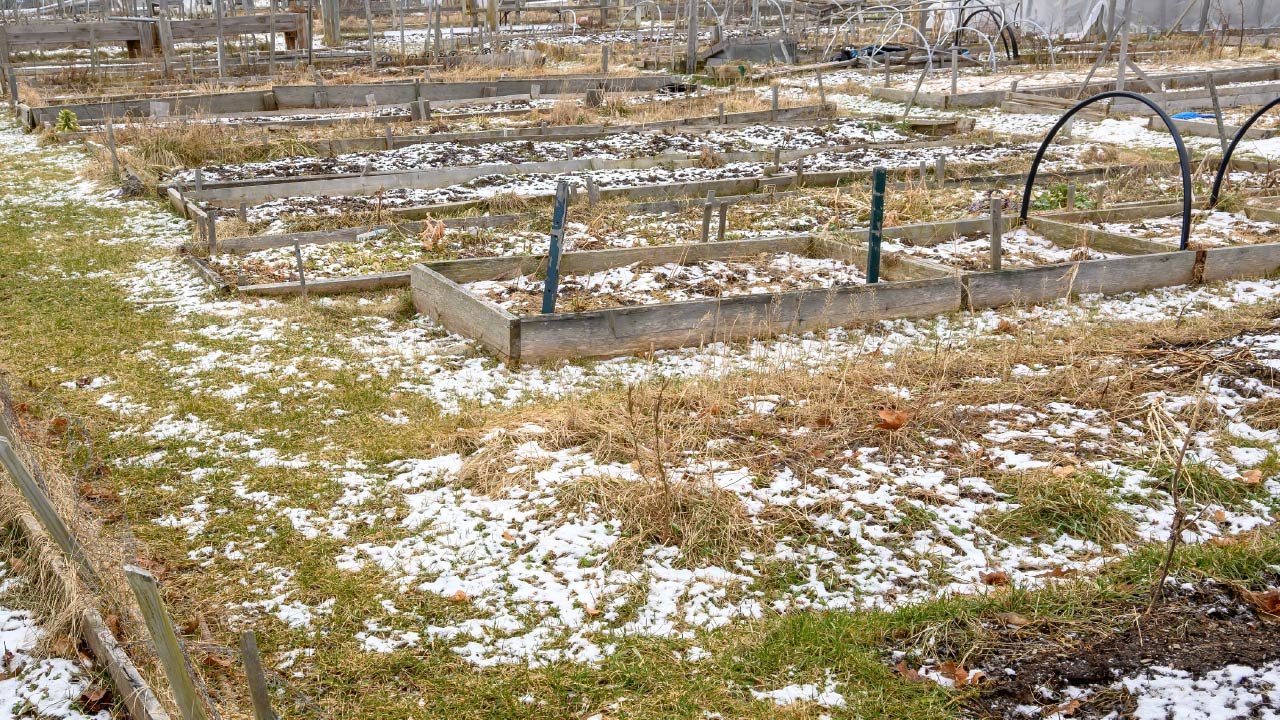
How to Care for Plants over Winter: Keep Your Plants Protected During Cold Months
Jan 7th 2026
Gardens and growing spaces are full of fresh growth and nature, even in winter. However, winter winds, fluctuating temperatures, and sporadic freeze all take their toll on your beloved garden plants. Some plants require a little extra protection to survive cold spells. So don't wait until you get a freeze. It's time to take care of your plants, keep them warm, and protect them from harsh weather conditions.
In this guide, we explore how to care for plants during winter and prepare them for cold and frost.
Use Covers to Protect Plants
Row covers, frost cloth, cold frames, and tunnels can protect your winter garden vegetables and extend their harvests. Row covers protect cold-weather plants from wind, frost, and snow. They also insulate the covered area by retaining heat released by the plants and soil. With these covers, you can extend your growing season a bit, giving yourself more time to savor your favorite cool-season crops.
Use rocks, hold downs, hoops, or poles to support the cover and keep it away from your vegetation. You can also use garden trellises for extra support.
Grow Frost-hardy Plants
Cabbage, kale, arugula, spinach, Swiss chard, broccoli, and root crops are some of the best cold-hardy plants that can survive the winter, especially when protected with row covers, frost cloth, and cold frames. In fact, a little frost will make their leaves taste sweeter. This means that you don't need to worry about plants if you choose ones that tolerate freezing conditions.
For plants, that means selecting plants that can tolerate cold temperatures and freezing weather, so you don't need to protect them. When you buy seeds or transplants, look for the USDA hardiness zone on plant labels or descriptions and avoid choosing plants that are not hardy in your growing zone. Choose container plants that are hardy to two zones colder than your region for winter survival.
Manage Soil Moisture
This is a crucial part to protect plant roots and some evergreens. Some plants, such as boxwoods, hollies, camellias, and others, may experience water stress in winter when strong winds or warm weather cause evaporation from their foliage. If water loss occurs when the ground is frozen, roots cannot absorb moisture to replace it. Therefore, you must keep an eye on weather conditions and water once or twice a month during prolonged dry periods. This is to protect the roots and provide sufficient moisture for evergreens.
Water plants only when the temperature is above 40˚ F and give water in the middle of the day to give it enough time to absorb it before it may freeze at night. If your soil is dry, irrigate all plants at least 24 hours before severe freezing weather. Most importantly, you should ensure plants enter dormancy in a healthy condition.
Grow Microgreens Indoors
Microgreens are among the simplest, tiniest, healthiest, and tastiest plants you may grow in your yard. Starting these fast-growing plants for yourself has several benefits, but perhaps the nicest thing about microgreens is how simple it is to grow them at home and care for them in winter. If you want the fresh garden flavor of delicate greens in winter, you can grow microgreens indoors under artificial grow lights to help you get through the cold months.
Microgreens and sprouts are incredibly healthy for you, and the best thing about them is that they grow in a matter of days without requiring any sunlight.
Read More: Essential Tips for Preparing Vegetable Gardens for Cold Weather
Covering the Soil and Garden Beds
Cold weather plant protection starts with caring for the most essential parts of your plants and garden–the soil and the plant's roots. If you have a bare area, a common way to protect it is to cover the area with weed barrier fabric or an old piece of carpet. Adding green manure to vegetable beds is a more natural way to protect the soil. This will protect the soil structure and offer more nutrients.
Protect Plant Roots
Bare soil exposes plants' roots to temperature swings during winter, putting them at risk of damage. Cold can kill roots, and short winter warm spells can put plants in danger by tricking them into coming out of dormancy too soon. Make sure all soil in garden beds is covered with a 1- to 2-inch layer of mulch. Give plant roots a cozy layer of mulch for winter. A mulch layer around shrubs, trees, and perennial beds helps decrease moisture loss and control soil temperatures during the colder months.
Insulate Plants
As freezing temperatures approach, you need to take essential steps to insulate your beloved plants against the cold. Cover plants with burlap, blankets, towels, or other insulating materials to protect from short freezes. Don't forget to weigh the edges of these covers down to the ground. Lift the insulating covers during the day to prevent excess heat from the sun. You can remove the materials as soon as temperatures allow.
Young trees, especially those with thin bark, such as maples and fruit trees, are vulnerable to freezing and thawing, which can cause bark to swell and contract, leading to cracks. Fragile trees benefit from a protective cover or plastic wrap during the winter for the first two growing seasons. It is recommended to remove wraps in early spring before new growth to prevent trunk damage.
Provide Heat Sources
To warm your plants during severe freezes, you can provide heat under frost covers. The safe and easy way to do this is to use a heat sink, such as a jug filled with hot water or stones warmed in the sun. These materials release heat slowly overnight, keeping temperatures under the insulation covers a bit warmer.
Another method is to place lights beneath covers to provide heat.
A 60-watt bulb can pose a fire risk if it comes into contact with the cover. So, a safer option is to use strings of outdoor holiday lights. These lights provide more heat without becoming hot enough to burn plants or covers. Remove the covers during the day to allow airflow and prevent excessive heat buildup from solar gain.
Also Read: How to Create Holiday Décor from the Garden for Special Christmas Look
Check and Secure Structures
Strong cold winds can damage plants and some garden structures. So, tie in climbing plants and make sure stakes, structures, and tree ties are secure. Before windy winter weather, this is a good time to check trellises, fencing, obelisks, and other plant supports. Make sure they're secured. Check if any structure needs replacement. It can be hard to protect a damaged or weak fence.
Move Tender Plants Indoors
Winterizing plants includes moving tender plants indoors to a sheltered place. If the plants are entirely dormant and have lost all their leaves, you can store them in a frost-free shed. However, evergreens will still need some light, so keep them in a greenhouse or on a sunny kitchen window. Line the greenhouse windows with wrap to insulate them and reduce the electricity required to heat the space.
If you leave plants outside, cover them with straw or fleece to protect them from cold weather. Additionally, keep the roots dry to improve the chances of these plants surviving the winter.
Look at Greenhouse Protection
If you have a greenhouse structure or tunnel, you can keep growing your favorite plants throughout the winter months. Whether you continue growing or not, it's always wise to protect your greenhouse before winter. It might be challenging to keep a greenhouse frost-free without any heat. Install heaters or use a low-cost method, such as a special greenhouse wrap, to insulate your greenhouse. Cut the bubble wrap to your greenhouse's size and attach it to the ceiling and all sides.
Attaching insulation around a greenhouse requires some effort and straining. It can be a good idea to get help with this task.
You may love to know: 12 Gardening Gift Ideas for the Plant Lovers and Gardeners
The Bottom Line
A little preparation might go a long way toward keeping your plants warm and cozy in this freezing weather. Our experts shared many simple winter garden preparation strategies to keep your precious plants safe and sound through winter. Careful winter preparation can also give your wildlife friends a helping hand. These useful tips will help your garden survive winter and thrive in the upcoming spring.
One of the many benefits of winter care for plants is that you will have a great reason to spend time in your garden, especially when there are fewer gardening activities to do at this time of year. Know which plants in your landscape might need additional protection during a cold snap. Keep a pile of insulation covers and blankets on hand for those freezing days.
Stay warm, keep your plants warm, and protect them from harsh winter weather. Plant some gorgeous winter flowers like pansies, coneflowers, dianthus, and black-eyed Susan's. They can all withstand frost and add amazing beauty to your garden.