
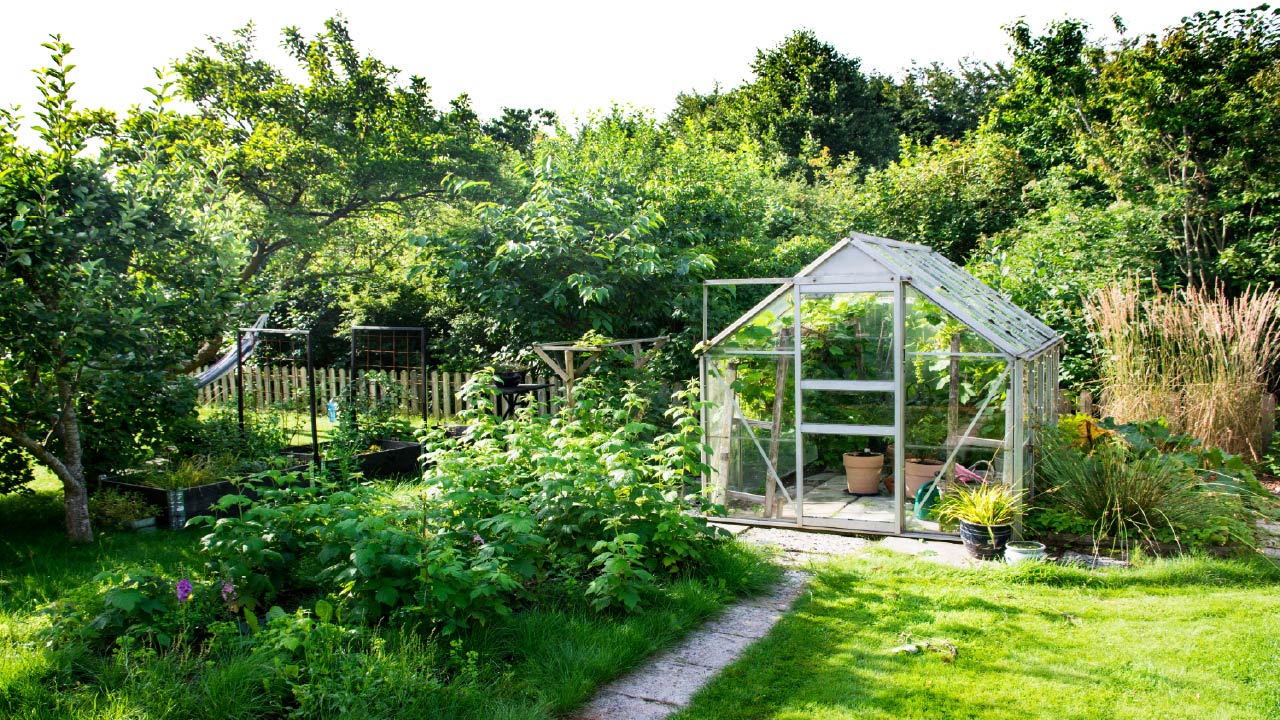
Greenhouse Gardening for Beginners
Jan 28th 2026
Every gardener would benefit from having a greenhouse because it lets you make the most of the gardening season. The enclosed growing practice provides adequate climate control to keep plants alive during the cold weather. It also prevents some pests and diseases. A greenhouse and high tunnel can create a protected, controlled, and ideal climate compared to what exists outdoors, but it is not that simple. Without adequate controls or a close eye, your greenhouse can become overly humid, too hot or cold for plants, or a breeding ground for pests and disease.
If you're new to greenhouse gardening, or even an experienced gardener looking to polish your greenhouse growing skills, this guide is for you. In this guide, you will learn how to create the ideal greenhouse conditions for your plants, which plants to grow, where to install a greenhouse, and all you need to know about successful gardening.
Where to Put Your Greenhouse
Location is key to installing a perfect greenhouse. There are several crucial factors to consider before deciding where to put a greenhouse. The sunlight, wind, weather, and distance from tree roots and water will all affect your greenhouse's ability to produce for years to come.
Moreover, the best greenhouse location will be well-drained and level. Rainwater from a greenhouse roof the same way it does from a house, so it's important to consider how you will manage the run-off. Rain gutters attached to barrels can handle rainwater disposal while collecting water for irrigation.
How Big Should a Greenhouse Be?
Consider the outdoor space where you wish to place the greenhouse to determine the appropriate size. If you're thinking about getting a walk-in greenhouse, consider how much space you'll need for your plants and yourself. Will there be more than one person inside at a time?
The size of the greenhouse you choose will depend on what vegetables you wish to plant, whether you use the greenhouse to start seeds, and what your goals are. One rule of thumb is that the average family requires 20 to 25 square feet of greenhouse growing space per person for vegetable gardening. Another tip is to get one size larger than you think you will need.
Best Soil for Greenhouse Gardening
Most greenhouse sites will have native soil that you can improve over time. Whether you incorporate raised beds into your greenhouse or plant directly in the ground, you should first amend the soil before planting to give your plants the best chance of producing successfully. Test your soil to see which nutrients are already present and which you need to add. Then, improve the soil health with soil amendments and organic fertilizers.
Also Read:5 Common Greenhouse Problems and How to Fix Them
Best Plants for Greenhouse Growing
Greenhouses are ideal for growing a variety of fruits, vegetables, and herbs. However, it is best to start with easy-to-grow plants. This is so you may learn the ins and outs of the greenhouse growing environment, which is very different from the outdoor garden. Once you have mastered greenhouse gardening, you can grow more exotic or tropical plants.
The best plants that will bring you an abundant harvest in the first greenhouse growing season include radishes, tomatoes, potatoes, garlic, strawberries, peas, zucchini, leafy greens, leeks, and cucumbers.
The Essentials of Greenhouse Gardening for Beginners
Here are the steps to start growing in a greenhouse as a beginner.
Starting Seeds
A greenhouse provides a controlled environment ideal for extending the harvest season. In certain climates or with additional heating or cooling, you can even grow year-round. However, you must know how to start plants from seed, as this is the first and crucial step of greenhouse growing. Doing it right will save you money and yield more vigorous, resilient plants.
When you're starting seeds in a greenhouse, keep the following important things in mind.
- Understand seed labels and know how they determine the seed quality.
- Make a list of plants you want to grow and mark the location.
- Invest in high-quality seed-starting containers, such as seed trays, pots, hydroponic trays, or single plug trays.
- Feed young seedlings with diluted fertilizer or plant food.
- Water your plants according to each plant's specific needs.
- Inspect the seed packets closely. They include a lot of valuable information, such as seed germination rate. These details will help you determine how many seeds you should sow to achieve your desired number of plants.
- It is best to overseed and select the strongest plants for your garden because only a few plants make it to the transplanting phase.
Temperature Control
Temperature control is another important aspect for beginners in greenhouse farming. To extend the garden season even further, you could install an electric or gas heater in the house to keep growing through the colder months, or get an Evaporative Cooling System to keep growing during the warmer months. It is also great to add both for the year-round growing experience.
In the summer, cooling is crucial for keeping your greenhouse plants healthy and alive. However, open windows or vents in the morning to ensure that your greenhouse is well-ventilated before it gets too hot. Greenhouse fans can also help keep the temperatures cool.
However, evaporative cooling is the most effective method, as it regulates both temperature and humidity inside a greenhouse. It works great in hot, dry climates like California, Arizona, and Colorado.
Light
Proper light is plant food. Greenhouses are designed to maximize the light that reaches your plants, promoting healthy plant growth. However, you might need to increase the lights at times, such as in early spring when you're starting seeds and days are still short. The only way to produce more light is to install grow lights. When selecting the best grow lights for your greenhouse plants, consider the types of plants you're growing and the amount of light they require to thrive.
Irrigation
irrigation systems and techniques for watering your greenhouse plants. But it's essential to consider your plants' watering requirements, as some require more water than others. Not every crop needs the same volume or frequency of water. Instead of watering all your plants equally, learn each plant's needs to avoid over or underwatering.
Incorrect watering weakens greenhouse plants but makes them more vulnerable to pests and diseases. To avoid these problems and water your plants effectively, install a drip irrigation system to provide them with a regular, steady supply of water when they need it. You can easily automate the watering system with an irrigation timer so your plants continue to receive water even when you're away.
Also Read:How to Install Drip Irrigation in a Greenhouse
Greenhouse Accessories
There are numerous accessories that can make your greenhouse gardening experience more convenient and enjoyable. Some useful greenhouse accessories include fans, grow lights, misting systems, potting benches, shelving, digital thermometers/hygrometers, shade cloths, and space heaters. When purchasing these accessories, keep in mind what your plants need, what you want to achieve, and the space your greenhouse provides.
The popular and useful greenhouse accessories that you might need include:
Misting Systems: These systems maintain humidity levels inside the greenhouse, which is vital in warm and dry climates.
Shelves and Racks: They'll save space and keep all the pots, trays, garden tools, and things organized in a small greenhouse.
Greenhouse Fans: Fans maintain optimal airflow and help purify and cool your greenhouse when used in conjunction with a proper ventilation system. They also help with bug and pest problems.
Shade Cloths: Sometimes, excessive sunlight can damage plants, especially young or tender ones. In this case, you can install shade cloths to reduce the amount of light penetrating the house.
Digital Thermometer/Hygrometer: This may look like a tiny accessory, but it is one of the most critical in greenhouse gardening for beginners. A thermometer tracks temperature inside your greenhouse, while a hygrometer monitors humidity. Knowing the levels will help you adjust the conditions promptly.
Pest Control for Greenhouse Gardening
Just like a greenhouse benefits plants, it also provides an ideal environment for pests that make their way inside. The warm, humid greenhouse climate and abundant plants make an attractive habitat for pests. The top greenhouse pests to look out for include aphids, bloodworms, thrips, slugs, and snails. To manage pests in your greenhouse, you must be watchful and address them before the issue escalates and you lose your beloved plants to an infestation.
Common Greenhouse Gardening Mistakes
When you're growing plants in a greenhouse as a beginner, it's certain that you will make some mistakes along the way. Therefore, we've discussed some of the most common mistakes beginner growers make so you can avoid them.
Temperature
A significant mistake new gardeners often make is forgetting to regularly monitor the greenhouse temperature. The best and easiest way to track greenhouse temperature is to use a basic thermometer or a digital thermometer that also measures humidity.
Humidity
Too much humidity allows mold, mildew, and pests to thrive in your greenhouse. On the contrary, too little humidity may cause your plants to die of thirst. Install a greenhouse misting kit, as it is the most effective approach to improve humidity.
Ventilation
If your greenhouse has little or no airflow, your plants will die from overheating. Open windows and roof vents to expel hot air. In hot weather, a fan might be required in a greenhouse to maintain optimal air circulation.
Soil
Successful greenhouse gardening requires healthy, well-drained soil for plants, but it also presents some challenges. It is simple to use your native soil, but you must ensure that you don't introduce pests into the greenhouse. Add organic matter such as compost and fertilizer to ensure your plants receive all the nutrients they need. Avoid reusing old potting soil, as it may carry pests and diseases.
The Bottom Line
Greenhouse gardening is rewarding. It allows you to garden year-round and enjoy your hobby all year. Nothing beats the feeling of eating a fresh salad at the peak of winter or picking a ripe tomato from your homegrown vine. From extending the growing season to providing a protected place for plants, greenhouse growing offers endless benefits. You just need to follow the right steps, create optimal conditions, and start greenhouse growing with proper care and attention. By following this guide, gardening in a greenhouse will become a favorite part of your gardening. So, get your greenhouse, experiment, plant, and have fun.
Looking to purchase the best-quality greenhouse for a wonderful gardening experience? Explore our comprehensive collection of greenhouses, greenhouse irrigation kits, and related accessories.