
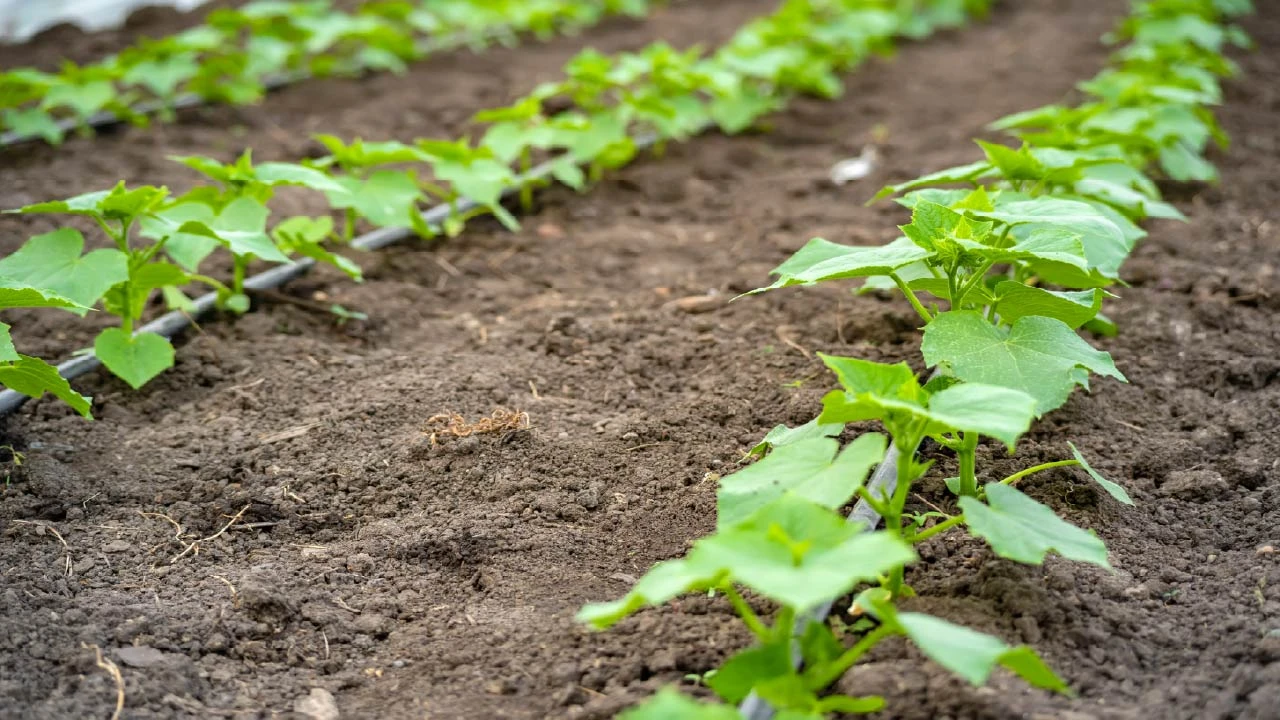
Drip Irrigation: 5 Best Drip Irrigation Kits for Easy Garden Watering
Oct 26th 2026
A thriving garden needs consistent watering, but watering each plant by hand can be inefficient and time-consuming. A drip irrigation system helps you grow a healthier garden and enjoy abundant yields. If you are looking for a smarter, more efficient way to nourish your soil and plants, drip irrigation kits are the solution. Instead of throwing water across the garden and hoping it lands where it should, a drip system delivers water slowly and directly to the root zone, where plants use it. For home gardeners, one of the easiest ways to get started is with a complete drip irrigation kit rather than buying every component separately.
This guide explains why gardeners are choosing drip irrigation kits, what to look for in a kit, and which five drip irrigation kits are the best choice for the most common garden setups.
Why Choose a Drip Irrigation Kit for Your Home Garden
You can build a drip system piece by piece. But that approach requires a lot of hard work and planning. A complete drip irrigation kit removes much of that guesswork. These kits are designed for specific watering applications and include the key components needed to move water from the faucet to the plants.
Standard watering practices like overhead sprinklers or hand-hosing lose up to 50% of water through evaporation, wind drift, and runoff. However, drip irrigation kits have 90% or higher water efficiency. That's why many gardeners are switching to it, and you should too.
Key Advantages of Switching to a Drip System
- High Water Savings: In regions facing seasonal droughts or strict municipal water restrictions such as the American Southwest and California, drip systems are highly useful. They minimize water waste, keeping utility bills low and plant health high.
- Fewer Fungal Diseases: Foliar diseases like powdery mildew, black spot, and early blight thrive when plant leaves stay wet. Drip irrigation keeps the foliage dry while saturating the roots.
- Targeted Weed Control: Sprinklers water everything, including weed seeds waiting in open soil. However, drip emitters moisten only the root zone of your target crops, starving weeds in surrounding pathways.
- Consistent Soil Moisture: Plants experience stress when soil changes between super dry and waterlogged. Drip delivery maintains steady soil moisture levels, which helps with stronger root development and higher fruit production.
- Less Daily Work: Add a timer and your irrigation system will run automatically according to schedule.
- Easier Expansion: Many drip systems are modular. You can add tubing, emitters, or additional beds as your garden grows.
What Makes a Great Drip Irrigation Kit?
Before diving into the list, you need to know the key components in a complete kit. A complete drip system includes:
- Backflow Preventer: Prevents non-potable irrigation water from siphoning back into your household drinking supply.
- Pressure Regulator: Garden hose faucets usually run at 40–70 PSI, which can burst drip tubing. A pressure regulator reduces it to a safe 15–25 PSI.
- Filter: Catches sediment and mineral debris before it can clog small drip emitters.
- Mainline Tubing: Polyethylene tubing (usually 1/2" or 3/4") that carries water from your faucet out to the garden.
- Emitters, Dripline, Drip Tape: The delivery mechanism that slowly releases water directly into the soil.
- Fittings and Accessories: Tees, elbows, end plugs, goof plugs, hold-down stakes, and hole punches used to customize the layout.
The Best Drip Irrigation Systems for Raised Beds, Gardens, and Row Crops
The 5 Best Drip Irrigation Kits
All these kits are tailored to specific garden styles and include all the essential components in a single package.
#1. Garden Bed Drip Irrigation Kit
Best for: Raised beds, vegetable gardens, intensive planting, small urban yards
A raised bed drip irrigation kit is designed exactly for raised beds that dry out quickly in summer and drain fast. If your backyard garden consists mainly of raised beds, this kit is for you.
The DripWorks Garden Bed Irrigation Kit is designed for garden beds and comes in small, medium and large sizes. The current small kit supports up to three 4' x 8' beds, while larger configurations can handle up to 18 beds. All kits include a durable 1/4-inch soaker dripline that can run in straight rows, curve around plants, or install through dense planting areas.
What the kit includes
- Mainline tubing to reach from your water source to your beds
- 1/4-inch micro tubing, 1/4-inch soaker dripline, smaller distribution lines or drip lines sized for compact beds
- Fittings to connect lines back and forth within each bed
- Pressure regulator and filter
- Hold-down stakes to hold driplines in place
Why Choose this Kit
It's the best match for gardeners who want a simple irrigation system for vegetables, herbs, flowers, and raised beds without designing every component from scratch. It's also the neatest, most efficient way to water a bed packed with plants.
Tubing zigzags through the bed so every corner is covered, and there's no runoff over the edges. If you plant close together, as in square-foot gardening, this setup keeps every square hydrated.
Important Tips
- Measure your garden beds first and choose a kit sized for the number of beds you have.
- If beds are far apart, add extra mainline tubing.
- Run separate lines for plants with very different water needs, such as water-loving cucumbers versus drought-tolerant herbs.
- Lay the drip line before you plant or tuck it beneath a layer of mulch. Mulch reduces evaporation and protects the tubing from UV.
#2. Drip Tape Row Crop Drip Irrigation Kit
Best for: Traditional in-ground vegetable plots, long vegetable rows, larger backyard gardens
If you plant vegetables in straight, uniform rows, a drip tape kit is a practical choice for keeping the entire garden evenly watered. Drip tape is thin tubing with built-in emitters spaced along its length. It suits straight rows of crops because one line can deliver water along an entire planting row.
DripWorks row crop irrigation kits also come in small, medium, and large configurations. The larger kits are designed for much bigger growing areas.
What the kit includes
- Mainline tubing to carry water from your spigot to the garden
- Drip tape rolls for each row
- A garden filter and pressure regulator to protect the system
- Connectors, end caps, punch tools, and fittings
- Hose-end adapter so you can connect at a standard spigot
Why Choose It
Row crops like tomatoes, peppers, beans, corn, and squash all benefit from steady, even moisture. Inline emitters in drip tape spaced evenly along the line mean every plant along the row gets water, even if you're not perfectly precise with spacing. If your garden has more long rows than individual beds, drip tape can simplify the layout and make watering large planting areas much easier.
#3. Individual Plant Irrigation Kit
Best For: Trees, shrubs, perennial flower beds, scattered landscape plants, widely spaced vegetables
Not every garden has vegetable rows. Maybe your garden has tomato plants scattered around a yard, young fruit trees, ornamental shrubs, roses, or individual plants growing at different distances from each other. Landscaped yards and shrub borders feature spaced-out plants with varying water needs. In that case, a dripline layout isn't the right choice.
The Individual Plant Drip Irrigation Kit is designed for this type of garden. It relies on point-source emitters inserted directly into 1/2" main tubing near each plant base. Instead of running a continuous dripline through an entire bed, the system uses individual emitters positioned where each plant needs water.
What this Kit Includes
- Heavy-duty 1/2" poly mainline tubing
- Pressure-compensating spot emitters
- Hole punch tool and goof plugs for easy customization
- Easy loc hose thread connection and filter.
- An optional timer can be added for automatic watering
Why Choose It
Different plant types require different amounts of water, and this kit lets you customize watering at each location. Give thirsty hydrangeas a 2 GPH emitter while placing a 0.5 GPH emitter on a nearby drought-tolerant ornamental grass. The kit's most useful feature is that you can choose different emitter arrangements based on plant size.
#4. Container and Patio Drip Irrigation Kit
Best for: Potted vegetables, container gardens, herbs, hanging baskets, patio planters, balconies, window boxes
Container gardens dry out faster than anything else. A pot in full sun can go from moist to wilted in a single afternoon. Hand-watering a dozen pots every day is a chore that most gardeners eventually neglect. A container drip irrigation kit makes it convenient.
The DripWorks Deck Garden Irrigation Kit is designed for pots, planters, window boxes and deck gardens. The small kit handles up to 45 pots, while larger configurations support many more containers.
The kit combines soaker dripline and pot drippers, giving you two ways to water containers. Use a soaker dripline where you need to distribute water across a planter or larger container. For individual pots, a pot dripper can provide water to the soil around a specific plant.
What the kit includes
- 1/2-inch mainline tubing to run from the source to each container
- Soaker dripline to distribute water across a planter
- Individual pot drippers or emitters
- Stakes to hold emitters in place in the soil
- Connectors and a hose-end adapter
- Filter and pressure regulator
Why Choose It
It's flexible. You can customize the flow to each pot. Give a big tomato in a 20-gallon container more water than a small pot of thyme. It's also easy to rearrange when you move planters around.
Important Tips
- Adjustable drippers work well because different plants and pot sizes have different needs.
- Keep tubing runs tidy to avoid tripping hazards on patios.
- Containers need more water on hot summer days so check soil moisture regularly.
- Add a timer and you can leave for a vacation without a plant-sitter. Just test the system for several days beforehand so you know your pots are getting enough water.
How to Install Drip Irrigation for Containers and Hanging Baskets
#5. Orchard Drip Irrigation Kit
Best for: Home orchards, backyard fruit trees, berry bushes, hedges, young trees establishing roots
Trees are a long-term investment in your garden or landscape, and they need a different watering pattern than veggies. They need deep, slow soaking that reaches far below the surface, and water spread over a wide area, not just at the trunk.
Young trees need consistent moisture as they establish roots. Mature trees, by contrast, have much larger root zones.
An Orchard Irrigation Kit is made for this application. The key advantage of an orchard-oriented kit is that it can be designed around tree spacing and water needs.
What this Kit Includes
- Mainline tubing for long runs and PC emitter tubing
- Stakes, connectors, and end caps
- Filter and pressure regulator
Why Choose It
Young trees especially benefit from consistent watering in their first few years. A good drip setup helps them establish faster and handle heat waves. Mature fruit trees also need steady moisture to improve fruit quality and size.
How to Choose the Right Drip Irrigation Kit for Your Garden
The biggest mistake gardeners make is choosing a kit based only on price. Instead, start with your plant type and garden layout.
Choose a Garden Bed Kit if:
- You grow vegetables in raised beds.
- Plants are arranged close together.
- You want a flexible dripline.
- You have several beds to irrigate.
Choose an Individual Plant Kit if:
- Plants are widely spaced.
- You have shrubs or trees.
- Different plants need different emitter arrangements.
- Your garden doesn't follow straight rows.
Choose a Container Garden Kit if:
- You grow most plants in pots and containers.
- You have patio planters or window boxes.
- Your pots dry out quickly.
- You want to automate container watering.
Choose a Drip Tape Row Crop Kit if:
- You grow vegetables in long rows.
- You have a larger garden.
- Crops are planted at consistent spacing.
- You want efficient row irrigation.
Choose an Orchard Kit if:
- Trees are your main focus.
- You have a backyard fruit orchard.
- Plants are widely spaced.
- You need to distribute water around larger root zones.
Many gardeners end up combining two or more. Dripworks drip irrigation components are modular, so you can run a mainline from one spigot and branch off to different zones.
How to Install a Drip Irrigation Kit
- Sketch your Layout: Map out beds, rows, and containers. Measure distances.
- Prepare the Faucet Assembly: Thread the backflow preventer onto your outdoor faucet. Attach the filter, then the pressure regulator, and the 3/4" hose thread to 1/2" tubing adapter.
- Lay out the Mainline Tubing: Run the larger tubing to your garden area. Leave it in the sun for a few hours to make it easier to work with.
- Add Branch Lines and Emitters: Connect drip lines or drippers according to your plan.
- Secure Tubing: Use stakes or clips so tubing doesn't move.
- Flush the System: Before closing the ends, run water through to clear debris, then cap off the ends.
- Test and Adjust: Turn on the watering, look for leaks, and ensure that every plant is getting water.
- Mulch: Cover the tubing with a light layer of mulch. This the tubing from damage and helps it hold moisture in.
Maintenance Tips to Keep Your Drip Irrigation Kits Running for Years
Drip irrigation is low-maintenance, but not no-maintenance. To ensure your drip irrigation kit lasts for years, follow these simple maintenance practices.
- Clean the filter regularly. A clogged filter is the main cause of poor flow.
- Check for clogged emitters. Walk the garden while the system runs and look for dry spots.
- Flush the ends regularly. Briefly open the end caps to clear
- Inspect system for damage. Critters, shovels and string trimmers can all nick tubing. Repair it immediately to prevent water waste.
- Winterize in cold climates. If you live where freezing temperatures are common, drain the system before the hard freeze. Disconnect the timer and filter and store them indoors.
- Adjust seasonally. Plants need less water in spring and fall than in peak summer. Adjust watering based on weather, plant needs, and season.
Should You Add a Timer to Your Drip Irrigation Kit?
Absolutely yes. A timer eliminates the need to remember to turn the faucet on and off every day. It also delivers water at consistent times. You can enjoy your vacation and do your errands without worrying about your plants. But don't "set it once and forget it." Your plants still need observation. Change the timer settings based on weather, rainfall, and plant type. Consider installing a smart controller for greater control over your system.
Can I install a drip irrigation kit myself?
Yes. Most garden kits are designed for DIY installation with basic hand tools. Plan your layout first and take it one section at a time.
How long do drip irrigation kits last?
With proper care and protection from prolonged UV exposure, high-quality tubing and fittings can last many years.
How to Improve a Drip Irrigation System with Easy Upgrades and Tips
The Bottom Line
Switching to drip irrigation is one of the most rewarding upgrades you can make for your garden. You'll use less water, spend less time dragging hoses, and grow healthier, more productive plants. Choose a specialized drip irrigation kit from DripWorks and eliminate the hassle of sourcing individual components while ensuring your plants receive ideal moisture all season long.
Whether you have raised beds, containers, row crops, or landscape borders, select the kit that matches your garden layout and enjoy healthier plants, bigger harvests, and reduced water bills.