
December Gardening Checklist for Northern California Gardeners
Dec 20th 2025
The winter season in Northern California can feel like a lush rejuvenation after a hot summer, as the hillsides turn green, trees drink deeply, and bright berries and winter flowers stand out in gardens. December is one of the restful months for northern gardeners, but there are still many tasks to keep gardeners busy. It's a time to browse seed catalogs, protect plants, review the gardening successes of the past year, prepare the garden tools, and plan ahead for the upcoming growing season. This time of year, be thankful to birds and wildlife you encounter, as they control a lot of garden pests. Some birds will even eat pests in the ground, helping you maintain the soil health.
Here's a list of 12 Northern California garden tasks to do in your garden this December, including planting winter-blooming flowers, frost-protection tips for tender plants, inspiring ideas, and some maintenance tips for this month.
1. Prepare Garden Beds
If there are unused areas in your yard and garden, turn them into a new garden bed to grow edibles or beautiful ornamental plants. December is the perfect month to prepare your gardening beds and do some soil care, so your soil has enough time to develop for plant growth.
Remove any dead or diseased grass, leaves, or other plant material from the garden beds. Now add 2- 4 inches of organic compost to the bed. Use a rake to aerate the soil and create pathways for air, nutrients, and water to reach the surface. Mulching garden beds in winter is also recommended because it helps regulate soil temperatures, reduces weed growth, and improve soil life and quality.
2. Keep Bird Feeders Full
Birds bring beauty, life, and lovely music to the garden. They stay in Northern California all winter. Bird feeders that remain full attract and sustain many non-migratory birds. It's vital to maintain the health of the birds that visit your garden frequently. They can get sick from rotting seeds and unclean feeders. Therefore, make sure to clean your feeders once every two weeks.
Remove any remaining seeds, then clean your feeders with hot water and soap. If necessary, you can use a disinfectant, such as vinegar, or an all-natural cleaning solution. After cleaning, refill the feeder with fresh seeds and suet cakes.
3. Protect Frost Tender Plants
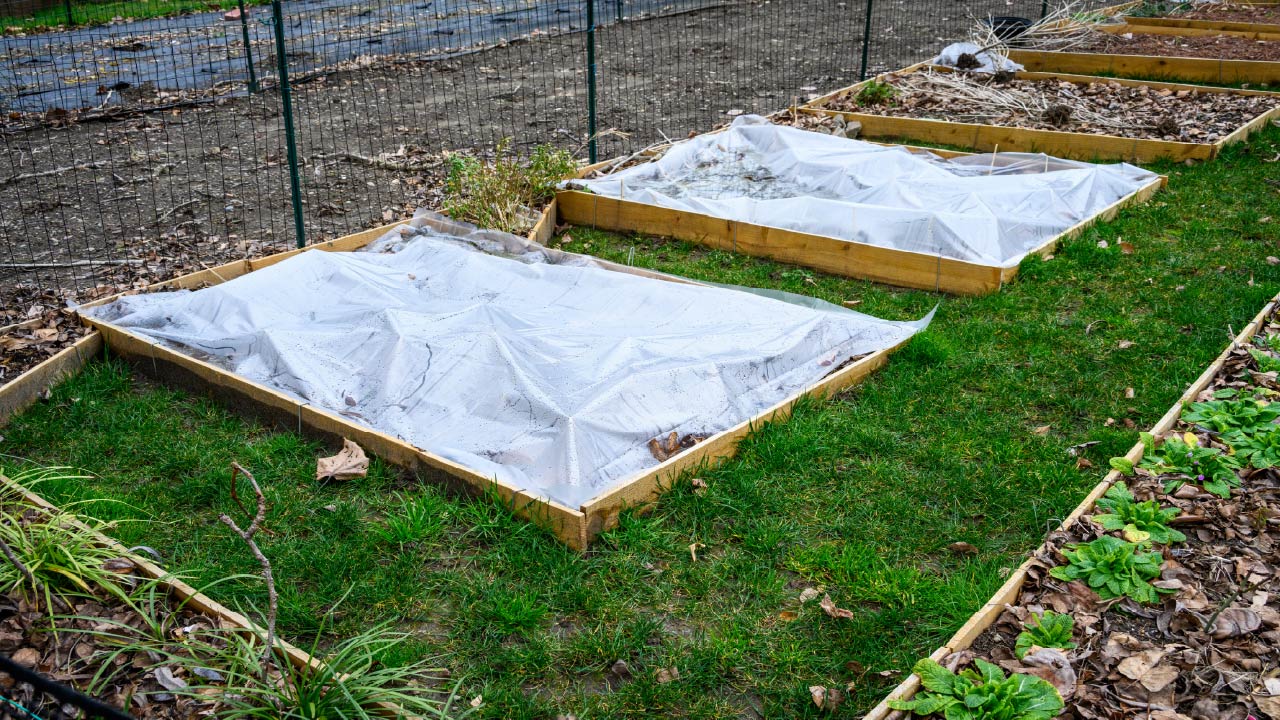
When temperatures fall below freezing, cover plants with a frost cover to help protect vegetable starts and other tender plants from frost damage. Frost covers, or row covers, act like a cozy blanket for tender plants, retaining warmth and moisture while keeping frost off foliage.
Secure row cover around a plant that needs protection using hold downs or rocks so that the cover does not touch the foliage. Strawberries are also sensitive to frost, so protect them throughout the winter using row covers. Frost-damaged plants will produce less.
4. Keep Planting Cool-Season Vegetables
You can plant many cool-weather crops in your Northern California garden, such as leafy greens, kale, collards, chard, mustard greens, cabbage, broccoli, and cauliflower. Plant these veggies from starts instead of seeds because the soil might be too cold for seed germination.
Choose a planting area that receives full sunlight or grow in portable containers that can be relocated to a sunny spot. If you plan to start seeds for cabbage and spring lettuce, you can plant them in a cold frame or in the greenhouse. Keep the soil moist after planting.
5. Plant Spring-Blooming Bulbs
December is not too late to plant bulbs in the California garden. You can plant the spring-flowering bulbs until the end of the month. Planting pre-cooled bulbs bought from a store can help with flowering. Pre-cooled bulbs have already spent 8 to 12 weeks in a refrigerator. You can also grow bulbs indoors in pots or vases with or without soil.
Read More: Designing a Winter Sensory Garden: Colors, Aromas, Sounds, and Textures
6. Clean and Sharpen Garden Tools
A rainy December day is perfect for inspecting your gardening tools and cleaning them. Clean, sharpen, and oil the cutting edges of cutting tools. Discard or replace any damaged or inefficient tool. Make sure your toolkit includes essential garden tools, such as a trowel, rake, dibbler, pruning shears, garden gloves, along with other accessories.
7. Plant Berries
Birds love colorful berries, and these plants bring festive cheer and interest to your winter garden. Holly look-alike native toyon is one of the beautiful California native plants to add to your garden. Toyon's jewel-like clusters of red berries make it stand out on chaparral hillsides and in Northern gardens from late October through the new year. Plant a toyon in a sunny garden spot and well-draining soil, and you'll soon enjoy robins, cedar waxwings, and other fruit-eating birds visiting your garden to eat the berries.
Toyon berries are decorative just like English holly in festive wreaths and holiday décor arrangements. This all-California-native wreath includes sprigs of toyon, redwood, and coyote bush.
8. Use Greenery for Décor
If you're cutting evergreens, have good-sized dogwood, willow shrubs, or extra trimmings from your Christmas tree, use this greenery as winter decorations. It is a great way to save money on holiday decorations.
9. Prune Fruit Trees
December is the best time to prune fruit trees and ornamental shrubs. You can start pruning once your trees have dropped their leaves and are clearly dormant.
Before pruning, clean and sharpen your pruning shears to make smooth, healthy cuts that don't tear the wood. If pests have been a problem, spray with oil right after pruning to suffocate overwintering insect eggs, mites, and soft-bodied insects. A copper or sulfur-based spray can be used to control fungal issues.
When using sprays, always read the labels, follow the instructions, and wear protective gloves, glasses, and clothing.
10. Grow a Living Christmas Tree
Consider buying a Christmas tree that will live on after the holiday season and can be used year after year. Tree varieties such as Norfolk Island pine, Southern yew, and monkey puzzle tree are excellent choices for Christmas trees because they can also be grown as houseplants and perform well indoors over the holidays. You can plant the trees in your garden come spring.
Make sure the pot you use to plant your tree is large enough, usually a 15-gallon container. Redwoods, deodar cedar, Douglas fir, and Colorado blue spruce are among the more traditional-looking conifers to pot and use as a real Christmas tree.
11. Check Your Garden Irrigation System
While the dry winter season is still fresh, you can carefully evaluate your irrigation system's efficiency and note which parts need replacement or improvement. Examine which garden areas received too much water? Which plants remained thirsty? Do the emitters need to be cleaned or replaced? Set a date on your gardening calendar to complete all necessary repairs and upgrades so that your irrigation system is in perfect condition and ready to go as soon as winter rains stop.
12. Plan for Next Year's Garden
It could be a long winter, so take some time thinking about your garden plans for the next year while you stroll through the garden. Winter months are good times to reconsider your garden and redesign areas that need help. You can also rethink how you want your winter garden to look. Do you want more evergreens in your winter garden? Do you need more interest and color in winter from berries? Are new raised beds, hardscape, containers, trellises, or structures needed?
If you plan to make big renovations, take some photos and measurements. During these freezing months, most of the greenery is gone, so you can clearly see your garden.
Also Read: Drip Irrigation System vs. Soaker Hoses: Which is Better for Your Garden
The Bottom Line
Tackle these garden tasks in this quiet, slow month of December to prepare for winter and plan for the next season. Many of us are eager to cozy up by a fire pit and spend time indoors during these short winter days, but there are still a few things Northern gardeners can do to prepare their gardens for winter and bring some of the gardening indoors.
Since this is also the season of holiday gifting, give your plant-loving friends, family, and loved ones wonderful gardening gifts. One last garden chore on our December gardening checklist for Northern California is to rest and be cozy. The cooler weather allows us to slow down, which is one of the pleasures of a northern climate, so enjoy it.