
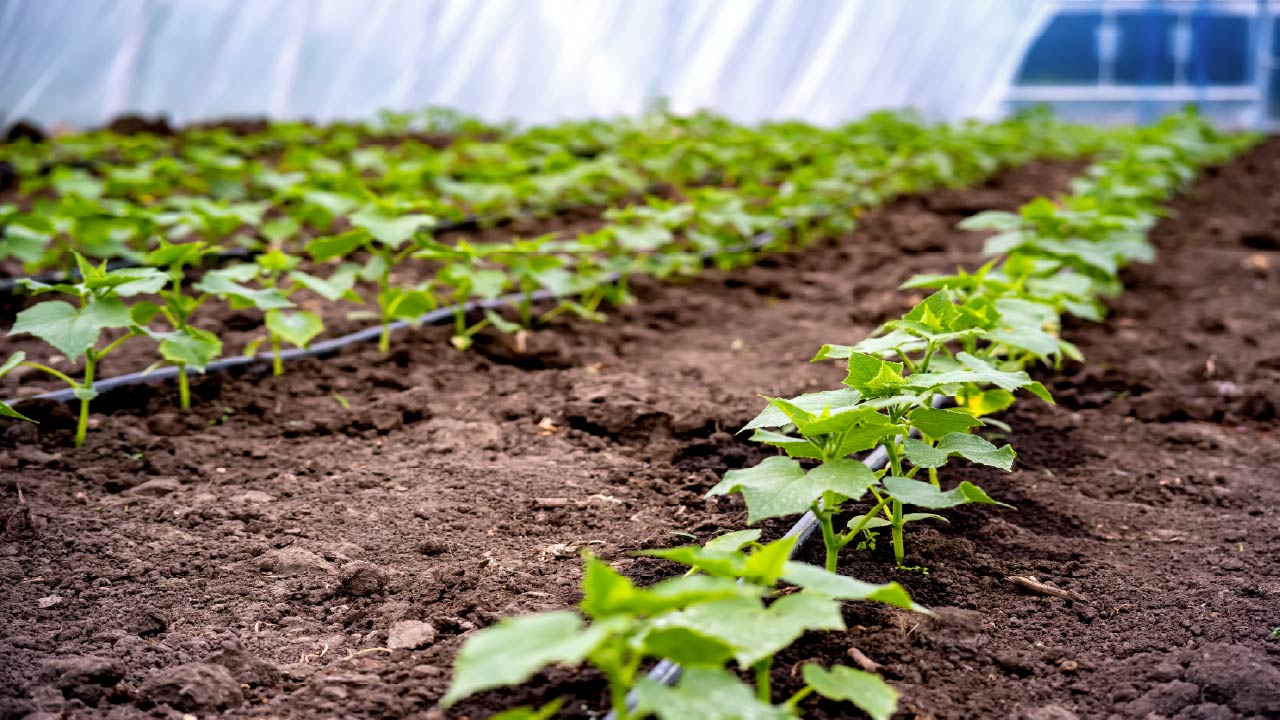
Drip Irrigation System vs. Soaker Hoses: Which is Better for Your Garden
Dec 4th 2025
Hand watering a garden is time-consuming, and sprinkler irrigation systems waste water and promote weed growth. However, there are other efficient irrigation options, including drip irrigation systems and soaker hose systems. Drip irrigation and soaker hoses are two popular methods for homeowners seeking an eco-friendly way to water their yards or gardens.
The size, location, and layout of your garden will determine whether a drip or soaker hose system is best. When deciding between drip irrigation and soaker hoses, carefully consider the features to choose the best watering solution for your garden. Both options conserve water, save time, reduce weed growth, and help prevent fungal diseases like powdery mildew.
In this article, we'll discuss both irrigation options in detail and examine the pros and cons of drip irrigation and soaker hoses.
Drip Irrigation System
Drip Irrigation is a high-efficiency irrigation method that delivers water directly to the plant's base or root zone through a network of tubing, emitters, and fittings. It precisely targets the plant's root zone to reduce evaporation and runoff.
Drip irrigation systems have become highly popular in recent years due to their excellent water efficiency and ease of use. These targeted systems use a series of flexible tubes with tiny holes or drip emitters that deliver a slow, steady drip of water to the roots.
Drip Tape
Drip tape is a highly flexible flat-style tubing with evenly spaced emitters that effectively and consistently water plants. It is a cost-effective and superb way to water long, straight rows of crops. Drip tape works well for both surface and subsurface drip installations. You can use it above ground, mulched, or buried. It is ideal for watering row crops or raised beds.
Drip Line
Dripline is the simplest type of drip irrigation. It is an economical and effective way to water a range of plants and gardens. This round tubing is made of heavy-duty plastic that will last for multiple seasons. It has pre-installed emitters at 6, 9, or 12-inch intervals. The drip line also works well with both gravity and low-pressure systems. You can use it to water raised vegetable beds, row crops, flower beds, planters, window boxes, or large bushes.
Drip Irrigation System Pros and Cons
Let's explore the pros and cons of using a water-saving drip irrigation system.
Pros
Highly Efficient: Soaker hoses use less water than traditional garden hoses and sprinklers, but they are not as efficient as drip irrigation. A well-installed drip system can save up to 80% water compared to other watering methods. If you want to save water, a drip system is the best option.
Precision Watering: Drip irrigation systems can be completely customized, and you can direct individual emitters to specific plants or containers. This ensures water is precisely released where plants need it.
Versatile: Drip irrigation systems outperform soaker hoses in terms of versatility. By using flexible drip tubes and elbow connectors, drip lines can be routed into raised beds or individual pots, installed around trees, or placed between vegetable rows. Drip systems can also be used on large garden areas and sloping hillsides.
Durable: Drip lines are more UV-resistant and last for multiple seasons. This system is the best choice for permanent installation, as it can last 10-15 years on average, but it can survive even longer with proper care.
Cons
High Initial Investment: Drip irrigation systems usually have a higher upfront cost than soaker hoses. However, these systems are durable and long-lasting, so they may be worth the extra investment.
Installation: Drip system installation can take more time and planning. However, you will end up with an irrigation system that's fully customized for your garden.
Clogging Issue: Drip emitters can become clogged over time and will require periodic inspection and maintenance. To avoid this, use pressure-compensating emitters. They significantly reduce maintenance because they're rarely clogged. They have a flexible diaphragm inside that regulates the water flow and flushes particles from the system.
When to Use Drip Irrigation
Drip irrigation is the ideal irrigation solution for a sloping or large garden with various plants grown in multiple zones. This system is perfect for both edibles and ornamentals, as it offers precise watering of individual plants and container gardens. Use this system to irrigate raised beds, rows of crops, containers, window boxes, hanging planters, trees, and greenhouses. Although drip systems require a healthy initial investment, they last for years, are repairable, and offer unbeatable water conservation benefits.
Soaker Hoses
A soaker hose is a porous tube made from recycled materials. This pipe looks like a garden hose, but it discharges water along its entire length. A soaker hose system allows water to seep slowly along its length, providing a thorough soaking of the surrounding area. The pores in the hose allow water to slowly go to the plants. They can be laid on the soil surface or buried under mulch to water borders, garden beds, or vegetable patches. Most soaker hoses are made from rubber and polyethylene; however, BPA-free, polyurethane types are now available.
Soaker Hose System Pros and Cons
Let's discuss the benefits and limitations of using a soaker hose system.
Pros
Easy to move: Soaker hose can be lifted like a traditional garden hose and placed in garden beds as needed. Unlike a drip system, moving soaker hoses is not a chore.
Best for Small Gardens: Soaker hoses don't take up much space. They are perfect to use in small to medium gardens or to keep a rose shrub or young tree hydrated.
Easy Installation: The Soaker hose system is very simple to install. Hook up the soaker hose to the nearest faucet, position it beneath the plants you want to water, and turn on the water supply. That's it.
Cons
Less Precise Watering. Soaker hoses lack individual drip emitters, so they are less precise. They are less useful for watering small plants and more likely to promote weed growth.
Less Water Efficient: Soaker hoses release water along their entire length. As a result, they take longer to deep water plants, which makes these systems less efficient than drip irrigation.
Work Only on Flat Ground: Soaker hose system performs best on level ground because you can't adjust pressure at different points in its length.
Difficult to Repair: If you break or damage a soaker hose, it is more difficult to repair. Also, they are more prone to UV damage, so sun damage and degradation can occur over time. You can fix this by covering the hose with a thin layer of mulch.
When to Use Soaker Hoses
Soaker hose systems are perfect for small-space gardens and watering ornamental trees. They are not ideal for watering slopes, large gardens, and container-grown plants. If you're looking for an affordable watering solution and don't want to deal with drip system installation, soaker hoses may be the best option for you.
Drip Irrigation System vs Soaker Hose System: Which Irrigation System is best for Your Garden?
The right irrigation system is the one that perfectly suits your gardening needs, preferences, and budget.
- Use soaker hoses to water smaller gardens on level ground or raised garden beds. They have a low startup cost and are simple to install and configure by just wrapping around the plants.
- Use a drip irrigation system for vegetables in long rows, large gardens, containers, pots, flower beds, and trees. They are also an excellent choice for sloped gardens. Although drip systems come with a high startup cost, they will perform reliably for years to come, and their benefits will pay you in the long run.
The Bottom Line
A drip irrigation system offers several advantages over the soaker hose system. These benefits include more precise water delivery, healthier plants, environmental benefits, and greater durability.
Before choosing an irrigation system, understand your gardening needs and personal preferences. With a drip irrigation system, you can create a more sustainable and water-efficient watering system that keeps your garden beautiful and healthy without the hassle of dragging soaker hoses. Sometimes, a combination of both watering methods might be ideal for a thriving garden.