
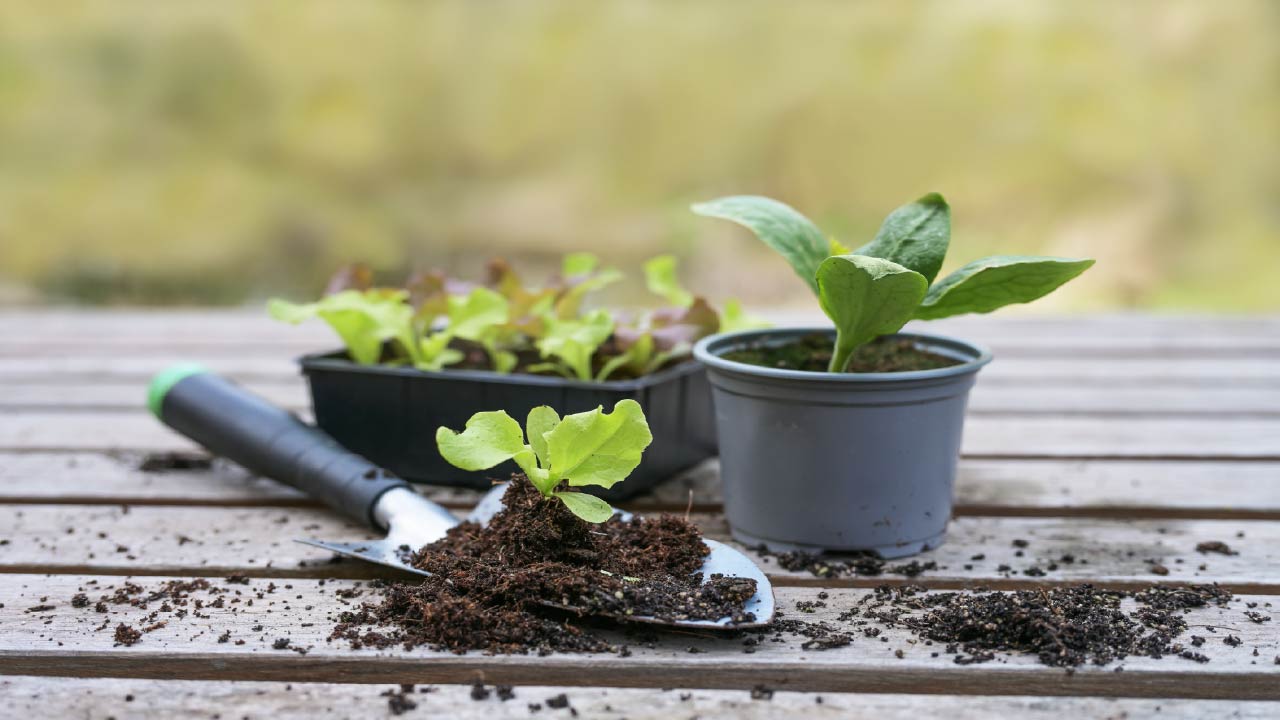
Beginner Friendly: How to Start a Small Vegetable Garden in Spring
Apr 13th 2026
Spring is the perfect time to start a vegetable garden. The weather is warming up, the days are getting longer, and plants are ready to grow. If you've never gardened before, don't worry, starting small and simple is the best way to learn. This step-by-step guide will take you through everything you need to know to grow your own fresh vegetables at home.
This guide will provide the essential steps to start your first garden. Everything from soil to plant selection, so let's get started.
Step 1: Choose the Right Location
Your garden's success starts with location.
Look for a spot that:
- Gets 6–8 hours of direct sunlight daily
- Has good drainage
- Easily accessible for watering and maintenance
If you don't have a yard, don't worry, containers on a balcony or patio work great too.
Step 2: Start Small
One of the biggest beginner mistakes is going too big too fast.
Start with:
- A small, raised bed, like 4x4 feet or 4 x8
- A few containers or pots
This keeps things manageable and helps you learn without feeling overwhelmed.
Step 3: Choose Easy Vegetables
Pick beginner-friendly vegetables that grow well in spring and don't require too much maintenance.
Great starter options:
Choose vegetables you enjoy eating; this will motivate you to care for them.
Step 4: Prepare Your Soil
Healthy soil is a must for healthy plants.
For in-ground gardens:
- Loosen the soil about 8–12 inches deep.
- Mix in compost or organic matter.
For containers:
- Use a high-quality potting mix.
Good soil should feel loose, crumbly, and rich in nutrients.
Step 5: Plan Your Layout
Before planting, decide where each plant will go.
Keep in mind:
- Taller plants, like tomatoes, should go in the back or on the north side.
- Smaller plants like lettuce go in front.
- Leave space between plants for airflow and growth.
Check seed packets or plant tags for spacing recommendations.
Step 6: Plant Your Seeds or Seedlings
You can either:
- Start from seeds, cheaper, more variety.
- Buying seedlings is easier for beginners.
Basic planting tips:
- Follow the depth instructions on the seed packets.
- Water gently after planting
- Don't overcrowd plants; they need space.
Spring crops like lettuce and radishes can be planted early, while warm season crops like tomatoes should wait until after the last frost.
Step 7: Water Consistently
Watering is key to a healthy garden.
- Aim for 1–2 inches of water per week.
- Add drip irrigation to water at the base of plants, not the leaves.
- Water in the morning to prevent disease
Soil should be moist, not soggy. You must water consistently to allow plants to grow and produce a good harvest.
Read: Drip Irrigation Installation for Beginners: Easy DIY Setup Guide
Step 8: Add Mulch
Mulch helps your garden thrive by:
- Retaining moisture
- Reducing weeds
- Regulating soil temperature
Use materials like:
- Straw
- Wood chips
- Shredded leaves
Apply a thin layer around your plants after they've started growing.
Step 9: Watch for Pests and Problems
Check your plants regularly for:
- Holes in leaves
- Discoloration
- Bugs
Start with simple solutions:
- Remove pests by hand.
- Use natural remedies like neem oil.
- Keep plants healthy to prevent issues.
Catching problems early makes them easier to manage.
Step 10: Harvest and Enjoy
The best part of gardening is harvesting your own food.
- Pick vegetables when they're ripe but not overgrown.
- Harvest regularly to encourage more growth.
- Enjoy your produce fresh in meals.
Even a small garden can provide a surprising amount of food.
Bottom Line
Starting a vegetable garden in spring is one of the most rewarding ways to connect with nature and improve your well-being. With just a little effort and care, you'll soon be enjoying fresh, homegrown vegetables right from your own backyard.
This blog covers the basics of starting a small vegetable garden in spring, including tips on choosing a location, selecting easy vegetables, preparing soil, planting, watering, and maintaining your garden for a successful harvest.
Ready to dig in? Grab your gloves, pick a sunny spot, and let your gardening adventure begin!