
9 Shade-Loving Flowers to Brighten Your Garden
Jul 28th 2026
A shade garden has an amazing sense of tranquility, coolness, and lushness that sun-drenched beds cannot replicate. Brighten your dark corners with vibrant shade flowers that will bring life to your low-light spaces. From gorgeous woodland favorites to long-blooming flowers, shade-loving flowers can transform dark corners of your yard into stunning focal points filled with texture, color, and seasonal interest. These easy-to-care shade-loving flowers add color to the space where the sun doesn't shine. If your yard is shaded by trees, tall fences, buildings, or covered patios, you still have plenty of flowering options. Some of the most beautiful flowering plants thrive in partial or full shade. By choosing the right shade-loving plants, you can have a beautiful landscape even in limited light.
Here are nine shade-loving plants you should grow to brighten up your space with showy flowers and fantastic foliage. These exceptional flowers offer a perfect blend of color and texture, with bold foliage and colorful blooms.
Understanding Shade Types Before You Plant
Before choosing your favorite flowers, understand the specific levels of shade in your landscape. This ensures that your plants will grow perfectly rather than only survive.
- Deep or Dense Shade: This area receives less than 3 hours of direct sunlight daily. This occurs under dense, low-branching evergreen trees or in narrow areas between tall buildings where no direct sunlight comes. Plants selected for these areas must rely entirely on ambient, reflected light.
- Partial or Dappled Shade: This is the ideal environment for most shade-loving plants. It contains moving patterns of sunlight and shadow, created by the open canopy of deciduous trees like birches or maples. It allows filtered sunlight to reach the ground through tree canopies.
- Morning Shade vs. Afternoon Shade: This is an area that receives morning sun and afternoon shade. It is cooler and more ideal for plants than one receiving harsh, scorching afternoon sun. Most shade plants prefer protection during the hottest hours of the day in this area.
Now, let's look at shade-loving flowering plants that will make your garden as colorful and attractive as sunny garden beds.
1. Coleus
USDA Zones: 10-11, grown as an annual
Height: 6 inches to 4 feet tall
Light Requirement: Shade to full sun
Bloom Time: Late summer to early fall
Coleus is another stunning shade-loving plant that is grown for its vibrant, patterned foliage. It brings bold color to shady beds and containers. Coleus prefers morning sun with afternoon shade, nutrient-rich soil, and consistent watering.
This flowering plant boasts beautiful leaves on plants that don't set flowers easily, which means no more deadheading. Mix and match coleus varieties for containers or planting beds by choosing complementary and contrasting leaf colors and patterns.
Best Landscape Uses: Borders under tree canopies, container accent, colorful pathway edging.
2. Coral Bells
USDA Zones: 4-9
Height: 12-24 inches
Light Requirement: Partial shade
Bloom Time: Late spring through summer
Everyone wants a flower with long-lasting, colorful foliage. Coral Bells are famous for their colorful foliage, but their delicate flower spikes add another layer of interest. Its foliage ranges in many shades from lemon yellow to deep burgundy, which adds bold color and texture to shady garden beds, borders, and containers.
Coral bells are easy to care for and shade tolerant. They thrive in rich, moist, well-drained soil. You can easily spot this unique flower from a distance because its fabulous rosy purple foliage absolutely glows, even in the shade.
Best Uses: Border edging, woodland gardens, containers, raised beds, and foundation plantings.
3. Wishbone Flower
USDA Zones: 10-11, usually grown as an annual
Height: 6 inches to 3-1/2 feet tall
Light Requirement: Shade to full sun
Bloom Time: Late spring through summer
Wishbone Flower or Torenia is an outstanding choice for a unique, trumpet-shaped flower that thrives in heat, humidity, and shade. This low-growing, bushy annual provides plenty of two-toned, velvet-textured blooms from spring through the end of summer. It blooms prolifically throughout the summer with its snapdragon-like flowers in a huge array of colors that illuminate deeply shaded areas.
Excellent Shade Groundcover: With its trailing and mounding habit, Torenia grows beautifully as an annual groundcover. Grow it as a trailing feature in mixed containers or an edging plant for shaded walkways.
4. Begonia and Caladium
USDA Zones: 9-11
Light Requirement: Partial sun to dappled shade
Bloom Time: Summer through fall
Begonias are versatile flowers in the shade garden, beloved for their persistent flowering and highly ornamental foliage. They provide months of continuous color from summer till fall. Grow this shade-loving plant in hanging baskets, patio containers, and to brighten up shady areas of the garden.
Combine begonia with caladium for a classic container garden design. A white and green caladium will grow as a striking thriller and add Dragon Wing Pink begonia in a pot as filler. It is a blend that looks stunning on any porch or deck to bringing season-long color. Dragon Wing begonias are low-maintenance, heat-tolerant beauties that produce flowers until fall's first frost. This planting combination looks great in any container.
5. Astilbe
USDA Zones: 4-8
Height: 1–4 feet
Light Requirement: Partial shade
Bloom Time: Late spring through mid-summer
Another shade garden favorite, astilbe produces striking summer blooms in pink, red, white, or violet hues above glossy, fern-like foliage. Its feathery flower plumes rise above foliage, creating a soft, elegant appearance. If you want to add vibrant, structural color into a damp, shaded corner of your yard, look no further than Astilbe. This plant is perfect for brightening shaded borders after spring bloomers fade.
The flowers provide weeks of color and remain attractive even after blooming. Grow it in moist, rich soil and partial shade. Astilbe is available in shades ranging from crisp white and soft pinks to deep magenta and bright reds.
Companion Planting: Pair Astilbe with broad-leaved Hostas to create a vibrant contrast in leaf texture.
Watering Tip: Astilbes are moisture lovers. They won't tolerate prolonged dry spells; dry soil causes the leaf margins to crisp, brown, and curl. Give them consistent watering through drip irrigation and add a heavy layer of organic mulch around the root zone.
Best Uses: Rain gardens, shaded borders, and cottage gardens.
6. Toad lily
USDA Zones: 4-9
Height: 2-3 feet
Light Requirement: Partial to full shade
Bloom Time: Late summer to fall
These exotic beauties produce bold speckled blooms in the summer and fall, and they can handle even the deepest shade spots. Its orchid-like blossoms provide late-season interest in shady locations. Many shade-loving plants complete their flowering cycle by mid-summer, but the Toad Lily offers unique beauty by blooming in late summer and early autumn.
This gorgeous perennial offers an intricate display precisely when the rest of the shade garden begins to look tired. Its flowers feature star-shaped or bell-shaped white-to-lavender petals heavily speckled with deep purple or magenta spots. They thrive on a lot of moisture, so feel free to grow them near a rain garden.
Best Landscape Uses: Patio edges, raised beds, shade borders, woodland gardens, and along walkways.
7. Impatiens
USDA Zones: 10-12, grown as an annual
Height: 6-36 inches
Light Requirement: Partial shade to full shade
Bloom Time: Spring to fall
No shade garden is complete without dramatic impatiens blossoms that resemble miniature rosebuds. Impatiens remain one of the most popular annual flowers for shaded gardens because they bloom continuously from spring until frost. It is a top choice for shade beds.
Impatiens thrive in the hottest, humid deep shade. They also grow well in nutrient-rich, well-draining soil and need minimal care, making them perfect for lighting up shady spaces. Impatiens have a high-water content in their stems and will wilt when thirsty. However, they recover quickly once watered but provide them with consistent moisture to prevent leaf drop.
Design Tip: Use single-color groupings of impatiens to create clean, high-contrast borders along driveways or garden edges.
Best Uses: Window boxes, hanging baskets, flower beds, and container gardens.
8. Bleeding Heart
USDA Zones: 3-9
Height: 2-3 feet
Light Requirement: Partial shade
Bloom Time: Spring
Few plants have the charm of an old-fashioned cottage garden quite like the Bleeding Heart. It is known for their whimsically shaped romantic flowers on graceful arching stems. This classic woodland perennial brings an unmatched architectural elegance to shaded borders early to mid-spring.
The plant features arching, lovely stems from which rows of perfectly formed, heart-shaped flowers hang. The romantic appearance of the blooms makes this plant a favorite among gardeners seeking spring color.
Summer Dormancy: Once the heat of mid-summer arrives, the foliage of Bleeding Heart will turn yellow and die back completely. To avoid bare spots in your landscape, interplant Bleeding Heart with later-emerging flowers like coleus or toad lily that will expand to fill the void.
Landscaping Uses: Cottage landscapes, shaded pathways, woodland gardens, and perennial borders.
7 Inspiring Landscape Lighting Designs for a Stunning Backyard
9. Primrose
USDA Zones: 2-8
Height: 3-48 inches
Light Requirement: Partial to full shade
Bloom Time: Spring
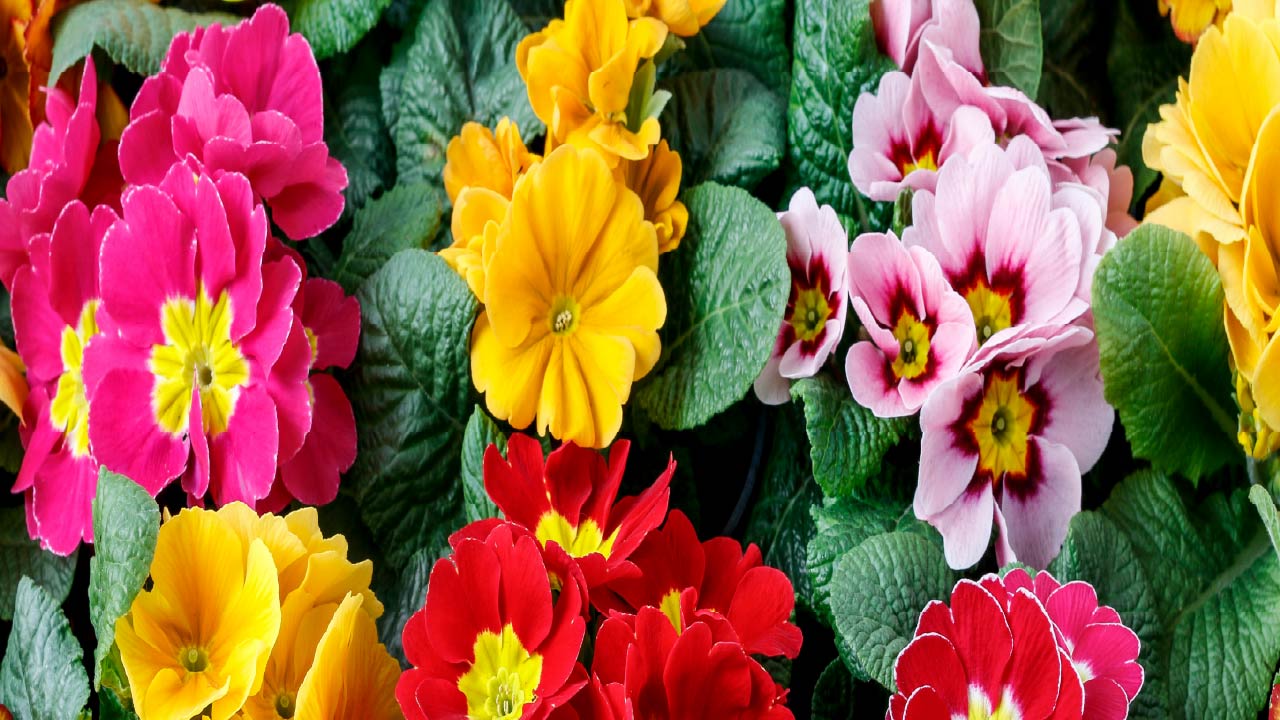
Primroses are a classic spring bloomer that offers a burst of exceptionally vivid color just as the winter chill begins to lift. With thousands of cultivars available, these charming perennials can fit into almost any semi-shaded or damp landscape design.
Primrose flowers feature a distinct, bright yellow eye at the center, surrounded by petals in brilliant shades of blue, crimson, sunshine yellow, violet, or pure white. Moreover, primroses thrive in cool summer climates. They require consistently damp, moisture-retentive soil.
Landscape Uses: Borders, woodland gardens, containers, shaded rock gardens, edges of garden ponds, and alpine beds.
Tips for Creating a Beautiful Shade Garden
- Shaded areas compete with tree roots for nutrients and moisture. Add compost, leaf mold, organic matter, and aged manure to improve soil quality.
- Water shade plants consistently with a water-efficient drip system. Many shade gardens are dry because nearby trees absorb large amounts of water.
- Don't plant these flowers in deep darkness because even shade-loving flowers need some light.
- Combine spring, summer, and fall bloomers to ensure year-round beauty in your garden.
- Combine flowering plants with ornamental grass, ferns, ground covers, and unique foliage plants to design a beautiful shade landscape.
The Bottom Line
Transform those tricky, shady spots of your yard into stunning areas with these shade-loving flowers. With proper plant selection, you can make shaded spaces as colorful and attractive as sunny flower beds. From the luxurious blooms of Bleeding Heart and Astilbe to the dramatic flowers of toad lily, these shade-loving flowers offer lots of color, texture, and blooming periods.
Choose plants with different leaf textures, plant heights, and unique colors to maximize the visual appeal of your shaded areas. Incorporate a mix of early-season, mid-summer, and fall-blooming shade-lovers so that your landscape remains a refreshing and deeply fascinating retreat all year long.