
7 Winter Tips Every Gardener Needs for Cold-Weather Composting
Jan 14th 2026
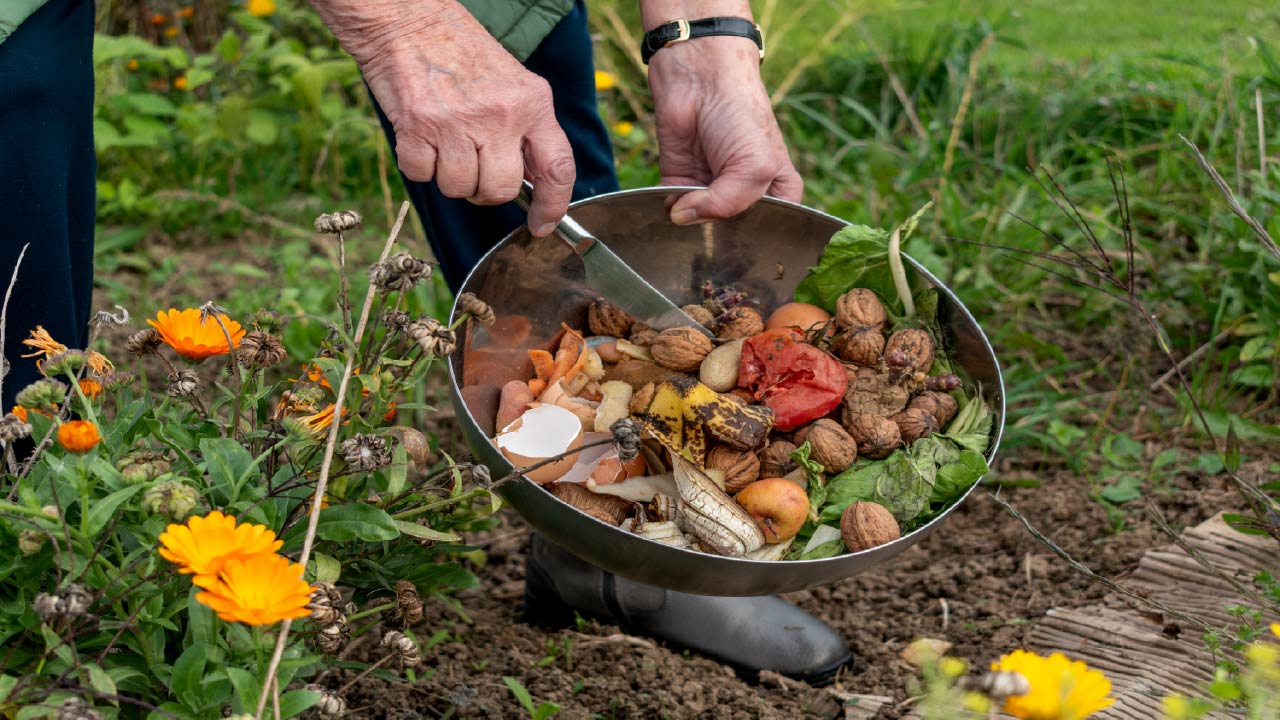
Cold weather and frost do not mean you have to halt your composting efforts. Composting in the chilly season is fun, and much easier than you might think. You can use simple methods to keep a compost pile working throughout the cold months. Compost is one of the best investments you can make for your garden. It converts kitchen waste into valuable, rich soil ideal for vegetables, shrubs, and trees. No matter which zone you live in, you can do winter composting, so anyone can turn those rotting apple peels and old leftovers into soil amendments for a winter garden.
Want to maintain a thriving compost pile that doesn't stop even when temperatures drop? Here are seven winter composting tips and secrets to keep your compost pile active so you can keep adding kitchen scraps, fall leaves, and plant debris.
1. Choose the Right Location
The most important secret for successful winter composting is to choose a warm, sheltered location for it. Just like bats love a warm, sheltered nook to roost, your compost microorganisms will also thrive in similar conditions. Find out where your strongest winter winds come from and place the compost pile on the opposite side of the house, shed, or garage. Put your compost bin or pile in the warmest spot of your garden. Try to place it near or against an exterior wall or other wind buffer where it'll be exposed to direct sunlight.
Sun exposure keeps the compost warm. If possible, place your compost pile near a thermal mass that absorbs heat during the day and releases it at night. This could involve using items like large boulders or black water barrels to absorb the sun's heat.
2. Making a Bigger Pile
A larger and bulkier compost pile retains heat more effectively than a smaller one. Combine many small piles to form one larger pile or add new waste materials to an existing pile. The larger size protects the inner parts because they are well insulated by the outer layers. You can use those fallen autumn leaves in the yard as they're an excellent resource for composters. Remove all spent annuals from your garden and trim the wilted leaves of the perennials.
This large pile will grow warmer than smaller ones during winter. Make sure it stays big by adding new materials and debris after the old waste decomposes. The decomposition of organic matter releases heat, warming the heap as it escapes as steam.
The ideal compost heap size is about three feet wide and tall. Feel free to increase the size to five or six feet during the winter so the pile retains heat instead of releasing it.
3. Balance Green with Browns
Decomposition issues in composting arise from improper ratios. Maintain a proper balance between green and brown waste materials, as compost requires 30 parts carbon and one part nitrogen by weight. Different materials contain more carbon or nitrogen, depending on their composition. "Greens" are nitrogen-rich plant materials like kitchen scraps, grass clippings, and weeds. "Browns" are carbon-rich dead materials like dead wood chips, leaves, straw, and paper products.
You can use a simple hack to layer the materials. For every shovel full of green materials, add two to three scoops of brown materials to compensate. This ensures a good balance that achieves the desired 30:1 carbon-to-nitrogen ratio by weight.
4. Monitor and Regulate Moisture Levels
This is a crucial step in winter composting. Regular moisture is essential for the success of winter composting, but excessive winter moisture drowns the decomposition microorganisms. You should regulate your pile to keep it 50-60% moist. This means that when you pick up some decomposing matter in your hand and squeeze, it will feel like a wrung sponge. If the moisture falls from the clump, your pile could be too wet.
Exposed compost is subject to rainfall, which turns a perfectly moist pipe into a soggy one. Fortunately, this is a solvable problem. The roof or tarp you used to insulate your pile will also keep excess precipitation from reaching your pile. All your "brown materials" also promote good drainage.
One of the many benefits of winter composting is that drying out is rarely an issue. However, if your area has extremely low humidity, you need to add moisture until the material feels like a wrung-out sponge. You can easily check moisture levels with a moisture meter without getting your hands dirty.
5. Turn Less Often
Frequent turning of hot compost piles aerates the pile, distributes heat evenly, and ensures that air flows regularly. It is still essential to turn piles during the cold months. However, you should do it less frequently to prevent heat loss. Turning releases pent-up heat in the form of steam. The steam will be carried away by a cold winter breeze instead of insulating your compost. In the winter, it is recommended to turn your compost pile no more than once a week. Turn cold mounds once a month during frosty months.
How to turn the pile? Turn your compost by using a pitchfork and inserting it into the bottom layers, then lifting the fork and turning them over. You need to shuffle all the decomposing organisms so they can breathe before looking for new food.
6. Insulate the Compost Pile for Cozy Winter
Compost generates its own heat, so it needs a little help to maintain this warmth during the coldest months of the year. If you have an open pile or basic heap, you can simply cover it up with insulating materials. Create a little roof or use a tarp (a dark-colored tarp increases solar gain). Cover the top of your pile with a thick layer of straw or leaves to trap heat instead. Surround your composter with materials such as leaves, straw bales, or even snow.
Simple walls made of fence or pallets and lined with straw or cardboard are also the best option to insulate the compost for a cozy winter.
7. Choose the Right Winter Composting System
An appropriate composting system is needed for successful winter composting when temperatures drop significantly, and decomposition slows down. Your choice will have a huge impact on how effectively organic matter decomposes during the colder months.
Vermicomposting System
Vermicomposting brings winter composting indoors. Choose stackable vertical trays that easily fit under kitchen sinks or in utility rooms. The Worm Factory is the perfect beginner's vermicomposting system. The stacking tray system is designed to easily convert your household leftovers into the richest, most nutrient-dense organic compost. This system allows you to do winter composting without worrying about limited space.
Compost Tumbler
If you're a small family, a compost tumbler is ideal for composting organic waste in winter. Toss in your vegetables, fruits, and grain scraps in this insulated composter, and in no time, you'll have nutrient-dense, black organic compost for your garden.
DIY Compost Pallet and Mesh Bin
There are several ways to compost; some of the easiest options are wood pallets or circular wire-mesh bins. These are easy to build and sturdy options. The Circular wire-mesh bin is great for making hot compost, since you can open it to turn. Any of these options will help you make a nutrient-rich compost for your garden.
The Bottom Line
Winter composting is a fun and rewarding way to become more in tune with the natural world during the season when everything is freezing. Although not much else happens during winter, you will enjoy the cool outdoors when you put on your garden gloves to tend your compost. Winter does not mean you have to stop one of the essential garden tasks, because it feels like such a waste to throw all those valuable food scraps into the trash instead of tossing them into your compost bin, tumbler, or heap.
If at first your compost pile doesn't work, try again. You'll be rewarded with an abundance of crumbly, well-rotted organic matter and a precious resource for your garden. Happy gardening!