Commercial-Grade Hose Thread Protection for Drip Systems
Protect your delicate drip irrigation components with the Senninger Low Flow Pressure Regulator (Hose Thread). Manufactured by Senninger—a global leader in irrigation pressure control—this robust unit is similar to their best-selling Lawn & Garden models but offers an expanded flow range of 0.5 to 8 Gallons Per Minute (GPM). It is engineered to safely drop high, fluctuating municipal water pressures down to a steady, reliable output. Featuring standard 3/4" Female Hose Thread (FHT) by Male Hose Thread (MHT) connections, it attaches effortlessly directly to your outdoor spigot, hose timer, or inline hose filter without the need for complicated PVC plumbing.
Built for exceptional longevity, the regulator's body is constructed from high-impact engineering-grade thermoplastic and features a rugged internal mechanism to guarantee that your downstream drip emitters, micro-sprays, and soaker lines receive the exact pressure they need. Available in 12, 20, and 30 PSI preset models, you can choose the precise pressure requirement tailored to your specific garden layout. Please note: This regulator is not rated for constant pressure and must be installed downstream of an automated timer or manual valve.
Why Choose the Senninger Low Flow Regulator?
- Prevents System Blowouts: Safely reduces harsh incoming water pressure (up to 110 PSI depending on the model) to protect your thin-walled tubing and emitters from rupturing.
- Expanded Flow Range: Reliably handles flow rates from 0.5 GPM up to 8 GPM (30 to 480 GPH), accommodating larger residential zones and raised bed layouts.
- Standard Hose Threads: Designed with FHT x MHT connections for instant, watertight compatibility with standard garden hoses and residential spigots.
- Maintains Uniformity: Ensures that your entire drip zone operates at the exact manufacturer-specified flow rates without pressure-induced fluctuations.
- Commercial Durability: Backed by Senninger's world-renowned engineering, built to survive harsh outdoor environments.
Technical Specifications & Models
Detailed specifications for system planning.
| Specification |
Details |
| Product Type |
Hose Thread Pressure Regulator (Low Flow) |
| Inlet / Outlet Size |
3/4" Female Hose Thread (FHT) x 3/4" Male Hose Thread (MHT) |
| Required Flow Range |
0.5 to 8 Gallons Per Minute (GPM) / 30 to 480 GPH |
| Body Material |
High-Impact Thermoplastic |
| Constant Pressure Rated |
No (Must be installed after valves or timers) |
| Brand |
Senninger |
Senninger PRSLHH Model Chart
| Part # |
Regulated Output Pressure |
Maximum Inlet Pressure |
Flow Range |
| PRSLHH12 |
12 PSI |
90 PSI |
0.5 - 8 GPM |
| PRSLHH20 |
20 PSI |
100 PSI |
0.5 - 8 GPM |
| PRSLHH30 |
30 PSI |
110 PSI |
0.5 - 8 GPM |
How to Set Up: A Step-by-Step Guide
Build your hose-threaded drip irrigation head assembly safely.
Step 1: Install Your Timer
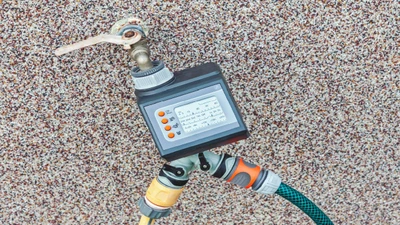
Attach your hose-end water timer directly to your outdoor water spigot.
Step 2: Add an Irrigation Filter
Thread a hose-threaded screen filter onto the outlet of your timer to protect the internal diaphragm of the pressure regulator (and your downstream emitters) from sand and debris.
Step 3: Attach the Pressure Regulator
Thread the Female Hose Thread (FHT) inlet of the Senninger regulator directly onto the filter. Ensure the internal washer is present, and hand-tighten firmly to create a watertight seal. Do not use Teflon tape on hose threads.
Step 4: Transition to Tubing
Thread a standard hose-to-pipe adapter (like a Female Hose Thread to 1/2" Easy Loc fitting) onto the Male Hose Thread (MHT) outlet of the regulator to connect your poly mainline.
Frequently Asked Questions
Which PSI model do I need for my garden?
Your choice depends entirely on the type of downstream tubing you are using. The 12 PSI model (PRSLHH12) is designed specifically for thin-walled Drip Tape, which will rupture at higher pressures.
The 20 and 30 PSI models are standard for traditional 1/2" poly tubing, standard punch-in drip emitters, and micro-sprinklers. (30 PSI is the most common industry standard for standard drip systems).
What happens if my flow is less than 0.5 GPM?
Pressure regulators require a certain volume of water passing through them to accurately engage the internal diaphragm. If your zone draws less than 0.5 Gallons Per Minute (30 GPH), the regulator will not function properly.
In extremely low-flow scenarios, the pressure will not drop accurately, potentially allowing dangerously high pressure into your drip lines. Ensure your zone utilizes enough emitters to meet this minimum.
Can I leave this regulator under constant pressure?
No, Senninger hose-thread pressure regulators are not rated for constant pressure. They must be installed after an automated timer or manual valve so they only hold pressure when the system is actively watering.
Installing them upstream of a closed valve leaves the plastic housing pressurized 24/7, which can eventually cause it to stress, crack, or leak.
How should I prepare my Senninger pressure regulator for winter?
Before winter arrives, you must unscrew the regulator from your outdoor spigot and store it indoors to prevent freeze damage to the internal mechanisms and housing.
When reinstalling in the spring, inspect the internal rubber hose washer to ensure it hasn't dried out or cracked. Replace the washer if necessary before hand-tightening it back onto your system.
✔ Compatibility & Design Check
Please note the strict requirements for this residential unit:
- Thread Type: Features 3/4" Hose Threads (FHT/MHT). Do not attempt to thread this onto PVC Pipe Threads (NPT). Do not use Teflon tape on hose threads; the internal washer creates the seal.
- Flow Limits: Your irrigation zone must draw a minimum of 0.5 GPM and a maximum of 8 GPM for this unit to regulate pressure accurately.
- Not for Constant Pressure: Must be placed downstream of automated timers or manual shut-off valves.
Complete Your System
Ensure your hose-threaded head assembly is protected and ready to run with these recommended products:
- Hose Thread Timers: Install this regulator downstream of a reliable battery-operated timer for fully automated watering.
- Hose Thread Filters: It is crucial to install a screen filter upstream of the regulator to keep sand and sediment from damaging the internal mechanism.
- Hose to Tubing Adapters: Browse our selection of adapters to seamlessly transition from the regulator's male hose threads directly into your 1/2" or 3/4" poly mainline tubing.
- 1/2" Mainline Tubing: The standard backbone for delivering clean, regulated water from your spigot directly to your garden beds.
Downloads
Relevant Tips & Guides