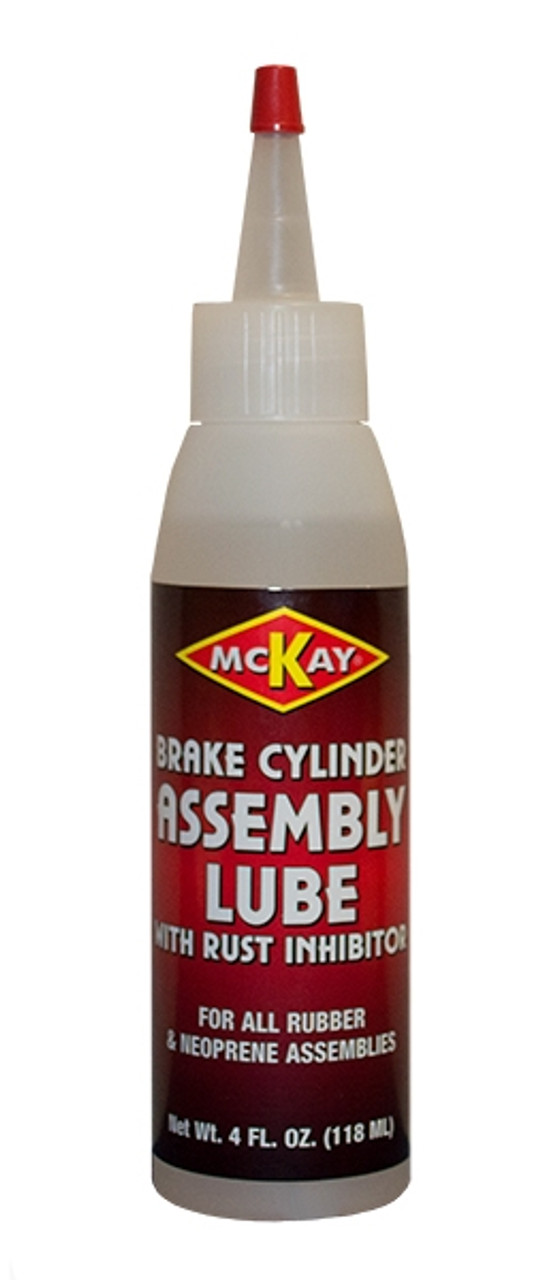
Prevent Dry, Cracked Seals with Hose Washer & O-Ring Lubricant
This 4 oz. bottle of Hose Washer and O-Ring Lubricant is a simple, inexpensive way to protect the rubber seals throughout your drip irrigation system. Applying a thin layer to hose washers and o-rings helps them create a tighter, watertight seal while preventing the rubber from drying out, cracking, or losing its shape over time — a common cause of slow drips and leaky connections at hose thread fittings, manifold swivels, and filter canisters.
Formulated for use on synthetic rubber and neoprene parts, this lubricant is best applied during routine seasonal maintenance: before storing components for winter, or when reassembling your filter and head assembly each spring. A little goes a long way, and keeping a bottle on hand makes it easy to extend the life of every rubber seal in your system.
Why Use Hose Washer and O-Ring Lubricant?
- Creates a Tighter Seal: A thin coat helps hose washers and o-rings compress evenly against fittings, reducing the chance of drips at threaded connections.
- Prevents Cracking: Keeps rubber and neoprene seals supple, protecting against the drying and cracking that leads to leaks over time.
- Extends Component Life: Lubricated washers and o-rings resist wear, so you replace them less often.
- Easy to Apply: A small, convenient 4 oz. bottle makes it simple to lubricate seals during routine filter cleaning or seasonal system maintenance.
Technical Specifications
Detailed specifications for reference.
| Specification |
Details |
| Product Type |
Hose Washer & O-Ring Lubricant |
| Size |
4 oz. bottle |
| Best Used On |
Rubber and neoprene hose washers, o-rings, seals, and gaskets |
| SKU |
HLUBE |
| UPC |
076768506009 |
Frequently Asked Questions
How do I apply this lubricant?
Apply a thin, even layer directly to the hose washer or o-ring before reinstalling it.
Only a small amount is needed — wipe away any excess so it doesn't attract dirt or debris at the connection point.
When should I lubricate my washers and o-rings?
Lubricate seals whenever you remove them for inspection, such as during spring startup, winterization, or filter cleaning.
If a seal looks dry, stiff, or is slow to seat properly, that's a good sign it's time for a fresh coat.
Will this stop an active leak?
This lubricant helps maintain a good seal on washers and o-rings that are still in usable condition, but it will not fix a washer or o-ring that is already cracked, flattened, or damaged.
If a seal is visibly worn out, replace it with a new hose washer or o-ring rather than relying on lubricant alone.
Complete Your System
Pair this lubricant with fresh seals for a leak-free connection:
- Hose Washer: Keep spares on hand to replace any washer that's too worn to seal, even with lubricant.
- Manifold Swivel O-Ring: A direct replacement o-ring for 1" manifold fittings, ready to be lubricated before installation.
- Home Garden Screen Filters: Lubricate the internal o-ring and washer during routine filter cleaning to help maintain a watertight canister seal.
- Winterization Supplies: Lubricate seals before storing components for the season to prevent them from drying out over winter.
Relevant Tips & Guides