
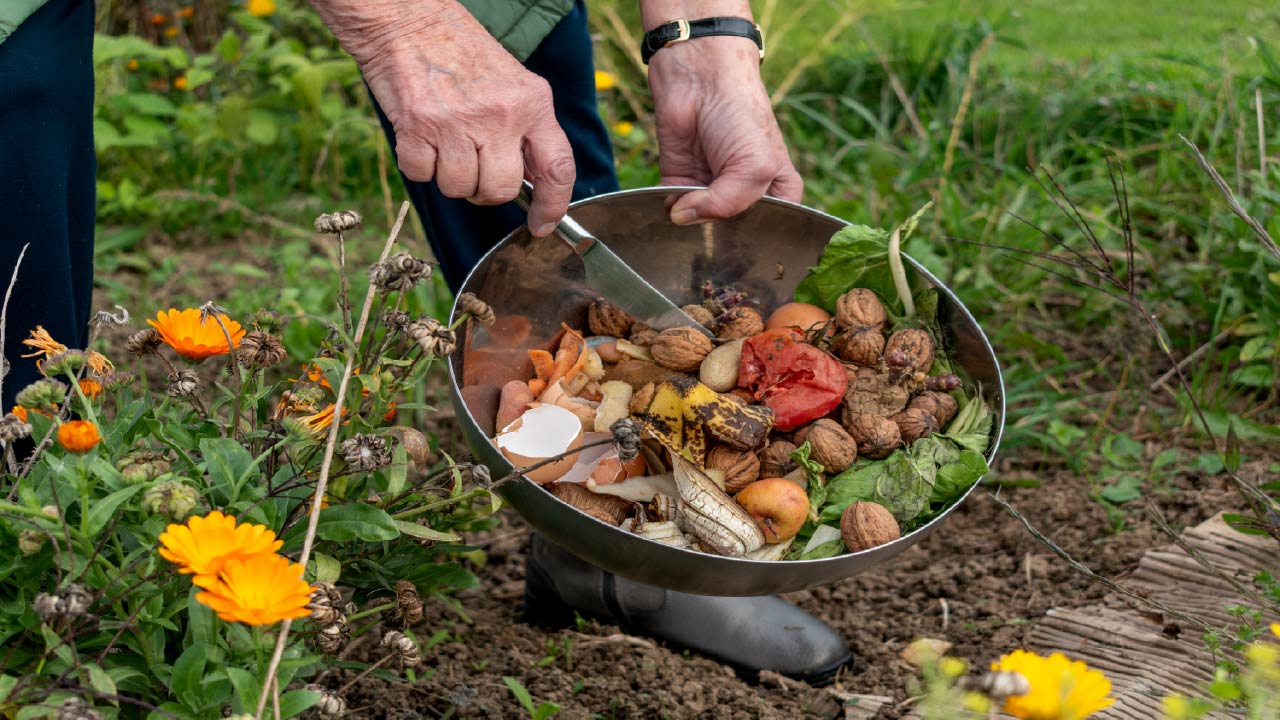
Trench Composting: What Happens When You Bury Kitchen Scraps
Aug 13th 2026
Trench composting is one of the oldest and simplest ways to turn your kitchen waste into garden gold. This composting method is making a comeback among home gardeners who want amazing gardening results without the fuss. If you're a newbie to composting, then this is the perfect method for you.
Traditional composting requires a bin, constant turning, precise brown-to-green ratios, moisture management, considerable care, and waiting months for finished compost. However, trench composting lets the soil do the heavy lifting. You dig a hole, bury your kitchen scraps, cover them with soil, and walk away. No need to turn, no odor, no rodents pawing through your pile. Just soil doing what soil does best.
Let's explore in detail what trench composting is, how it works beneath the soil, the different methods you can try, and everything else you should know about this rewarding composting technique.
What Is Trench Composting?
Trench composting is a method in which organic kitchen scraps, yard trimmings, and plant materials are buried directly in the soil rather than placed in a compost bin or pile.
The concept of trench composting is beautifully simple: you dig, you bury the kitchen scraps, you cover it. Earthworms and soil microbes break down the material underground, where its nutrients become available to the next crop you plant. Rather than decomposing materials above ground, nature performs the entire composting process underground.
Unlike traditional compost piles that decompose in a compost bin or pile, trench composting buries the material under at least 8 to 12 inches of soil. It is one of the simplest methods of handling food waste and transforming it into beneficial organic matter.
What Happens When You Bury Kitchen Scraps?
When you bury fruit peels, coffee grounds, and vegetable ends underground, you're creating a mini ecosystem beneath the soil surface, and an incredible biological process begins within hours. Here is what happens underground after you bury your scraps.
Soil Holds in Moisture
Moisture retention starts immediately. Soil holds moisture far better than an open compost pile, so buried scraps stay consistently damp, which helps in decomposition.
Soil Microorganisms Arrive
This is the start of composting. Within hours, billions of microbes get to work, feeding on the fresh organic material.
These bacteria break down sugars quickly, digest proteins, and start softening plant tissues.
Earthworms Move In
Earthworms are the biggest helpers in trench composting. Worms are drawn to decomposing organic matter and will move toward a buried scrap trench. They pull decomposing material deeper into the soil, produce nutrient-rich worm castings, and naturally mix compost with the surrounding soil.
Scraps Stay at a Stable Temperature
Temperature underground stays more stable. Unlike an above-ground compost pile that can overheat in summer or freeze solid in winter, buried material is insulated by the surrounding soil, allowing decomposition to continue at a steadier pace.
Soil Becomes Nutrient-rich
Then, nutrients leach directly into the surrounding soil. As scraps break down, nitrogen, potassium, phosphorus, and trace minerals spread into the soil around the trench. They feed directly to nearby plant roots directly rather than requiring you to transport finished compost later.
Organic Matter Becomes Humus
Within a few weeks to a few months, most food scraps will have broken down significantly and disappear, leaving behind darker, richer, crumbly organic matter known as humus. Humus improves overall soil quality by retaining moisture, improving drainage, supporting beneficial microbes, and reducing soil compaction.
Discover Best Summer Vegetable Varieties to Grow in 2026
Why Gardeners Are Turning to Trench Composting
Trench composting solves several problems and offers several advantages over traditional composting methods. Let's look at the reasons encouraging gardeners to try this new composting method.
It is Odor-free
Kitchen scraps are buried under several inches of soil, so there's no smell flowing through your backyard. This is a big win if you live close to neighbors or just don't want unpleasant smells from your compost bin in your outdoor space.
Keeps Pests Away
Properly buried scraps are much less likely to attract rats, raccoons, dogs, and other rodents and squirrels. They are far less likely to dig through solid ground than to intrude on an open bin. The soil acts as a natural barrier.
Almost Zero Maintenance
Trench composting requires no turning with a pitchfork, no monitoring carbon-to-nitrogen ratios, and no worrying about the pile getting too wet or too dry.
Nutrients Go Right Where Plants Need Them
It improves soil exactly where you need it. Rather than shifting finished compost from a bin to your garden bed, you can apply nutrients directly into the ground where your plants are growing or will grow next season.
Low cost
All you need is a trowel for trench composting. No bin, no tumbler, no specialty tool is required.
Works Well in Small Spaces
Gardeners with small spaces often don't have room for large compost piles. If you're one of them, you can still trench compost in a garden bed, raised bed, or container.
Reduces Household Food Waste
Many kitchen scraps that would end up in landfills can instead nourish your garden. You can recycle your kitchen and garden waste into something beneficial for your soil and plants.
Methods of Trench Composting
There isn't just one way to trench compost. There are several techniques you can choose depending on your available space, garden layout, and planting schedule
1. Traditional Compost Trench Method
This is the classic technique that works well for future rows of vegetables. Go for it when you're preparing a garden bed for next season and have time for it to break down before planting.
Steps
- Dig a trench 12–18 inches deep in an unused section of your garden.
- Make it 8–12 inches wide.
- Add a 2- 4-inch layer of kitchen scraps.
- Cover with the soil you removed and tamp it down gently.
- Mark the location.
- Leave it alone for a few weeks to a few months before planting in that spot.
- Plant there after decomposition.
2. Deep Hole Composting Method
This is perfect for gardeners who want something quick and low effort. The hole composting method is ideal for small gardens, metal raised beds, and flower beds.
Steps
- Instead of a long trench, dig small holes around existing plants or in open garden space.
- Fill each hole with scraps.
- Cover and repeat in a new spot next time.
3. The Row Rotation Method
This is the most organized trench-composting approach, ideal for fixed garden plots or raised beds. Divide your garden bed into three equal zones: Many vegetable gardener's alternate rows.
- Zone A: Compost Trench where kitchen scraps are actively buried.
- Zone B: Walking path between rows.
- Zone C: Active planting rows for tomatoes, peppers, or squash.
Every season, you rotate the rows.
Year 1: Bury waste in Zone A, walk on Zone B, grow crops in Zone C.
Year 2: Move the crop row to Zone A, which is rich, fully composted soil, walk on Zone C, and bury organic waste in Zone B.
Year 3: Plant in Zone B, walk on Zone A, and bury scraps in Zone C.
By Year 4, your entire garden bed has received deep organic enrichment. This process continuously feeds garden soil.
4. Circular Trench Around Plants
This method is used mostly for fruit trees, shrubs, and established plants like tomatoes and squash.
Steps
- Dig a circular trench about 6–8 inches from the base of the plant.
- Add scraps and cover with soil.
- The plant's roots will grow toward the decomposing material over time. Kitchen scraps slowly feed roots, bushes, and shrubs.
What Kitchen Scraps Can You Bury?
Here are excellent household scraps you should bury for trench composting.
- Fruit and vegetable scraps.
- Coffee grounds and filters.
- Tea leaves, loose tea, and compostable tea bags.
- Crushed eggshells.
- Bread and grains.
- Small amounts of shredded paper or cardboard pieces.
- Grass clippings, wilted flowers, and dead leaves.
What Scraps to Avoid Burying
- Meat, bones, and dairy products. These attract pests and decompose more slowly, producing stronger odors that can seep upward
- Oily or greasy foods.
- Diseased plant material, which can spread pathogens back into your soil.
- Pet waste, which can carry bacteria harmful to edible plants.
- Large branches or wood material, which take too long to decompose.
How Deep Should You Bury Kitchen Scraps?
The depth of trench composting matters a lot. Bury scraps too shallow, and you risk odor, pests digging them up, or exposure during rain. Burying too deep, and decomposition slows significantly due to lack of oxygen and cooler soil temperatures.
- 8–12 inches is the ideal spot for most kitchen scraps.
- 12–18 inches works well in areas with determined digging animals like dogs or raccoons.
- Always cover with at least 6-8 inches of soil on top of the buried material to keep smells contained and discourage digging.
How Long Does Trench Composting Take?
The decomposition process depends on soil temperature, moisture, soil ecosystem, scrap size, and soil health. However, the average times are:
- Warm summer soil: 2 to 4 months
- Mild climates: 4 to 6 months
- Cold climates: 6 to 12 months
Where to Use Trench Composting?
This method is ideal in many parts of the landscape, such as raised beds, vegetable gardens, future planting rows, berry patches, fruit trees, and native plant gardens.
Does Trench Composting Work in Raised Beds?
Yes. Metal raised beds benefit even more from trench composting because organic matter improves both fertility and water retention.
Tips for composting in raised beds:
- Use smaller compost holes instead of long trenches.
- Rotate burial spots.
- Leave several inches between buried scraps and plant roots.
- Cover scraps thoroughly.
Can you Plant Directly over Trench Compost?
It is recommended to wait 6 to 8 weeks before planting for nitrogen to stabilize. Planting too soon risks nitrogen burn on roots from the active decomposition process.
Best Times of Year to Trench Compost
Trench composting can be done year-round, but timing can affect how quickly materials break down.
- Fall is ideal for composting and preparing beds. Bury scraps after summer harvest, and by spring planting time, the trench has had enough months to fully decompose. You'll have healthier soil for new plantings.
- Spring works well for feeding beds before you plant. You can use the basic trench method a few weeks ahead of sowing.
- Summer is best suited to the circular method to feed actively growing plants in real time.
- Winter decomposition slows in cold climates because microbial activity drops off below a certain soil temperature. However, you can bury them and keep scraps out of the trash, giving them a head start once the ground thaws.
The Bottom Line
Trench composting proves that you can create healthier soil by burying your fruit peels, vegetable scraps, coffee grounds, and other compostable kitchen waste. There's no pile to manage, no smell, and no tool needed beyond a trowel and a little patience. This is an easy, low-maintenance way to recycle household food waste while enriching your soil exactly where plants need it most. Over time, soil microbes, fungi, and earthworms transform those scraps into nutrient-rich organic matter that improves soil structure, boosts moisture retention, and promotes healthier plant growth.