
Top 5 Sprinkler System Components for Efficient Irrigation
Apr 20th 2026
A well-designed sprinkler irrigation system can transform the way you water your lawn and garden. Instead of dragging hoses around or worrying about uneven watering, a properly installed system delivers the right amount of water exactly where it's needed. But it is essential to understand the key components of the system and their roles for successfully installing and maintaining it. Once you know what each component does, you'll be better equipped to troubleshoot problems and keep your system in good working order. This will result in an efficient irrigation system that saves time, reduces water waste, and produces healthier plants.
In this irrigation guide, we'll explore the top 5 components of a sprinkler system in depth, explain how each part works, and help you understand why they are crucial for smart watering.
Why Understanding Your Sprinkler System Components Matters
A sprinkler system is a valuable investment, so understanding its components is important for gardeners or landscapers. When you understand how each component works, you get the ability to:
- Identify problems quickly.
- Perform basic maintenance.
- Handle minor fixes yourself.
- Spot overwatering or poor coverage.
- Extend your system lifespan.
- Reduce repair costs.
- Provide uniform water distribution.
1. Sprinkler Heads
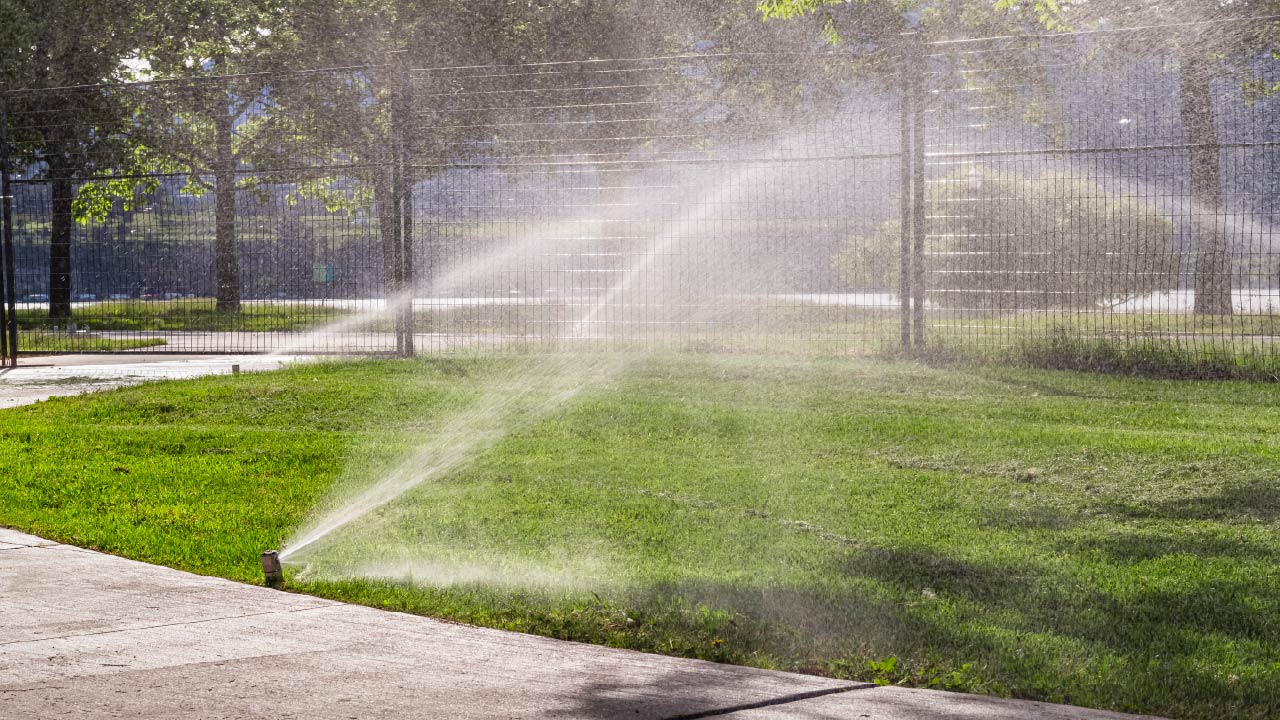
Sprinkler heads are the most visible component of any sprinkler irrigation system. This is the component that applies water to the plant. Sprinkler heads are devices that distribute water across your lawn or garden in a controlled pattern over a designated area. They are designed to deliver water evenly, preventing dry spots.
There are different types of sprinkler heads, and each has specific functions. They can be sprays or rotors and are chosen based on the area to be irrigated. They have to be positioned around the lawn to fully cover the entire area.
Rotors vs Spray Heads
Understanding the difference between rotors and sprays will help you choose the right tool for your landscape.
Rotors use a rotating stream of water to cover distances of 25 to 65 feet. They are much more efficient for large lawns and windy spots because the water is applied more slowly, allowing the soil time to soak it up. You'll often see them in lawns where you need broad coverage across wide spaces.
These sprinklers deliver water in fixed spray patterns, providing precise watering in beds or smaller areas. They're perfect for flower beds, small lawns, shrubs, or where control over the spray pattern is desired.
Maintenance Tips for Sprinkler Heads
- Clean clogged nozzles regularly.
- Adjust spray direction seasonally.
- Replace damaged heads immediately.
- Check for leaks or blockages.
- Ensure proper alignment.
2. Valves
Valves are the traffic controllers of a sprinkler irrigation system. They regulate water flow to different irrigation zones and ensure each area receives the correct amount of water.
How They Work
Valves in the sprinkler system open and close to allow water to flow through specific areas of the irrigation system. They are typically installed underground and connected to the irrigation controller. Each valve controls a specific irrigation zone. They allow you to divide your irrigation system into multiple zones. Valves help
- Water different areas separately
- Prevent overwatering
- Improve efficiency
- Automate irrigation
Irrigation Valve Type
Electric Solenoid Valves
Most residential sprinkler systems use electric solenoid valves that respond to signals from your controller. Each valve is connected to the controller by a low-voltage wire. When the controller orders "water zone three," the valve for zone three opens, while all others remain closed. This lets you water your lawn differently from your flower beds, or your front yard differently than your backyard.
3. Pipes and Fittings
Pipes and fittings are the foundation of a sprinkler system. Pipes transport water from the main source to the sprinkler heads and to all the parts of the lawn. The pipes connect the valves, and the valves are connected to the sprinkler heads. This infrastructure must be durable enough to withstand constant pressure, ground shifts, and seasonal temperature changes.
Choosing the Right Pipe
Here are the common types of pipes used to connect sprinkler heads.
- PVC (Polyvinyl Chloride): This is the most common choice for warm climates. PVC pipe is rigid, lightweight, affordable, strong, and joined using solvent cement (glue). They are the most widely used in sprinkler systems.
- Funny Pipe/Swing Pipe: It is a flexible tubing often used for the final "swing joint" connection to a sprinkler head. Its flexibility prevents the main PVC line from cracking if a heavy mower or vehicle drives over it. It features a flexible design, is resistant to cracking, and is ideal for uneven terrain.
- HDPE: HDPE pipes are used in larger irrigation systems. They are more durable and stronger than PVC. Also, they are leak-resistant and suitable for high pressure.
Fittings
Fittings are connectors that allow you to join pipes and other components of the irrigation system to navigate the landscape. Fittings include elbows, tees, and couplings. To create secure connections and prevent leaks, they must be high-quality and watertight. Also, always ensure your fittings match the pressure rating of your pipe.
Maintenance Tips for Pipes and Fittings
- Inspect pipes occasionally for leaks.
- Check fitting connections regularly.
- Repair cracks immediately.
- Protect pipes from freezing weather conditions.
4. Backflow Preventer
It is a critical safety component in a sprinkler system. A backflow preventer is a device that ensures irrigation water, which can contain fertilizers, and pesticides, never flows backward into your home's drinking water. Backflow preventers safeguard your drinking water by preventing backflow, which occurs when:
- Water pressure drops
- Pipes burst
- Pumps fail
- System pressure changes
Backflow preventers come in different types, ranging from simple vacuum breakers to advanced reduced-pressure assemblies. However, all must meet local codes and require professional installation and testing. Once installed, they work silently in the background to keep your water safe.
Types of Backflow Devices
- Pressure Vacuum Breaker (PVB): This is the most durable and most commonly used type for residential sprinkler systems, offering strong backflow protection. It must be installed at least 12 inches higher than the highest sprinkler head in the yard.
- Reduced Pressure Zone (RPZ): This type is the "Gold Standard." It is used in high-risk areas or in very hilly terrain. It is used in commercial systems and offers the highest level of protection.
- Double Check Valve: Often used in areas where the device needs to be buried to prevent freezing damage.
Why Install Backflow Preventers
Backflow preventers protect both you and your environment.
They help:
- Prevent water contamination
- Maintain water safety
- Meet regulatory requirements
- Protect public health
- Ensure system reliability
5. Irrigation Controller or Timer
The controller, also called a timer, is the "brain" of the irrigation system. This electronic device dictates when each zone should run, how long to water, when to rest, and how often water is applied. It automates the operation of sprinkler valves and controls when to turn them on or off.
Without a high-quality controller, you risk overwatering and underwatering your landscape. Overwatering leads to root rot and wasted money, while underwatering leaves your landscape vulnerable to heat stress and pests.
Modern controllers do so much more than automate. They adjust watering for seasons, weather, and plant needs. Certain highly advanced timers have moisture sensors that automatically determine when to switch off the system and even suspend the scheduled watering.
Why is an Irrigation Controller Essential
The irrigation controller ensures your plants receive efficient, consistent watering, even when you're away.
It helps:
- Save water
- Reduce utility costs
- Improve plant health
- Automate irrigation
- Prevent overwatering
Landscaper Tip: Don't "set it and forget it." A common mistake homeowners make is leaving the spring watering schedule active during the heat of July. Check your controller settings monthly to ensure the run times match the current weather conditions and your plants' watering needs.
Wrapping up: Your sprinkler system works as a team: controllers signal valves, valves direct water through pipes, and sprinkler heads deliver it to your plants, while the backflow preventer keeps your home water supply safe.
Read More:Sprinkler System Spring Startup: How to Prepare Your Irrigation System for the Season
What to Consider for Choosing High-Quality Sprinkler Irrigation Components?
Now you know which are the five key components of the sprinkler system. But it is also crucial to buy high-quality components for long-term system performance and reliability. Before selecting the components, consider your system size, soil type, water pressure, plant requirements, material durability, brand, and your budget.
Top 10 Frequently Asked Questions About Sprinkler Irrigation Systems
The Bottom Line
A successful irrigation system involves these components working together to deliver water efficiently. When you invest in a smart controller, protect your drinking water with a backflow preventer, manage zones with control valves, transport water through durable piping, and distribute it via efficient sprinklers, you create a landscape that thrives. Understanding each component will help you to conserve water, save money, and keep your yard healthy.
Invest in quality components because using the right products is required to allow your system to work at its best and your plants to grow lush and healthy. At DripWorks Irrigation store, you can get all kinds of irrigation system-related solutions and components. Visit the store today to find the best sprinkler and drip irrigation components for your watering needs.