
The Top January Gardening Tasks for the Pacific Northwest
Jan 15th 2026
Gardening in your Pacific Northwest garden during January may appear challenging due to the region's usual cold and wet weather. The persistent drizzle and chilly temperatures might not seem like "garden time," but now is the ideal time to start planning and preparing for the upcoming growing season. January is a great month to prepare your garden for the gardening season ahead and enjoy a healthy, vibrant garden in the months to come. Gardeners can be productive at this time of year if they plan carefully and pay attention to seasonal needs.
Here's a list of January garden tasks for fruits, vegetables, herbs, flowers, and general garden chores to give you a head start on spring. So, if you're in the wet and wild Pacific Northwest, here is what to do in the garden in January.
1. Inventory Your Garden Seeds
If you have not already decided which varieties of flower and vegetable seeds you'll be sowing this year, this is the time to choose and order your garden seeds. Inventory your seeds before you start sowing to ensure you have the best seeds. Old or poorly stored seeds have very low germination rates. Therefore, look for the packaging date on the seed pack and compare it to how old your seeds are. Generally, if seeds are older than 3 or 4 years, it's best to buy new seeds.
Look at your last year's gardening journal and pictures of your garden to see which varieties worked and what you want to grow again this year in your garden.
2. Start Seeds Indoors
January is the month to prepare your seed trays, indoor growing lights, and other supplies. You can sow some early winter crops indoors, such as cabbage, beets, broccoli, arugula, oregano, rosemary, lettuce, kale, celery, and mustard. In early February, you can start sowing summer crops like tomatoes, eggplant, and peppers.
In January, prepare your indoor space and greenhouse to sow seeds. Clean your greenhouse, garden tools, seed trays, and pots you will use to grow seeds. Check your region's average last frost date to find the best time to sow seeds.
3. Test Your Garden Soil
Another important thing to do in your Pacific Northwest garden in the month of January is to test your garden soil. The soil test determines which nutrients it lacks and which amendments it may need before spring planting. You can test your soil yourself with a soil test kit or have it tested by a specialty lab in your area. Once you have the results and have an idea of the soil composition, add fertilizers and soil amendments accordingly.
Additionally, add organic matter to the garden area to improve water retention, reduce weed growth, and provide essential nutrients for plant growth. Even if you add compost to the soil every year in late fall or early winter, it is still a good idea to do a soil test to see what nutrients are missing.
4. Plant Bare-Root Shrubs and Trees
If you want to plant fruit trees or shade trees, January is the time to do it. However, it's important to plant bare-root trees before they emerge from dormancy. Planting trees in late winter is beneficial because there is additional moisture from rain.
Moreover, plant evergreen shrubs, winter-berried shrubs, and winter-interest shrubs to add color and texture to your winter landscape. Heather and Hellebore are among the best shrubs for winter interest. They will add a much-needed gorgeous bloom of color to your Pacific Northwest garden this January.
Also Read:Designing a Winter Sensory Garden: Colors, Aromas, Sounds, and Textures
5. Prune Fruit Trees
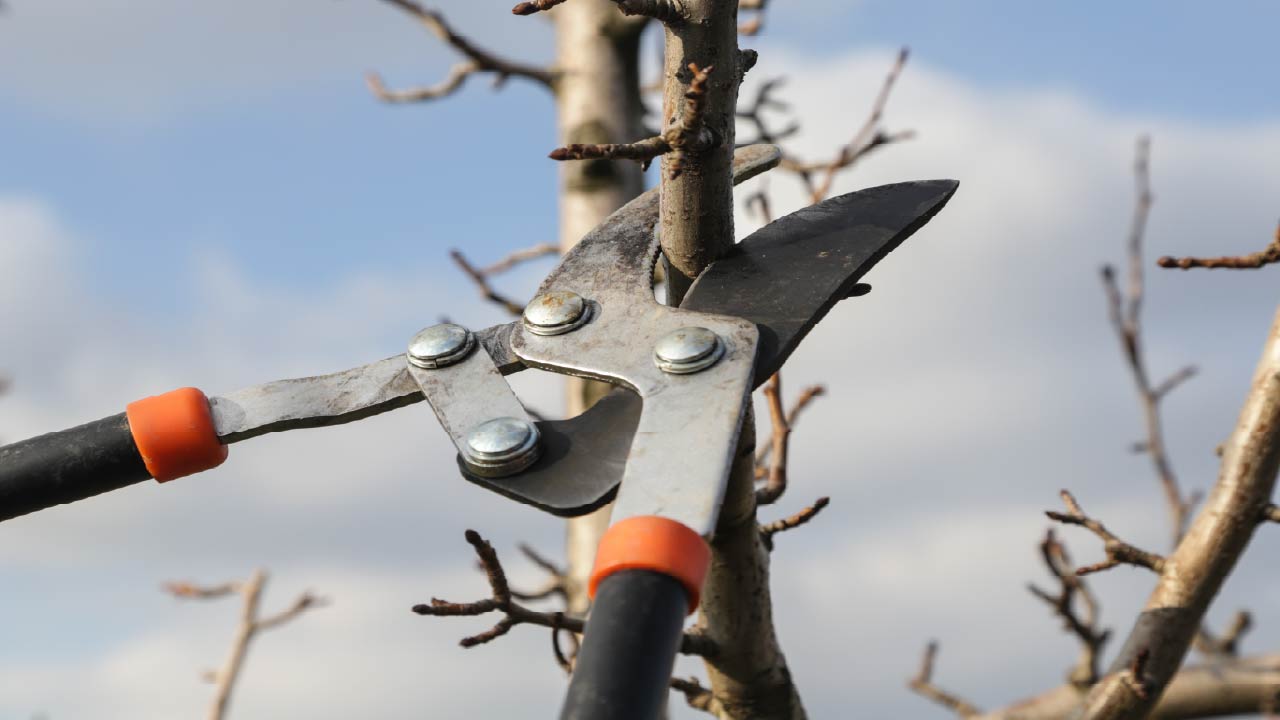
Prune fruit trees, bushes, deciduous trees, and vines in January while they are in their dormant period. You may leave cherry, plum, and apricot trees unpruned until summer to prevent silver leaf infections. If you haven't already, prune out old growth from raspberries, blackberries, blueberries, gooseberries, blackcurrant bushes, and red currants. It is always important to use sharp, clean, and high-quality pruners.
Remove dead, diseased, and damaged branches to promote healthy growth upon the arrival of spring. Pruning can improve air circulation in a plant's canopy and help shape plants, reducing the risk of diseases.
6. Build a Raised Bed Garden
Raised garden beds are one of the best and most modern ways to grow your own food successfully. These elevated beds let you control the quality of the soil in each one. This control will ensure that every bed has the right amount of water, nutrients, and drainage for your favorite crops. They offer many other benefits, such as better drainage, easier access, fewer weeds, healthier plants, and greater yields.
If you're considering creating a raised garden, build your beds now so they're ready for spring, when it's time to sow or transplant your crops. If you're looking to buy the best raised beds in a variety of sizes and shapes at the most affordable prices, check out DripWorks' wide range of stylish raised beds. You'll get the one that aligns with your garden style, space, and budget.
Tip: Water your raised bed crops with a smart raised garden drip irrigation system to ensure every plant receives the optimal amount of water without waste.
Also Read:10 Plants You Can Winter Sow in Raised Garden Beds
7. Protect Outdoor Plants from Cold
If you've planted cold-weather crops like onions, garlic, or kale, a cover can protect crops from freezing temperatures and keep the soil warm. You can use protective covers and structures, such as lightweight floating row covers, cold frames, greenhouses, or tunnels.
Covering your plants and raised beds in winter is a smart decision here in the Pacific Northwest to protect your crops from harsh weather. The region's mild, wet winters can cause issues like soil erosion, nutrient leaching, and weed growth, which you can reduce by covering your beds.
Another way to keep the soil temperature stable is to add a thick layer of mulch to your garden beds. Mulch will insulate the soil and protect it from freeze damage.
Read More:Essential Tips for Preparing Vegetable Gardens for Cold Weather
8. Update Your Garden Structures, Lighting, and Containers
Containers, sculptures, outdoor lighting, and other garden ornaments bring additional charm to your landscape during the winter months. They also need some TLC. Take a stroll through your garden or spend some time observing it from indoors.
Look for garden features that need updating or garden areas you feel should be celebrated. Entryways, patios, dining areas, firepit areas, pathways, and garden benches are examples of areas that would benefit from the addition of stunning container arrangements, garden lighting, or arbors.
Brighten up your pathways with path lights, add magical charm to your outdoor area with LED patio string lights, and light up your stairs with step lights. If you have densely planted garden beds, consider installing a trellis or any garden art to add architectural interest.
9. Maintain Your Garden Tools
Another important task on our January gardening checklist is to take stock of your garden tools, make any necessary maintenance, and update as needed. January is a month to clean and sharpen your garden tools, including pruners, shears, loppers, and other cutting tools. They must be in excellent working condition for the busy spring season. If any tool is damaged or missing, it is time to replace them.
10. Deal with Garden Pests
January is not an odd time to think about pests; instead, it is one of the best months to be ready for potential problems. Many garden pests overwinter in soil, plant debris, or even on your plants, so a little care now can save you trouble in the spring.
- Inspect your plants and trees for any signs of overwintering pests like spider mites, aphid eggs, or scale insects.
- Remove the infected parts of the plant and discard them to prevent re-infestation. Never add the diseased parts to your compost pile.
- Use dormant oil sprays to suffocate overwintering pests like aphids, mites, and scale on fruit trees and ornamental shrubs.
- Dead fallen autumn leaves, fallen fruit, and other garden debris can harbor pests and their eggs. Rake and remove garden debris to reduce their breeding grounds.
The Bottom Line
January in the Pacific Northwest may seem like a quiet and slow month for gardeners, but it actually offers opportunities to set the stage for a productive growing season ahead. Gardening in this cold month is all about planning, care, and finding joy in the season's slowest time. Not to mention that simply being outside for a short while can lift your mood and keep you connected to nature during the gloomy days of winter.
Whether starting seeds indoors, pruning fruit trees, or protecting your plants, these small but meaningful actions can make a big difference in your garden's success. Even if you are just getting started or have missed a few tasks, every effort you make now will be rewarded when your garden comes to life in the vibrant months ahead. Embrace the unique climate of your region and enjoy the peaceful process of nurturing your garden over the winter.