
Indoor Gardens: Winter Garden Ideas for Beginners
Feb 2nd 2026
When the world outside turns frosty and gray, your green thumb doesn't have to take a break. Indoor gardening is a wonderful way to keep your love for plants alive during the colder months. From growing indoor herbs for your kitchen to designing a cozy winter indoor garden corner, even beginners can create lush greenery inside their homes. You don't need a large space or perfect weather, just the right setup and care.
In this post, our experts share practical, easy, creative, and effective winter garden ideas for beginners, helping you transform your home.
1. Choosing the Right Indoor Plants for Winter
The foundation of a successful indoor gardening journey begins with plant selection. Not all plants are suited to low light or fluctuating indoor temperatures, so choosing winter house plants that adapt well is key.
Start with hardy, low-maintenance varieties like pothos, snake plants, peace lilies, and spider plants. These are known to tolerate dim conditions and recover easily from minor neglect. If you prefer flowering options, consider African violets or cyclamens for a pop of color during the winter gloom.
For culinary enthusiasts, growing an indoor herb garden is one of the most rewarding options. Basil, thyme, parsley, and mint flourish indoors when placed near a sunny window.
Pro Tip: Use a clean Scoop when transplanting or potting herbs. It helps you evenly distribute soil without creating a mess, especially useful for small pots and tight spaces.
2. Setting Up Your Winter Indoor Garden Space
Before diving into how to start an indoor garden, it's important to create the right environment. Light, temperature, and humidity play crucial roles in how your plants thrive.
Find a spot that gets at least six hours of natural sunlight daily. A south-facing window is ideal. If sunlight is limited, consider using LED grow lights to mimic natural light. Maintain consistent indoor temperatures between 65°F and 75°F, as most indoor plants prefer stability over extremes.
Humidity can drop drastically during winter due to indoor heating. To maintain a healthy balance, place bowls of water near your plants or use a humidifier. Alternatively, group plants together, they'll naturally create a more humid microclimate through transpiration.
For beginners, starting with small containers or tabletop planters makes maintenance easier and allows greater flexibility in design.
3. The Importance of Proper Indoor Plant Care in Winter
Caring for your indoor plants during winter is different from their summer needs. Growth slows down, and plants enter a semi-dormant phase. Overwatering is the most common mistake as roots can easily rot if the soil remains too wet.
Before watering, stick your finger about an inch into the soil. If it feels dry, water lightly; if it's still damp, wait a few more days. Always ensure pots have proper drainage holes.
Dust also accumulates faster indoors, blocking sunlight from reaching leaves. Gently wipe leaves with soft cloth or mist them with water occasionally.
For pruning, always use a clean pruner to avoid damaging stems. Trim yellow or dead leaves to keep your home garden looking fresh and healthy.
4. How to Start an Indoor Herb Garden
Starting an indoor herb garden is very convenient. Imagine snipping basil or rosemary right in your kitchen during a chilly winter evening.
Choose small pots with drainage holes and fill them with high-quality potting soil. Plant seeds or seedlings of herbs like chives, oregano, basil, thyme, or parsley. Keep the pots on a sunny windowsill that gets at least four to six hours of light daily.
Herbs are light feeders, so a diluted liquid fertilizer every 3–4 weeks will keep them productive. Rotate the pots regularly to ensure even light exposure and prevent plants from leaning toward one side.
Use a hand trowel for easy planting and repotting, it ensures precision when handling small herb roots. With regular trimming, your herbs will stay bushy and full throughout the season.
5. Creating a Balanced Watering and Feeding Routine
Consistency is key in indoor gardening, especially during the cold months. Water needs drop as plant growth slows, but that doesn't mean you can neglect hydration completely.
Always check soil moisture before watering; overwatering suffocates roots, while underwatering stresses plants. Try bottom watering by placing pots in a shallow tray of water; the soil will absorb moisture naturally without oversaturation.
Fertilizing should also be minimal. Use organic or water-soluble fertilizers only once a month during winter. For succulents and cacti, skip feeding altogether until spring.
Pro Tip: Always wear gloves when handling fertilizers or re-potting plants to protect your skin and prevent transferring oils or pests to plant leaves.
6. Adding Style and Function to Your Indoor Garden Setup
Your winter indoor garden should not only be practical but also aesthetically pleasing. Combine visual design with smart arrangement to bring warmth and energy into your living space.
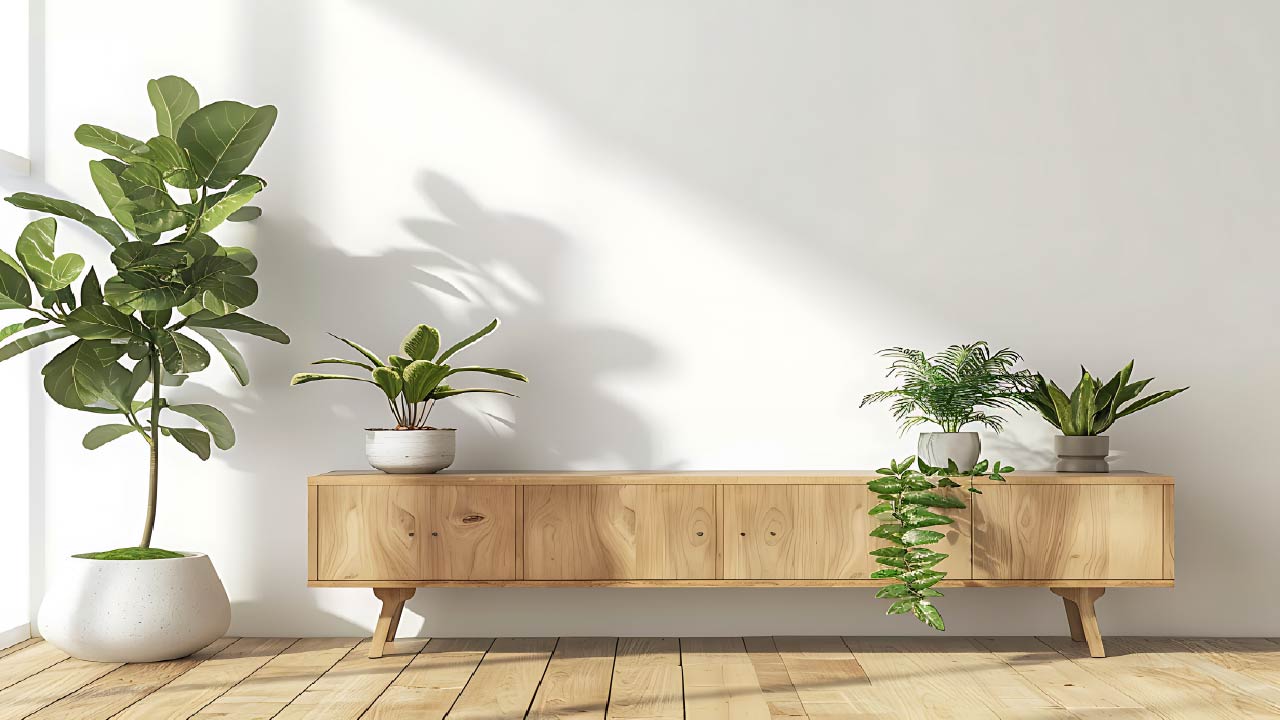
Group plants of varying heights to create dimension. Tall plants like fiddle leaf figs can anchor corners, while smaller potted succulents and trailing ivy can enhance shelves or side tables.
Choose containers that complement your interior style. Ceramic for elegance, terracotta for warmth, or glass terrariums for a modern look.
If you're short on space, use hanging planters or vertical wall gardens. These setups are perfect for small apartments and make your indoor greenery part of the décor itself.
7. Troubleshooting Common Indoor Gardening Problems
Even the best-maintained home garden can face a few hiccups during winter. Identifying problems early helps prevent bigger issues later.
Yellow leaves often indicate overwatering, while dry, brown tips suggest low humidity or too much direct heat. Mold or fungus on the soil's surface signals poor air circulation or excess moisture. Move your plant to a breezier area and let the soil dry out before watering again.
If pests appear, such as spider mites or fungus gnats, isolate the plant and wipe its leaves with diluted soap water. Regularly inspecting plants keeps infestations from spreading.
The key to thriving indoor plants is observation. Spend a few minutes each day checking leaf color, moisture, and overall appearance. It's both therapeutic and preventive care in one.
8. Choosing the Right Tools for Indoor Gardening
Having the right tools makes indoor gardening easier and more efficient. The essentials include:
- Scoop: For transferring soil neatly and maintaining pot hygiene.
- Hand trowel: Ideal for planting, loosening soil, and transplanting seedlings.
- Pruner: Helps you trim stems precisely and shape your plants beautifully.
- Gloves: Keep your hands safe while repotting or fertilizing.
These tools make caring for your winter indoor garden stress-free and enjoyable, especially for beginners still getting used to plant routines.
9. Decorating and Organizing Your Indoor Garden Space
Indoor gardening can be both functional and decorative. Use creative elements to give your space a personal touch:
- Add fairy lights or soft LED strips around plants for a cozy winter glow.
- Use multi-tier plant stands or old bookshelves to display greenery at different heights.
- Incorporate natural textures like wicker baskets or bamboo trays for rustic charm.
You can even mix herbs, succulents, and winter house plants in one corner for diversity. Decorating your garden area also motivates you to stay consistent with care and maintenance.
10. Keeping a Garden Journal and Plant List
A garden journal is one of the most underrated tools for beginners. It helps track watering dates, fertilizer use, and overall plant growth through the winter months.
Maintain a simple plant list with names, light preferences, and care needs. Over time, this log becomes your personal plant encyclopedia, helping you make better decisions for future planting seasons.
You can also use your journal to record plant experiments, note pest issues, or sketch layout ideas for your next indoor gardening setup.
Why Indoor Gardening Matters in Winter
Indoor gardening isn't just about growing plants, it's about creating life, warmth, and positivity inside your home. Especially during the cold, dark days of winter, greenery offers emotional and physical benefits.
- Plants purify indoor air, remove toxins and increase oxygen.
- Greenery improves mood and reduces seasonal depression.
- Caring for plants encourages mindfulness and reduces stress.
These small daily interactions with your indoor garden foster well-being and make your living space feel more vibrant and alive.
Tips for Indoor Plant Success
If you're unsure where to begin, here are a few proven starter tips:
- Start small with 3 to 5 easy plants that are perfect for beginners.
- Water less in winter.
- Rotate plants weekly for even light distribution.
- Use a hand trowel to gently loosen compacted soil every few weeks.
These habits ensure your plants stay healthy and productive.
How to Test Indoor Light Levels
A simple way to test light intensity at home is the "shadow test." Stand near your plant's spot during the day and hold your hand about 12 inches above the surface.
- Sharp shadow: Bright light, ideal for sun-loving plants.
- Soft shadow: Medium light, perfect for most houseplants.
- No shadow: Low light, suitable for ferns.
Understanding light is the foundation of mastering indoor plant care in winter.
The Bottom Line
Creating a winter indoor garden doesn't require expert skills, just passion, patience, and the right approach. Whether you're nurturing a few herbs by the window or transforming your living room into a lush home garden, these strategies will help you keep greenery thriving all season long.
Use your essential tools, like a pruner, to make maintenance easier. Remember, indoor gardening is more than a lifestyle that connects you with nature, no matter the weather outside.