
How to Design a Winter Garden: Color, Texture, and Cold-Hardy Plants
Jan 21st 2026
A winter garden doesn't have to look drab or lifeless. With the right plant selection, you can design a thriving winter landscape full of color, texture, and freshness even when the weather turns frosty. Once the temperature has dropped significantly, the striking crimson colors of trees have disappeared, and gorgeous perennials have gone dormant, your garden may look bare and bleak. Even if trees are bare, your winter landscape doesn't have to be bleak. Colder months also offer opportunities to highlight your winter garden design and create visual interest when most plants are dormant.
From colorful berries and evergreens to ornamental features, striking stems, and ways to attract pollinators, there are several ways to add subtle beauty and seasonal color to your yard and garden. Get ready to bring color, cozy beauty, texture, and warmth to your outdoor space through these winter landscaping ideas.
Plant a Hardy Evergreen for Soft Tones
Evergreens shape your winter landscape with year-round color, structure, and balance. When the cold takes over, and everything starts fading, hardy evergreens will give your landscape life and structure. They stand tall in snow, wind, and frost, keeping your outdoor area from feeling barren. Evergreens are the backbone of winter garden design because they create order and rhythm. Their resilience makes them ideal for gardens with an all-season interest, and their density provides privacy and shelter for wildlife.
Their glossy, deep greens and silvery blues with the pale skies and shimmering snow, turn your yard into a living sculpture. Evergreens are the best way to maintain the aesthetic appeal of your winter landscape when everything is blanketed in snow, as they provide both color and structure. We recommend planting "evergreens of different heights" to create soft and minimal transitions.
Add Color with Winter-blooming Plants
Winter flowers create a beautiful living display that rewards you with color, fragrance, and texture even when daylight fades early. You can bring pops of color and life by adding winter-blooming plants that bloom through frost and snow. These strong beauties brighten your outdoor space by creating a stunning contrast against the muted landscape.
Winter-blooming flowers are your garden's way of responding to freezing winter with resilience, color, and charm. If your area has mild winters, winter camellias will give you gorgeous rose-like blooms, and winter Daphne offers a citrusy fragrance that hints at summer.
Grow Edible Herbs
Edible herbs provide your winter garden resilience and flavor when the soil stiffens and the air becomes cold. So, grow frost-resistant herbs to fill your space with greenery and keep your kitchen full of fresh ingredients. Their hardiness makes them perfect companions for your winter garden, as they blend charm and functionality through the colder months.
When combined with potted evergreens and flowers, hardy herbs create a layered texture that looks vibrant even in frost. The subtle blooms and silvery leaves will blend well with other seasonal décor. Cover the herbs with row covers during frost to prevent damage.
Read More:Winter Garden Tips and Maintenance for Beginners
Incorporate Fresh Mulch
Mulch protects your winter garden from harsh weather conditions while keeping it balanced and beautiful. A clean layer of fresh mulch protects roots, defines garden beds, and gives the garden a tidy, attractive look. Fresh mulch would give your winter garden beds a visual warmth.
Natural wood mulch develops rich brown tones that contrast beautifully with snow, and shredded bark mulch adds texture that catches light. Apply a 2-3-inch mulch layer to help your plants survive freezing temperatures and prevent frost heaving that can damage roots.
Create Stone Pathways or Add Decorative Stones
Use stones to create defined routes through your landscape, making it accessible even in light snowfall. Stone paving adds visual structure and texture to your winter garden design while guiding the eye across garden areas.
Limestone and bluestone paths offer non-slip surfaces that are safe in freezing temperatures. Also, their neutral tones complement white snow and evergreen plantings. Their thermal mass helps melt light ice faster than other paving materials. Use decorative stones with mulch in garden beds to create a perfect balance of function and charm, and wrap your winter landscape in a warm, natural embrace.
Grow Plants in Striking Winter Planters
Investing in colorful planters with winter-interest trees, shrubs, and plants is one of the best ways to add color and toughness to your winter garden design. It's an excellent idea to use bright, colorful pottery in any garden setting. Although your planters will need to be filled with hardy plants that can withstand frost or winter chill, you can still create a focal point with them. The pottery alone can make a huge impact.
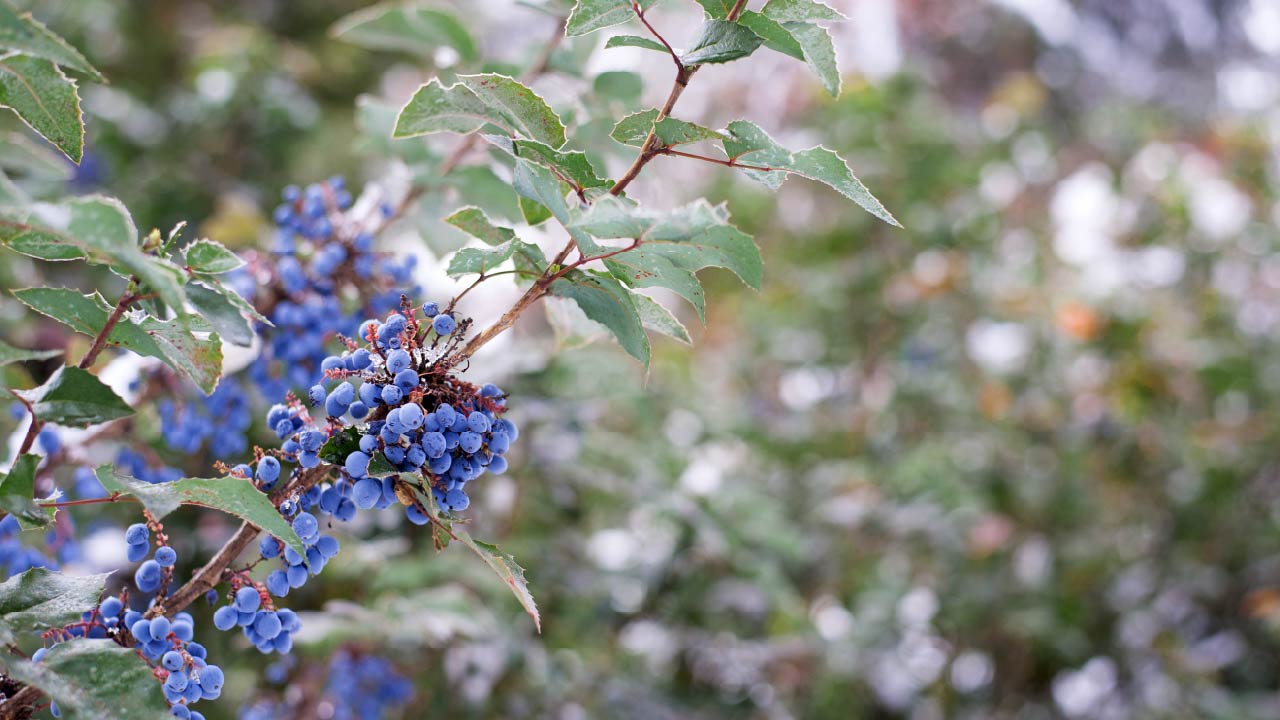
Large containers or pots can transform even the smallest patio into a cheerful winter haven. Fill the planters with evergreen fragrant flowering shrubs, such as Sarcococca confusa ‘Sweet Box or Mahonia ‘Soft Caress'. Additionally, add colorful plants like Heuchera ‘Marmalade', or ‘Green Spice', and plants with gorgeous winter flowers or eye-catching stems.
Leave Seed Heads and Dried Flowers
Your outdoor area will become more lively and interesting if you leave some plants over winter to seed. Resist the temptation to cut everything and tidy up. Stiff, manicured yards look old-fashioned and also do little for nature. However, a modern landscaping approach is to let things go a little wild.
Leave the spent flower heads in the winter to create a beautiful focal point with a dried-flower look. Ornamental grasses look equally gorgeous in the winter due to their tall silhouette and feathery seed heads. This is also a wildlife-friendly approach. Leaving fallen leaves, seed heads, and small heaps of logs provides cozy habitats for insects and birds during cold weather. Dried flower stems and seed heads beautifully catch frost, which makes this idea both visually appealing and environmentally beneficial.
Choose Interesting Barks and Stems
Besides winter-flowering plants, there are other ways to add color and vibrancy to your garden during the cold season. Shrubs and trees with colorful bark and stems can bring winter garden interest and color in striking ways.
Red twig dogwood looks spectacular against the white blanket of snow, with its vivid crimson stems that brighten as the temperature drops. Additionally, paperbark maple produces cinnamon-colored bark that peels in thin strips, while river birch has salmon-pink bark that looks attractive even on the gloomiest winter days. Choose the right plants with colorful combinations, and they will really stand out brightly during a period that can otherwise be a little bleak and dull.
Add Functional Hardscape Elements
This is a year-round, low-maintenance winter garden idea. Stone benches, pergolas, garden sculptures, pathways, and architectural features like arbors remain beautiful throughout winter and require minimal upkeep. Their structural lines will clearly show against the winter sky and the snow-covered yard. You can add a fire pit that brings you outside on chilly days, while you're wrapped in a blanket and sipping something warm to drink. Even a basic stone patio with a heater can extend your outdoor season by weeks.
Popular hardscaping elements for winter garden design include:
- Garden arbors and pergolas.
- Natural stone patios and covered outdoor living spaces.
- Retaining walls that create terraced beds and define spaces.
- Stone benches that create a focal point and offer year-round functionality.
- Decorative stone pillars or columns as architectural accents.
- Gravel and stone pathways that remain clean yet visible and hold your garden harmony when color disappears.
Install Strategic Landscape Lighting
Invest in warm, welcoming outdoor lighting to make your space warm, welcoming, and festive. Beautifully installed landscape lighting will extend your winter landscape's charm beyond daylight. Wrap LED string lights around trees and shrubs for warm glows to make evening atmospheres magical. LED outdoor lights are energy-efficient and can withstand freezing conditions while illuminating your yard.
Add lights on evergreen shrubs to highlight their structure and cast dramatic shadows. Install path lights along stone paving to provide both safety and a welcoming ambiance after dark. A few high-quality path lights and a strong focal evergreen can transform how your garden feels in winter.
Buy the best-quality landscape lighting at the most affordable prices!
The Bottom Line
These winter landscaping ideas can transform your outdoor space into a season-long showpiece and give you a year-round appeal. You can design a wonderful winter garden with color, interest, and toughness by selecting the right plants, strategically layering evergreen shrubs and trees with color, adding ornamental grasses, and incorporating permanent hardscaping features.
A well-designed winter garden brings beauty, color, warmth, and festive spirit to your home, even when temperatures fall below freezing. With creative winter landscape ideas and the right garden tools, your outdoor space will not only survive winter but will shine through it. So, gather your tools, start planning now, implement the ideas, and your garden will glow with beauty and life.