
How Misting Soil Improves Seed Germination
Feb 19th 2026
If you've ever started seeds indoors or in a greenhouse, you know one simple truth: getting the moisture level right can make or break your success. Overwatering drowns seeds; underwatering lets them dry out. And somewhere in between lurk fungal diseases like damping off that can wipe out an entire tray overnight.
That's why more gardeners are turning to soil misting — a gentle, precise method that uses misters or fine‑mist greenhouse systems to keep soil surface moisture just right. Instead of heavy streams of water, misting delivers micro‑droplets that hydrate the top layer of soil without disturbing seeds or compacting the medium. This simple switch can dramatically improve germination rates, support early root development, and cut down the risk of fungal issues.
In this guide, we'll explore why misting matters, compare it to traditional watering, look at the tools that make it work like Netafim spinNet sprinklers, cool breeze misting nozzle, and superfine misting systems, and walk you through a full step‑by‑step setup to help your seeds thrive.
What Is Soil Misting for Germination?
Soil misting means applying a fine spray of water over seed trays, propagation flats, or garden beds. Unlike heavy watering, which can compact soil, wash away tiny seeds, or create overly saturated conditions, misting delivers soft, gentle droplets that:
- Gently wet the soil surface without disturbing seed placement.
- Maintain an even moisture level across the entire tray.
- Prevent soil crusting that can hinder young seedlings.
- Encourage slow, steady uptake of water by seeds.
In effect, misting creates a micro‑environment like natural dew, perfect for starting the germination process.
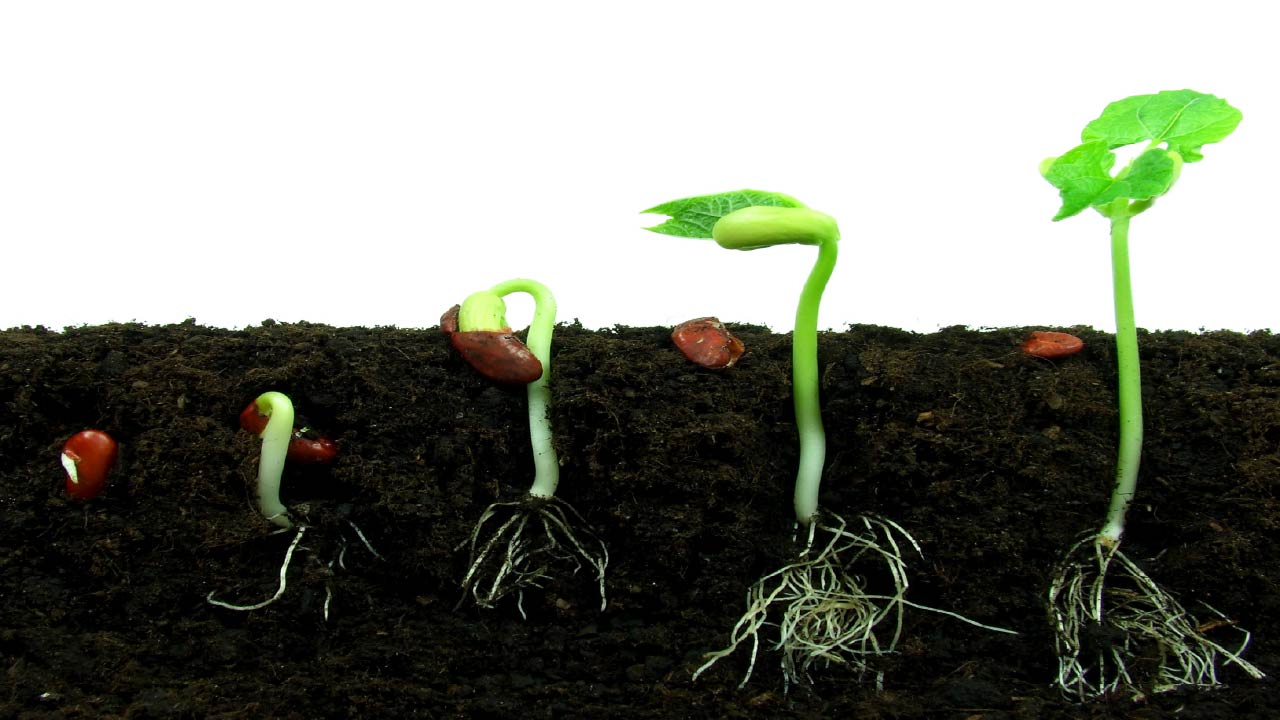
Because mist droplets remain near the surface, they provide seeds with the soft, steady moisture they need to swell, break dormancy, and push out radicles (first roots), while preserving air spaces in the soil so roots can breathe.
Why Proper Soil Misting Matters
Proper moisture is vital for seed germination because water activates the seed's internal processes (imbibition), softens the coat, triggers enzymes, and hydrates the embryo, kickstarting growth; too little water halts this, while too much leads to rotting or drowns the seed.
Balanced Moisture Without Saturation
Seeds need moisture to germinate, but they don't like to drown. Too much water can choke them by depriving their tissues of oxygen. Misting provides enough water to soften the seed coat and trigger growth without creating soggy conditions. Soil stays moist but still aerated, allowing roots to get oxygen as they grow.
Even Germination Across the Tray
Traditional watering often wets only parts of a tray, leaving some spots too dry and others waterlogged. Misting, when done correctly, blankets the entire surface with an even layer of moisture. That results in more uniform germination, no clusters of sprouts here and dry, bare soil there.
Seeds Stay Where You Placed Them
Tiny seeds like lettuce, herbs, or flower seeds are easily displaced by water pressure if you water too heavily. A spray of mist avoids that problem. The gentle application keeps seeds in place, preserves their depth, and ensures consistent seed‑to‑soil contact.
Encourages Healthy Root & Seedling Growth
With misting, seeds steadily absorb moisture. As roots emerge, they can push downward into well-aerated soil rather than struggling in a saturated mess. Early root growth benefits from oxygen and stable moisture, leading to strong, healthy seedlings.
Reduces Risk of Damping Off and Fungal Issues
Heavy watering can create conditions ideal for fungal pathogens. Misting keeps the soil damp but not soaked, reducing the risk of fungal pathogens like Pythium or Fusarium, which often cause damping off. Because the surface remains gently moist and not waterlogged, the risk of soil‑borne disease declines.
Misting vs Watering Seeds
It's helpful to see the difference clearly. For seeds and seedlings, misting and traditional watering offer very different outcomes:
Traditional Watering
- Can disrupt the soil surface and displace tiny seeds
- May over-saturate the soil, reducing the oxygen needed for roots
- Risk of water pooling and fungal issues
- Uneven moisture distribution across the tray
Soil Misting
- Applies gentle, uniform moisture to the soil surface
- Keeps soil structure intact and oxygen‑rich
- Minimizes seed displacement
- Supports uniform germination and reduces disease risk
In almost every case, especially for small seeds and early growth, misting offers far more benefits for germination than traditional watering.
How Misting Helps with Seed Germination
Misting helps seed germination by providing gentle, consistent moisture. This method mimics natural dew, offering water and moisture to the developing plant.
Starting Germination with Proper Moisture
When seeds absorb enough water, they begin a process called imbibition, swelling, softening their seed coat, and activating enzymes needed for growth. But this initial moisture must come gently and evenly. Misting provides just the right amount of water to start imbibition without shocking or drowning the seed.
Creating a Humid, Stable Micro‑Climate
After misting, humidity near the soil stays elevated, slowing evaporation and allowing seeds to draw water steadily. This stable humidity reduces stress, especially in indoor or greenhouse setups where the air might be dry. It's essentially recreating a natural, damp forest-floor microenvironment ideal for many seeds.
Enhancing Oxygen & Gas Exchange in Soil
Roots and germinating seedlings need oxygen as much as water. Heavy watering often saturates the soil, filling pore spaces with water rather than air, suffocating young roots. Misting delivers water only where it's needed, preserving air spaces so roots can breathe and grow properly.
Reducing Soil Compaction and Seedling Stress
Wet soil can compact under its own weight, especially when overwatered. Misting avoids this by gently moistening the surface without compressing the soil. That means roots can grow freely, and seedlings avoid the shock and stress associated with heavy watering.
Types of Misting Tools
Choosing the right misting tool depends on your setup. Small indoor trays, larger greenhouse benches, or commercial‑scale propagation. Here are some of the best options:
Hand‑Held Misters
Perfect for small seed trays or indoor seed‑starting on a windowsill. A simple handheld sprayer lets you control water output, droplet size, and direction, giving you gentle, customizable misting.
Netafim spinNet sprinklers
For larger setups, such as greenhouse benches or multiple trays, Netafim spinNet sprinklers offer automated, even mist distribution. They generate a fine, full‑coverage mist that blankets every tray with minimal effort, delivering consistent moisture for various trays.
Cool Breeze Misting Nozzle
If you want a powerful yet gentle mist with good coverage, especially in heated or drought‑prone greenhouse spaces, a cool breeze misting nozzle creates micro‑droplets that gently coat soil and seedlings. Great for humidifying air and keeping the soil surface evenly moist in larger grow rooms.
Superfine Misting Systems
For professional growers, nurseries, or serious hobbyists, superfine misting systems deliver ultrafine droplets ideal for tiny seeds, sensitive seedlings, or propagating fragile species. These systems can recreate natural humidity, support uniform germination, and minimize soil disturbance, even at scale.
Choosing the right tool comes down to scale, seed type, and growing environment. For small indoor seed trays, a handheld mister works fine. For larger or commercial operations, automated systems save time and ensure consistency.
How to Mist Soil for Seeds (Step‑by‑Step Guide)
Step 1: Prepare Clean, Sterile Seed‑Starting Mix
Start with a light, soilless seed‑starting mix, ideally one that drains well and retains some moisture without compacting. Avoid garden soil, which can be heavy, water‑retentive, and full of fungal spores. Many growers recommend sterile, free‑draining mixes enriched with perlite or vermiculite.
Step 2: Fill Trays and Level the Surface Gently
Avoid the soil; just lightly fill and level. Compacting kills the air pockets that seedlings need and reduces soil aeration. Loose soil means easier root growth and better water infiltration.
Step 3: Sow Seeds According to Packet Instructions
Tiny seeds may not need to be covered at all; larger seeds often do. But whatever the seed, try to keep it at the right depth. Misting works best when seeds are placed at or near the surface. Avoid burying them too deeply; they may fail to emerge.
Step 4: Initial Moisture Light Mist, Not Drench
Use a hand mister or automated system to apply a fine spray until the soil surface darkens just slightly (indicating moisture), but before any water pools or drips. The goal is uniform surface dampness, not soaking.
Step 5: Use a Humidity Dome (Optional)
After misting, cover the tray with a dome or a clear cover to maintain high humidity and reduce evaporation. This helps sustain moisture without frequent misting, but be ready to remove it once germination begins to prevent fungal buildup.
Step 6: Mist Daily or As Needed Until Germination
Check the soil daily. If the surface feels dry or lighter in color, give a gentle mist so it doesn't dry out completely. Many growers mist twice per day for fine seeds, often morning and evening, but adjust based on temperature, humidity, and soil dryness.
Step 7: After Germination, Transition to Bottom Watering
Once seedlings emerge and roots start growing downward, misting alone may not be enough. Switch to bottom watering (watering from below through trays) to ensure water reaches the root zone while keeping foliage dry, reducing disease risk.
Step 8: Provide Adequate Light, Temperature & Ventilation
Seedlings need consistent light (grow lights or good natural light), moderate temperatures (often 65–75°F / 18–24 °C), and airflow. Good air circulation helps prevent fungal issues, especially when soil and air are moist.
By following this step‑by‑step guide, you'll create ideal conditions for seeds to germinate gently, evenly, and with strong root development.
Preventing Damping Off While Misting
Misting reduces many risks, but seedlings remain vulnerable, especially to damping off, a fungal disease that can strike fast. To keep your seedlings safe:
- Use sterile seed‑starting mix and clean trays/pots. Old soil or unclean containers can harbor fungal spores.
- Don't over‑mist. Soil should be moist, not soggy. Let the top layer dry slightly before re‑misting.
- Ensure airflow. Good ventilation reduces humidity spikes and prevents fungal growth.
- Remove humidity domes once seedlings appear. Domes are useful for germination but dangerous if left too long.
- Thin seedlings if crowded, as overcrowding stresses plants and limits air circulation.
When you follow these precautions, misting offers the benefits of moisture without the usual risks associated with heavy watering.
Seedling Care Basics After Germination
Once seeds sprout, care shifts from "gentle moisture" to "balanced growth." Here are key factors for healthy development:
Light
Seedlings need bright, consistent light. Grow lights about 2–4 inches above them work well, or a sunny window, though window light often isn't enough on its own.
Moisture
Soil will still need watering, but less often. Transition to bottom watering once roots are established to deliver moisture to deeper soil while keeping leaves dry.
Airflow
Good ventilation helps stems grow strong and reduces the risk of disease. A small fan nearby often does wonders.
Temperature
Most seedlings do well at 65–75 °F (18–24 °C) range. Warmer soil helps roots grow quickly without shocking delicate leaves.
Hardening Off
Before transplanting outdoors, gradually expose seedlings to outdoor conditions over 5–7 days, reducing humidity and increasing airflow to help them adjust smoothly.
Consistent attention to these basics, moisture, light, temperature, and air, makes the difference between weak seedlings and robust plants ready for transplanting.
Troubleshooting Common Issues
Here are common problems when misting or seed‑starting and how to fix them:
- Uneven germination: Mist coverage might be inconsistent. Ensure the sprayer produces fine droplets and a uniform mist across the tray.
- Damping off or fungal issues: Reduce misting frequency, remove domes, improve airflow, and sterilize trays.
- Soil drying too fast: Consider more frequent misting or a humidity dome; avoid placing trays near heat sources that dry soil rapidly.
- Seed displacement: If small seeds wash away, switch to gentler misting or dust a light layer of vermiculite over the top after sowing.
- Leggy seedlings: Often from inadequate light, move seedlings closer to grow lights or provide a stronger light source.
- Slow root development: Check that soil drains well; overly dense or soggy mixes inhibit root growth. Use a well‑draining mix with perlite or vermiculite.
Best Practices for Strong, Healthy Seedlings
- Mist only as needed, avoid schedule-based spraying.
- Use clean, sterile seed-starting mixes and trays to prevent pathogens.
- Provide gentle, consistent misting in early germination, then switch to bottom watering once roots develop.
- Give ample light, gentle airflow, and stable temperature to promote vigorous growth.
Final Thoughts
Misting your soil isn't just watering with fancy equipment. It's a science-backed, seed-friendly way to hydrate soil. A fine spray gives seeds the gentle, even moisture they need, preserves soil structure and oxygen, reduces displacement, and significantly lowers the risk of damping off.
By using misters, Netafim spinNet sprinklers, cool-breeze misting nozzles, or superfine misting systems along with clean soil mixes, good airflow, and consistent light, you set the stage for strong, healthy seedlings that germinate quickly, grow well, and transplant successfully.