
Drip Irrigation Systems for Gardens: Are They Worth It?
Apr 14th 2026
Watering your garden seems simple until you're juggling plant health, water conservation, and your own time. That's where drip irrigation systems come in. These systems deliver water directly to plant roots through a network of tubes, emitters, and valves. While they've grown in popularity among home gardeners and commercial growers alike, they're not without drawbacks.
Let's take a closer look at the pros and cons to help you decide if a drip irrigation system is right for your garden.
What Is a Drip Irrigation System?
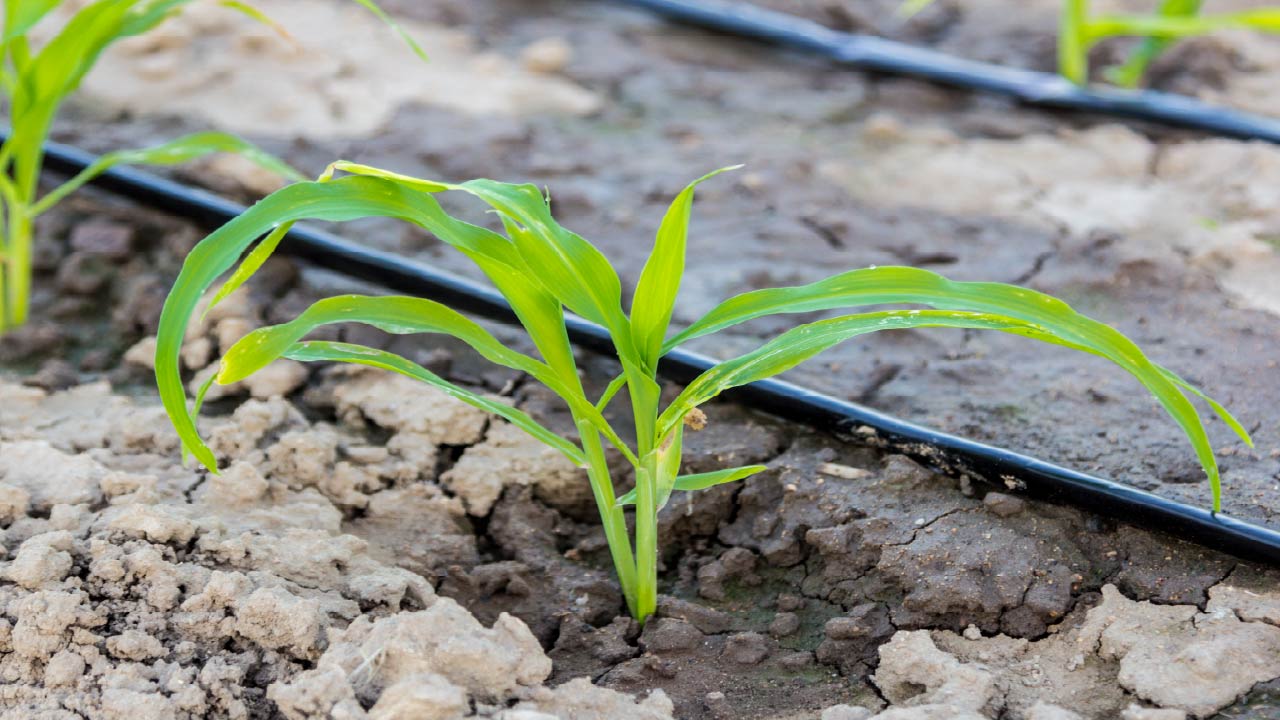
A drip irrigation system slowly releases water at or near the base of plants. Unlike traditional sprinklers that spray water over a wide area, drip systems target specific plants, minimizing waste.
The Pros of Drip Irrigation
- Water Efficiency
Drip irrigation is one of the most water-efficient methods available. Because water is delivered directly to the soil, there's minimal evaporation or runoff. This makes it especially valuable in drought-prone areas or regions with water restrictions.
- Healthier Plants
By watering at the root level, plants receive consistent moisture without wetting their leaves. This reduces the risk of fungal diseases and promotes stronger root systems.
- Weed Reduction
Since water is only delivered where it's needed, the surrounding soil stays relatively dry. This makes it harder for weeds to thrive.
- Time-Saving Automation
Many drip systems can be connected to timers, allowing you to automate your watering schedule. Once set up, you can spend less time managing your garden and more time enjoying it.
- Adaptability
Drip systems are highly customizable. Whether you're growing vegetables, flowers, or shrubs, you can adjust the layout and select emitters that have the flow rate your plants need.
The Cons of Drip Irrigation
- Initial Setup Cost
Compared to a basic hose or sprinkler, drip irrigation systems can be more expensive upfront. The cost of tubing, emitters, connectors, and timers can add up quickly.
- Installation Complexity
Setting up a drip system requires planning and some technical know-how. You'll need to measure your garden, design the layout, and ensure proper pressure and water flow.
- Maintenance Requirements
Emitters can clog due to dirt, minerals, or algae buildup. Regular maintenance, like flushing the system and checking for blockages, is necessary to keep everything running smoothly.
- Potential for Damage
The tubing can be accidentally cut by garden tools or chewed by animals. Even small leaks can affect system performance if left unaddressed.
- Not Ideal for All Gardens
Drip irrigation works best for row planting or spaced-out plants. Lawns or densely planted areas may be better suited to other irrigation methods, such as sprinklers.
Is Drip Irrigation Right for You?
If you're looking to conserve water, improve plant health, and automate your gardening routine, a drip irrigation system is a strong investment. However, if you prefer a low-cost, low-maintenance solution or have a large lawn, it might not be the best fit.
Bottom Line
Drip irrigation strikes a balance between efficiency and control. While the initial setup may take some effort, the long-term benefits often outweigh the downsides, especially for gardeners who are serious about sustainability and plant care.
Before diving in, consider your garden's size, layout, and your willingness to maintain the system. With the right setup, drip irrigation can transform the way you care for your plants.