
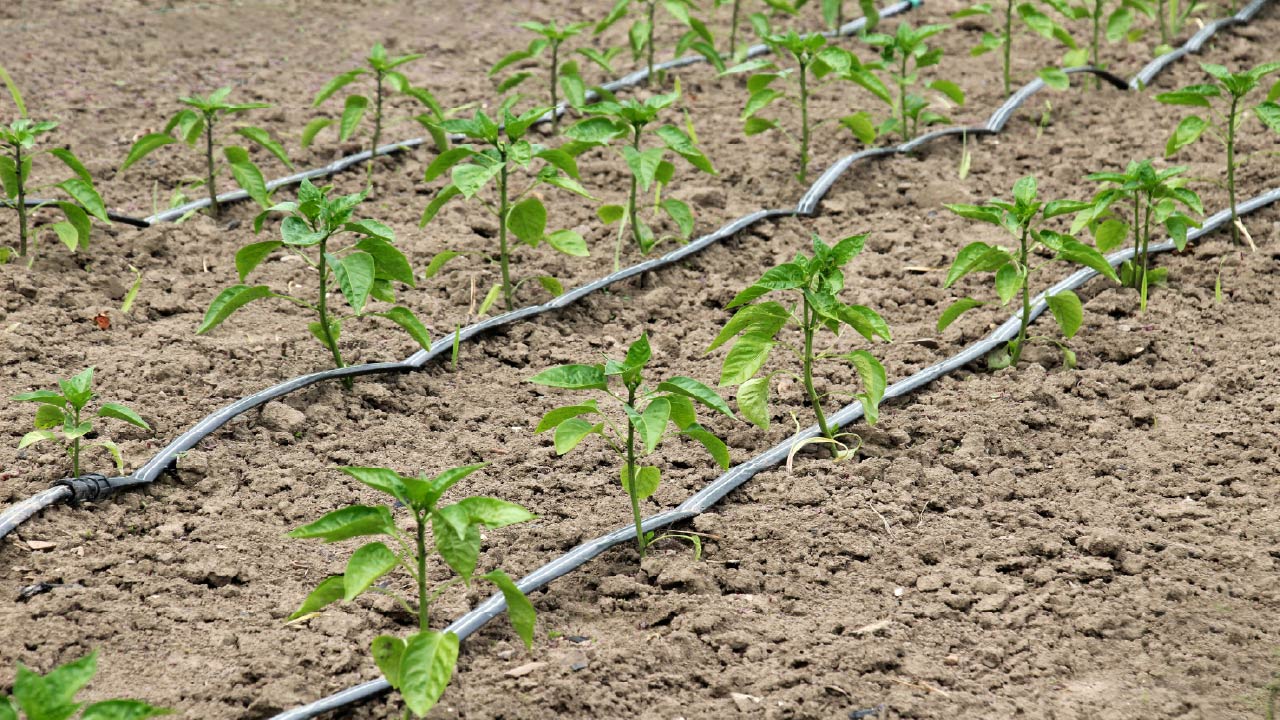
Drip Irrigation Checklist for Spring: Essential Steps for a Thriving Garden
May 18th 2026
With mid-May upon us and temperatures rising, now is the perfect time to prepare your garden for a thriving summer season. It's time to install a drip irrigation system. It's easy to install and will deliver water directly to the roots.
If you are still dragging a hose around or relying entirely on overhead sprinklers, this is the year to make a change. Installing and maintaining a drip irrigation system is one of the highest-impact tasks you can tackle this spring.
Here is why drip irrigation is essential for a healthy garden, along with a straightforward checklist to get your system ready for the heat
Why Drip Irrigation
Traditional watering methods like hand-watering or oscillating sprinklers often deliver water too quickly for the soil to absorb, leading to runoff, evaporation, and wet plant leaves. Drip irrigation changes the game by delivering water slowly and directly to the soil surface or root zone.
- Extreme Water Efficiency: Drip systems use up to 50% less water than traditional sprinklers. The water goes exactly where it is needed, minimizing evaporation and runoff, which is especially critical during dry California summers.
- Natural Weed Control: When you use a sprinkler, you water the whole garden bed, including the weeds. Drip irrigation targets your specific plants, keeping the surrounding soil dry and starving weeds of the moisture they need to sprout.
- Time and Freedom: Once your system is hooked up to an automatic timer, the days of standing in the yard with a hose for an hour are over.
Your Spring Drip Irrigation Checklist
If you already have a system installed, it's time to ensure it is ready for summer. A little maintenance now prevents thirsty, wilted plants later.
1. Inspect and Repair
Walk through your garden beds and inspect the mainlines and smaller drip tubing. Winter weather can damage fittings and poly lines. Splice in new tubing wherever you find leaks or severe damage.
2. Flush the System
Before closing off your driplines, it is important to flush out any dirt or bugs that may have made a home in your lines over the winter. Simply loosen the end caps from your main lines, run water for a few minutes until it runs clear.
3. Check Connections and Emitters
Turn the system on and walk the lines again. Ensure every single dripper is working; mineral buildup from hard water can easily clog the tiny openings. Replace any stubborn emitters.
At the water source, check your pressure regulator, filter, and hose bib for leaks. If you notice any weeping at the threaded connections, unthread them, clean the grooves, and apply a fresh layer of thread seal tape to ensure a watertight seal.
4. Inspect Your Filter
The filter prevents debris from entering your drip system and clogging your emitters. It is important to check the filter for damage. Most filters can be taken apart for inspection and cleaning. Ensure that the filter screen is clean or replace it if necessary.
5. Timer Set Up
If you have an automatic timer, install fresh batteries for the season. Set your schedule based on the current mild spring weather, keeping in mind that you will need to increase the frequency and duration as the summer heat peaks.
Bottom Line
By taking the time to set up and maintain your drip irrigation system this spring, you'll set your garden up for a season of healthy growth, fewer weeds, and less water waste. With just a bit of preparation now, you can enjoy a thriving, low-maintenance garden.