
8 Best Low-Maintenance Plants for Busy People
May 27th 2026
Creating a beautiful garden filled with lots of plants and color does not have to mean spending every weekend watering, pruning, fertilizing, and fighting pests. If you're a gardener with a busy schedule or want low-effort gardening, there are plenty of low-maintenance garden plants that don't need to be tended to or watered religiously. Many perennial plants are virtually carefree once established, providing long-lasting structure, color, beauty, and texture to your landscape.
The best low-maintenance plants are drought-tolerant, adaptable to various soil types, pest-resistant, need little pruning, and thrive with minimal care. That's why low-maintenance gardening has become a popular trend among landscapers who want beauty in outdoor spaces without the regular upkeep.
Here we reveal the top 8 plants for a stunning, low-maintenance garden that adds color, texture, and curb appeal to your space without requiring much effort on your part.
1. Hostas
USDA Hardiness Zones: 3-9
Sun Exposure: Full or partial shade
Soil: Rich, moist, well-drained soil
Best Landscape Uses: Beneath shade trees, north-facing foundation walls, and woodland pathways.
Hostas are the most popular shade-loving plants, instantly transforming dull corners of your yard into vibrant, textured spaces. These perennials are a great choice for all gardens, as they can tolerate full sun and deep shade and thrive in a wide range of soil types. If you had to explain hostas in three words, it'd be hardy, lush green, and easy. These easy-to-grow plants come in different sizes, leaf shapes, and colors, and provide beautiful greenery in any yard. They're easy to care for and well-resistant to deer and pests. This makes them an excellent low-maintenance plant choice for gardeners wanting to bring beautiful greenery without the fuss.
Why it's Low maintenance
Once planted in a shady spot with decent drainage, hostas require almost no upkeep. They rarely require fertilization and need little pruning. As they grow packed so tightly together, they act as a living mulch, shading the ground and completely suffocating nearby weeds.
2. Sedum
USDA Hardiness Zones: 3 to 9
Sun Exposure: Full sun
Soil: Well-drained soil. It will rot in soggy, wet clay soil.
Common Landscape Uses: Rock gardens, sunny slopes, and container gardens.
Sedum, also known as stonecrop, is a hardy succulent with fleshy leaves and star-shaped blooms. This is a favorite plant among gardeners looking for drought-tolerant plants that thrive almost anywhere. It thrives in poor soil, making it an ideal choice for low-maintenance gardens. With little watering and no fertilization needed, Sedum lets you enjoy a beautiful garden with minimal effort.
Why it's Low maintenance
Sedum requires zero attention during the spring and summer, calmly building a tight, clean mound of green foliage. It is highly drought-resistant and requires almost no fertilization. Sedum can thrive in rocky or poor soils. It is also well-resistant to many pests and diseases.
Discover 10 Best California Native Plants for Landscaping and Gardens
3. Black-Eyed Susan
Hardiness Zones: 3-9
Sunlight Exposure: Full sun and partial shade
Soil: Tolerate all soil types, including heavy clay.
Landscape Uses: Pollinator gardens, cottage gardens, and meadow-style planting.
Black-Eyed Susans are cheerful wildflowers that will bring bright yellow flowers with dark centers to your garden from summer through fall. They are visually appealing and attract lovely pollinators to your garden. Additionally, these resilient plants grow in various soil types, often self-seed, and require little maintenance. This all makes them a favorite choice among gardening enthusiasts.
Why it's Low maintenance
It is drought-tolerant and pest-resistant. It also withstands heavy clay, strong winds, and prolonged summer droughts without dropping its leaves or losing its vibrant color.
4. Boxwood Shrub
Hardiness Zones: 5 to 9
Sunlight: Full sun, partial shade
Soil: Well-drained soil
Landscape Uses: Container gardening, topiary, walkway edging, privacy screens.
Boxwood is a classic evergreen plant with small leaves and a bushy habit. It is commonly used in formal landscapes to create structure and order. Boxwood shrubs are known for their tidy appearance and low-maintenance nature. They remain green year-round and look beautiful in both formal and modern landscape designs. They are amenable to pruning, making them suitable for hedging and topiary. Use this versatile shrub in containers along a pathway.
Why it's Low maintenance
It requires minimal watering once established and requires trimming once or twice yearly.
5. Russian Sage
Hardiness Zones: 4-9
Sunlight Exposure: Full sun
Soil: Dry, sandy, or drained soil.
Landscape Uses: Privacy screen, background structural planting, and modern gravel gardens.
Russian sage brings an airy Mediterranean aesthetic to North American landscapes. These beautiful perennials add visual splendor to any garden year-round. Russian Sage has silvery foliage and tall spikes of blue blooms for a spectacular visual impact. They look like lavender with their light blue color but grow much taller. Sage plants don't require much maintenance from you, once they're established. On top of this, they're drought-tolerant, which is ideal for warmer regions. This drought-resistant plant is a lovely choice for busy gardeners because they require minimal pruning.
Why it's Low maintenance
The pungent oil within the foliage makes Russian Sage completely offensive to hungry deer and rabbits. It actively grows well in hot, dry climates and poor, alkaline soils where other ornamental perennials would quickly wither.
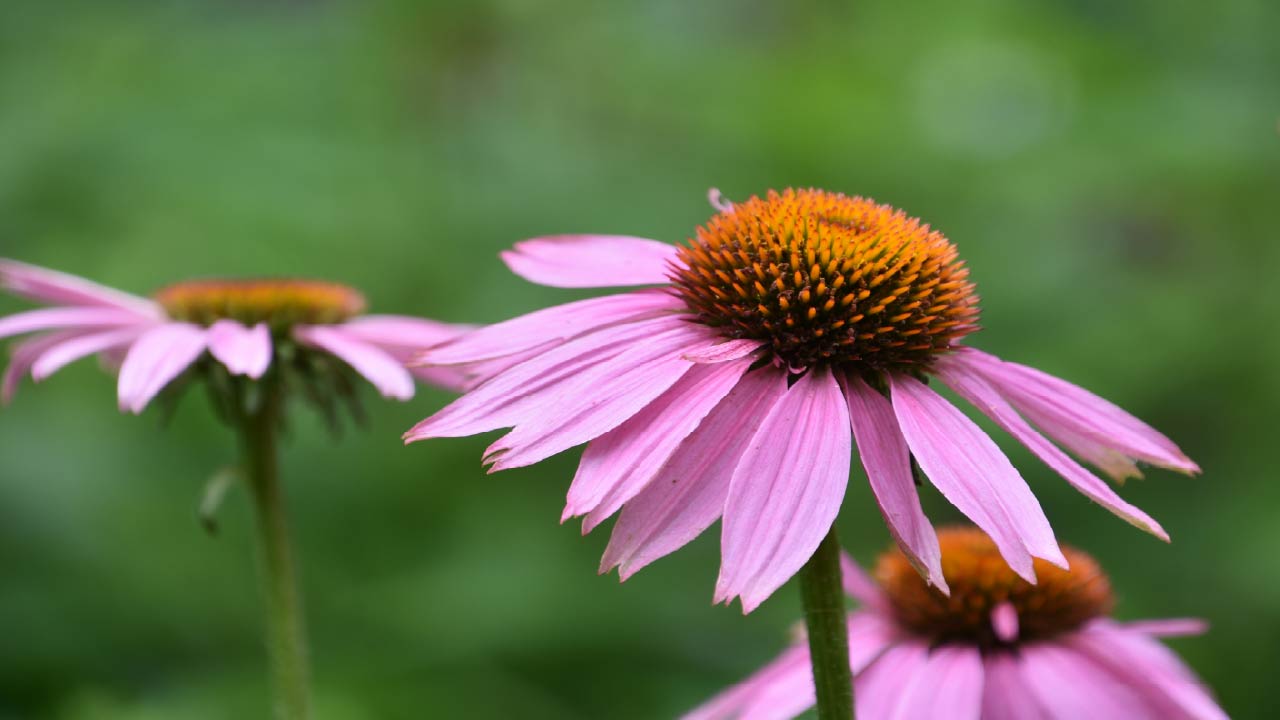
6. Cone flowers
Hardiness Zones: 3-9
Sunlight: Full sun
Soil: Well-drained soil, rocky, or sandy soil.
Landscape Uses: Mixed borders, pollinator gardens.
Coneflower is an absolute staple of the American garden. This is a rugged native wildflower that recovers from intense summer heat, humidity, and drought. This drought-tolerant plant comes in a rainbow of colors and is known for its vibrant blooms. They also attract bees and butterflies, so they add life to your dull garden. All these benefits make coneflowers an excellent choice for low-maintenance landscapes.
Why It's Low-Maintenance
Coneflowers develop a sturdy taproot that allows them to absorb moisture from deep within the soil during dry spells. They survive poor soil and produce blooms for long periods.
Here is a Month-by-Month Garden Checklist: What to Do All Year Long
7. Lavender
USDA Hardiness Zones: 5-9, depending on the variety.
Sunlight Exposure: Full sun
Soil: Poor or sandy, well-draining soil.
Common Landscape Uses: Rock gardens, low hedges, pollinator gardens, and sunny patios.
Lavender is one of the most reliable low-maintenance herbs, beautiful to look at, wonderfully fragrant, and attractive to bees and butterflies. Known for its fragrant purple blooms and silvery-green leaves, lavender adds beauty and calming scent to landscapes while demanding very little care. Its silver-green leaves and tall stems, crowned with purple blooms, will make your garden a true wonderland. It is admired worldwide for its beauty and aroma. This Mediterranean herb thrives in sunny, well-drained areas and performs well in dry climates.
Why it's Low maintenance
Lavender naturally thrives. It prefers low-nutrient soils and requires zero supplemental watering once its roots are established. Also, it is rarely bothered by pests or deer and needs pruning only once or twice a year.
8. Ornamental Grasses
No low-maintenance garden is truly complete without the striking texture and movement of native ornamental grass. Ornamental grass is becoming popular in easy-to-grow gardens because they add movement, texture, and year-round interest to outdoor spaces, requiring almost no upkeep. Additionally, these grasses are adaptable, drought-tolerant, and can thrive in a wide range of climates. They work beautifully in modern landscapes, borders, and erosion-control projects.
Why it's Low-Maintenance
They require little watering and minimal pruning. Most ornamental grass is resistant to pests and diseases. Also, they grow quickly.
Tips for Creating a Low-Maintenance Garden
Choosing the right plants is only one part of the process. Even if you fill your entire yard with these low-maintenance plants, a few smart landscaping practices will save you from spending unnecessary hours working outside and improve plant health.
Prepare Soil Before Planting
Healthy soil produces stronger, more resilient plants that require less care. So, before planting, mix compost, manure, organic matter, or other slow-release nutrients.
Mulch Deeply and Properly
Apply a 2- to 3-inch layer of organic mulch over your flower beds every spring. Mulch acts as a protective cover over the soil, reducing water evaporation by up to 70% and preventing weeds.
Group Plants by Water Needs
It is not recommended to plant a water-loving Hosta directly next to a succulent or lavender. Instead, group all your plants by their sunlight and watering needs. For example, you can place drought-tolerant plants together, which improves watering efficiency and prevents overwatering delicate plants.
Proper Plant Spacing
Crowded plants may develop fungal problems and poor airflow. So, properly space plants to reduce disease risks and minimize maintenance.
Choose Native Plants
Native plants adapt to local climates, rainfall patterns, and soil conditions. They have fewer pest issues, require less fertilizer, and attract pollinators.
Use Drip Irrigation
Overhead sprinklers lose a lot of water to evaporation and wet the plant foliage, which can cause fungal diseases. Drip irrigation delivers water directly to the base of the plant, putting water exactly where the roots need it.
This efficient watering approach reduces:
- Water evaporation
- Fungal diseases
- Runoff problems
- Water waste
The Bottom Line
A stunning landscape does not require endless work if you plan your plantings right. Low-maintenance perennial plants offer a wonderful way to enjoy a beautiful garden without the typical care required by other plants. These hassle-free beauties are the kind that thrive with low-key effort, rewarding you with their vigor and showy blooms year after year. Whether you are designing a backyard garden, a commercial landscape, or a pollinator-friendly garden, adding these low-maintenance plants can reduce upkeep while enhancing the visual appeal of your space. They will help you grow a beautiful landscape even when you're short on time or need it to be very low-maintenance, making them perfect, easy plants for busy gardeners.