
When to Harvest Your Cannabis Guide
Oct 2nd 2026
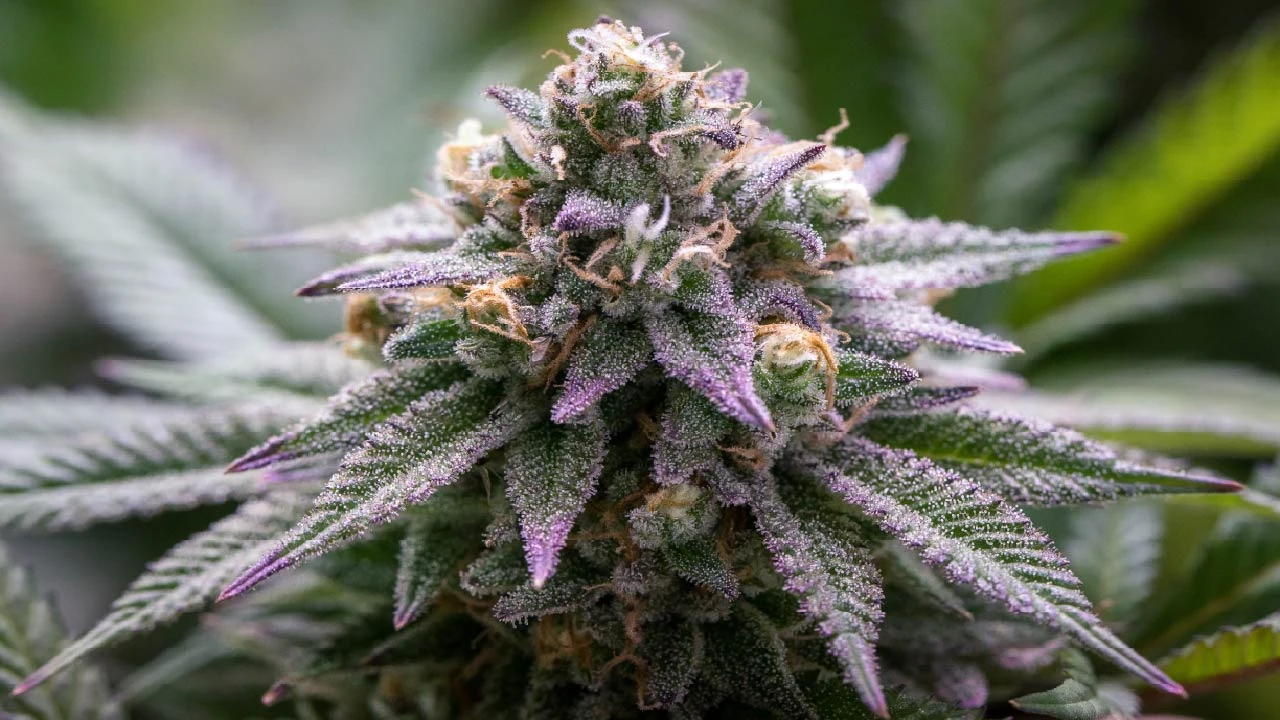
After months of dedication, the moment you've been waiting for is finally here: your cannabis plants are bursting with thick, sticky buds that fill the air with an intoxicating aroma. But the real thrill lies ahead. Timing the perfect harvest unlocks the most powerful, flavorful, and exhilarating effects possible. Are your buds ready?
Timing is everything when it comes to growing and harvesting cannabis. Harvest time is every grower's favorite date on the calendar. Harvest time can greatly impact the potency and effects of your weed, so it's crucial to harvest your buds at the right time. Harvest too soon, and you lose potency, smell, density, and cannabis yields. Harvest too late, and you can end up making heavier, more sedative yields. The goal is to find the right harvest window when the flowers reach the maturity level you're aiming for.
But how do you know when a cannabis plant is mature and harvest-ready? The good news is that your plant is constantly sending you signals. You just need to know where to look and what those signals mean. Here we discuss key signs experienced growers use to identify their ideal harvest window, from simple visual checks to more detailed trichome inspection.
Why Timing Matters in Cannabis Harvesting
Cannabis harvest timing controls:
- Potency: how strong the final product feels
- Effect profile: energetic and cerebral or heavy and relaxing
- Flavor and aroma: bright and citrusy or deep and musky
- Yield and bud density: buds continue to swell late in flower
- Overall bag appeal: color, trichome coverage, and smell
When it comes to harvest timing, there is no single calendar date that works for every cannabis plant. Seed suppliers may provide an approximate flowering period, but that number is not a guaranteed harvest date. Genetics, light exposure, temperature, plant health, growing environment, and flowering conditions can all affect development.
The best approach is to use the expected flowering period as your starting window, then inspect the plant regularly as it approaches maturity.
The Main Signs Your Cannabis Is Ready to Harvest
There's no single sign that guarantees a plant is ready to harvest. Experienced growers look at several indicators together before deciding the timing is right. Here are the key signs to watch for.
1. Trichome Color and Clarity
If you only trust one method, make it this one. The best way to know your weed plants are harvest-ready is to check their trichomes with a microscope or jeweler's loupe. Trichomes are the resinous glands that produce cannabinoids and terpenes, and their color tells you almost everything about maturity.
Using a jeweler's loupe, a handheld microscope, or a digital USB microscope, examine the trichomes on your buds, focusing on the ones closest to the calyxes rather than the sugar leaves.
Here is what each trichome color shows.
- Clear trichomes: It is too early to harvest yet. THC production hasn't peaked yet. Harvesting now yields low potency and a speedy, often unpleasant high.
- Milky or cloudy white trichomes: THC levels are at or near their peak. This is when most growers harvest for a more uplifting, energetic effect.
- Amber trichomes: A higher amber trichome percentage produces a more mature, heavier, more sedative effect.
Most growers aim for a mix of 70-90% milky trichomes and 10-30% amber, depending on the desired effect.
2. Pistil Color and Curling
You might remember the white hairs that started producing from your cannabis plants' flowers when they began flowering. These are called pistils, and they are the sex organs of female cannabis plants. Pistils are the hair-like strands (orange, red, or pink) sticking out of the buds. They're an easy first check that doesn't require any tools.
- White, straight pistils: The plant is still developing and not ready.
- 50-70% darkened, curling pistils: Harvest window is approaching.
- 70-90% darkened and curled inward: Considered ready to harvest.
Remember, pistil color can be wrong. Environmental stress, light spectrum, and genetics can all cause pistils to darken prematurely. Always pair this check with a trichome inspection.
3. Calyx Swelling and Bud Density
Calyxes are the bulbs that house the plant's reproductive parts. As harvest approaches, calyxes swell and stack tightly together, creating denser, heavier buds.
If your colas still look thin, wispy, or loosely formed, they likely need more time. Once they look nice and plump and show fiery orange pistils, take out your microscope and inspect your plant's trichomes for final confirmation that it is indeed harvest time.
4. Fan Leaf Yellowing
Toward the end of the flowering stage, it's normal and expected for fan leaves to yellow and start dying off. In healthy maturing plants, you'll see older leaves towards the bottom start to turn yellow first. This happens because the plant redirects its remaining nutrients toward bud development.
This shouldn't be your primary harvest indicator, but it's a helpful sign when combined with trichome and pistil checks.
5. Strain-Specific Flowering Time
Different strains have different flowering timelines, which are usually provided by the breeder or seed bank. This gives you a rough estimate of when to start inspecting closely.
- Indicas: Typically take 8–9 weeks to flower
- Sativas: Often take 10–14 weeks or sometimes longer
- Autoflowers: Usually ready 8–10 weeks from seed, but this varies widely by genetics
Cannabis: What's better, Seed or Clones?
Use Multiple Signs to Confirm Your Cannabis Is Ready to Harvest
The strongest approach is to combine several indicators instead of relying on one.
Check these signs together.
- Flowering time: The plant should have reached, or be approaching, its expected flowering window.
- Trichomes: Most have moved beyond the clear stage, with the maturity pattern appropriate for your intended harvest.
- Pistils: A substantial portion has darkened and curled inward.
- Flower development: Buds appear swollen and fully developed.
- Resin: Trichomes are noticeable across the flowers.
- Plant maturity: The plant looks like it has completed most of its flowering development.
- Environmental conditions: There are no obvious signs of disease, mold, or severe stress that require immediate attention.
Tools You Need to Check Cannabis for Harvest
Use the right tools to truly master when to harvest cannabis.
- Jeweler's Loupe (30x-60x): Inexpensive, portable, and effective for examining trichomes
- USB Digital Microscope: For a more precise and detailed view
- Handheld Magnifying Microscope with built-in LED light: A step up from a loupe and easier for shaky hands or dim grow tents
- Smartphone: Macro lens in most smartphones give precise, clear images
Essential Equipment You'll Need to Grow Cannabis
What Happens If You Harvest Buds Too Early or Late?
- Harvesting too early: Less THC, underdeveloped flavor, lower potency, incomplete resin development, harsh smoke.
- Harvesting too late: Increased CBN, diminished THC, more sedative effects, overly sleepy effects, degraded flavor and aroma.
- Harvesting at peak (mostly milky, a touch of amber): Balanced effects, full flavor and terpene expression, strong overall potency.
What Is the Best Time of Day to Harvest Cannabis?
The exact harvest time within a day matters less than correctly identifying plant maturity and handling the harvest cleanly and appropriately.
For outdoor growers, weather is an important consideration. If flowers are wet from rain or heavy dew, harvesting conditions may be less favorable because excess surface moisture can complicate drying and make careful environmental control afterward even more important. The bigger concern is avoiding visibly diseased or contaminated material in the drying environment.
Indoor vs Outdoor Harvest
If you're growing indoors, you can monitor trichomes daily, adjust light cycles, and harvest at the exact moment your plant hits its ideal harvesting window.
Outdoor growers face the following things.
- Weather patterns like rain, humidity, and early frost may force an earlier harvest than planned.
- Natural light changes as fall approaches, which can accelerate ripening.
- Pest and mold pressure increases the longer buds stay on the plant.
- Photoperiod strains typically finish between late September and late October, depending on latitude and strain
Tip: If a storm or cold snap is approaching and your trichomes are mostly milky, harvest a few days early rather than risk mold or bud rot from excess moisture.
What to Do Once You've Confirmed the Harvest Time
- Check the trichomes one final time. Inspect several flowers, not just a single cola and confirm your target milky-to-amber ratio.
- Flush your plants in the final 1–2 weeks to improve flavor and smoothness.
- Plan your watering. Stop watering 24-48 hours before harvest to make trimming slightly easier, if that's your preferred method. Your plant's moisture level and your drying setup should work together.
- Harvest the plant. Cut plants either whole or branch-by-branch, depending on your growing setup and drying space.
- Remove unwanted foliage. Trim excess fan leaves and decide on a wet or dry trim, based on preference.
- Move the flowers into a suitable dry environment. Hang dry in a dark, ventilated space at 60°F-70°F and 45-55% humidity for 7-14 days.
- Cure and store carefully. Once the flowers have dried, cure in airtight jars and monitor them regularly. Open the jars daily for the first two weeks, then less frequently for 3-8 weeks total to increase flavor and smoothness.
Harvest Is Only the Beginning
Many new growers assume that the growing process ends when the plant is cut, but that's really where the next stage begins. Freshly harvested flowers still contain a lot of moisture and need careful post-harvest handling.
According to OSU Extension, freshly harvested hemp flowers can contain roughly 70-80% water and typically go through trimming, drying, curing, and storage before reaching their final condition. Poor post-harvest handling can affect flower quality. So, this part of the process deserves just as much attention as the growing stage.
Harvest is just the beginning of a longer process. Proper drying and curing can make or break all the effort you put into growing.
All About Drying and Curing Cannabis for a Best-Quality Harvest
A Simple Cannabis Harvest Timing Checklist
Before harvesting, ask yourself these questions, then decide. Before you decide to harvest, take a few minutes to look closely at the plant and ask yourself these questions. A quick checklist can help you avoid cutting too early or waiting longer than necessary.
- Is the plant within its expected flowering window?
If not, there's no need to rush.
- Have I inspected the trichomes with magnification?
If you haven't, don't rely only on pistils or the calendar. A magnifying glass or jeweler's loupe can reveal much more than the naked eye.
- Are trichomes clear, cloudy or amber?
Check several flowers and record what you're seeing.
- Are the flowers fully developed?
Look for swelling, resin development, and overall maturity.
- Have the pistils changed significantly?
Pistils should support what you're seeing through trichome inspection.
- Are there any signs of mold or disease?
Inspect dense flowers carefully. Any unusual discoloration, fuzzy growth, rotting areas, or musty smell needs attention before harvest.
- What is the weather doing?
Outdoor growers should consider upcoming rain, humidity, cold, and frost.
- Is my drying area ready?
Never leave post-harvest preparation for later. Have your workspace, equipment, and drying area prepared before you start cutting.
If the plant's flowering stage, trichomes, pistils, flower development, and growing conditions are all pointing toward maturity, you're probably getting close to the right time to harvest.
Frequently Asked Questions About Growing Cannabis
The Bottom Line
So how do you know when your cannabis is ready to harvest? Knowing when to harvest comes down to understanding your plant's signals. Cannabis is ready to harvest when multiple signs indicate that the flowers have reached the maturity you're targeting. Trust the trichomes, use the pistils and calyxes as supporting clues, and don't rush a great harvest just because the calendar says it's harvest time.
A calendar tells you when to start looking. The flowers tell you how close you are. And careful trichome inspection helps you decide whether the plant has reached the harvest window you're aiming for. Remember, you only get one shot at harvesting each plant, so take your time, trust your eyes, and enjoy the rewards of a well-timed harvest. A little patience in these final weeks is often what separates a good bud from a truly great bud.